Supported by


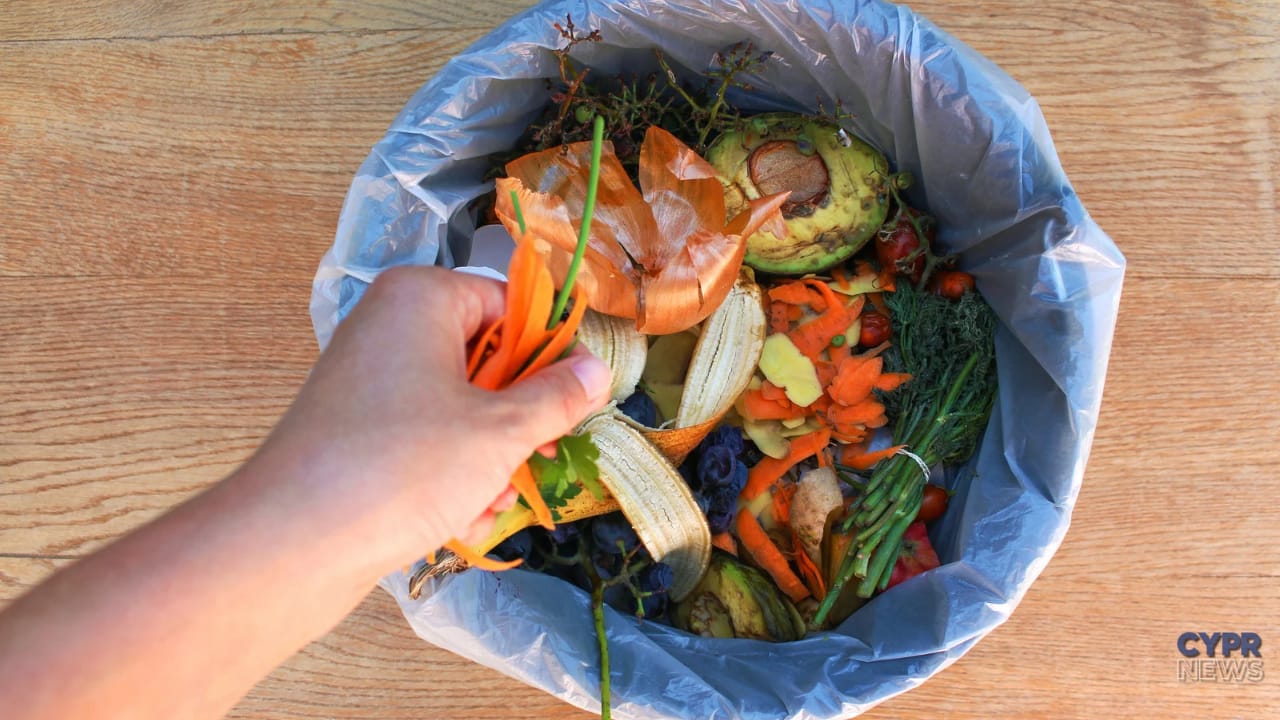
Food waste in Cyprus reached 295 kilograms per capita in 2024. This is the highest result among EU countries for which data is available for that year. The EU average was 129 kilograms, which is more than half as much.
However, the results encompass much more than food thrown away at home. Eurostat counts waste from the entire food chain: production, processing, retail, catering, and households. It also includes inedible parts of produce. This does not mean that each resident threw away 295 kg of edible food.
Households generated 78 kilograms of food waste per capita. The EU average was 69 kilograms. The difference is noticeable, but significantly smaller than the overall figure.
The greatest disparities occur in trade and distribution and primary production. In the former category, 62 kilograms per capita were recorded, compared to an EU average of 10 kilograms. In the latter, the figures were 48 and 10 kilograms, respectively.
The table below shows, at what stages was food waste generated in CyprusAll values are for 2024 and are calculated per capita.
| Source of waste | Cyprus | EU average |
|---|---|---|
| Households | 78 kg | 69 kg |
| Food and beverage production | 73 kg | 25 kg |
| Food trade and distribution | 62 kg | 10 kg |
| Primary production | 48 kg | 10 kg |
| Restaurants and food services | 34 kg | 15 kg |
| Together | 295 kg | 129 kg |
The comparison shows that households accounted for about a quarter of Cyprus' total. The remaining waste was generated by business activities. Across the EU, the proportions varied: homes generated more than half of all food waste.
This statistic includes both edible food that has been thrown away and inedible product parts. These could include bones, shells, or peelings.
Therefore, food waste data does not equate to the amount of food that could be saved in its entirety. However, it does allow us to assess the scale of waste and identify sectors that require greater attention.
The per capita calculation also requires careful interpretation. Waste from businesses and restaurants is statistically assigned to population size. Therefore, the result does not describe the contents of the average family's trash bin.
Eurostat published the summary on September 29. There is no data for 2024. Bulgaria, Germany and RomaniaCyprus therefore ranks first among the countries that reported results for this period.
When calculating the EU average, the office considered all member states. For countries without data for 2024, it used the latest available values.
In total, the EU has created 57.9 million tons of food wasteThis was 0.7 percent more than in 2023.
The most important finding from the report concerns differences between sectors. Domestic food waste in Cyprus exceeds the EU average by 9 kilograms per capita. However, a significantly larger portion of the difference in the total figure is generated by manufacturing, retail, and catering. Waste reduction therefore requires action by both households and businesses.
Sources: Eurostat, Philenews