Supported by


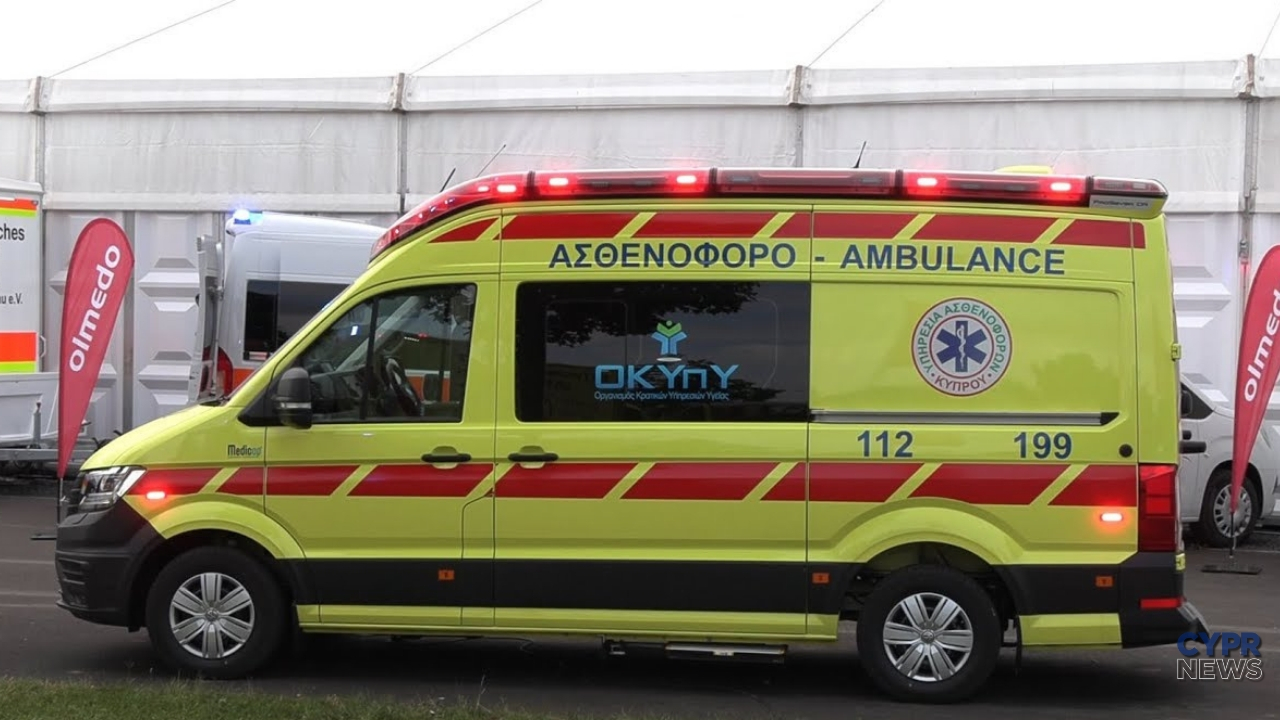
Noise-cancelling headphones, visual communication boards, and sensory aids are being deployed to front-line ambulances. This is part of a program designed to make it easier for paramedics to provide assistance to people on the autism spectrum and reduce the stress associated with interventions.
The changes also include crew training and procedures tailored to patient needs. Workshops for families are planned for November, including on what information to provide to paramedics in an emergency.
Emergency medical services often involve noise, flashing lights, the presence of unfamiliar people, and a sudden change in environment. For some people on the autism spectrum, such stimuli can be particularly challenging and complicate communication with the emergency team.
The new program aims to help tailor care to individual patients. It was developed in collaboration with the Cyprus Emergency Medical Service, Voice for Autism and SupportCY Bank of Cyprus.
The program is already in operation, and equipping all front-line ambulances with special kits is part of its implementation. This doesn't mean that every crew has the full equipment.
Announced equipment includes noise-canceling headphones, boards that support communication through images and tactile aids that can have a calming effect.
Tools should be tailored to the patient's needs. The goal is to reduce unpleasant stimuli and facilitate communication, especially when conversation in stressful situations proves difficult.
However, the kit alone is not a substitute for a proper approach. Therefore, its introduction is accompanied by preparation of rescuers to recognize individual needs and tailor the course of intervention.
Training includes ways to reduce sensory overload, alternative communication methods, and adapting patient assessment.
Exercises based on emergency scenarios were planned. People on the autism spectrum also participate in the training., who share their own experiences and explain what helps them when contacting the services.
A better understanding of the patient's reactions helps build trust and provide more efficient care. Both the equipment and the way the paramedic establishes contact and explains subsequent steps are important.
The second part of the initiative involves preparing loved ones. Workshops will be held in various parts of the island in November.
Families will learn what information to give to first aid providers and how to prepare individual profile in case of an emergency and how to support a more peaceful course of the intervention until the ambulance arrives.
This profile is intended to provide rescuers with the most important information about the person and their needs. However, it is not a requirement for receiving assistance.
The program description provided does not provide a detailed workshop schedule or registration rules.
The initiative aims to leverage the experience gained in further training for staff. The goal is to ensure that the ability to adapt care to individuals on the spectrum becomes a permanent part of emergency team training.
For the patient and their loved ones, this may mean easier communication with paramedics and less additional stress in a situation that is already difficult.
Sources: Philenews, Ministry of Health.