Supported by


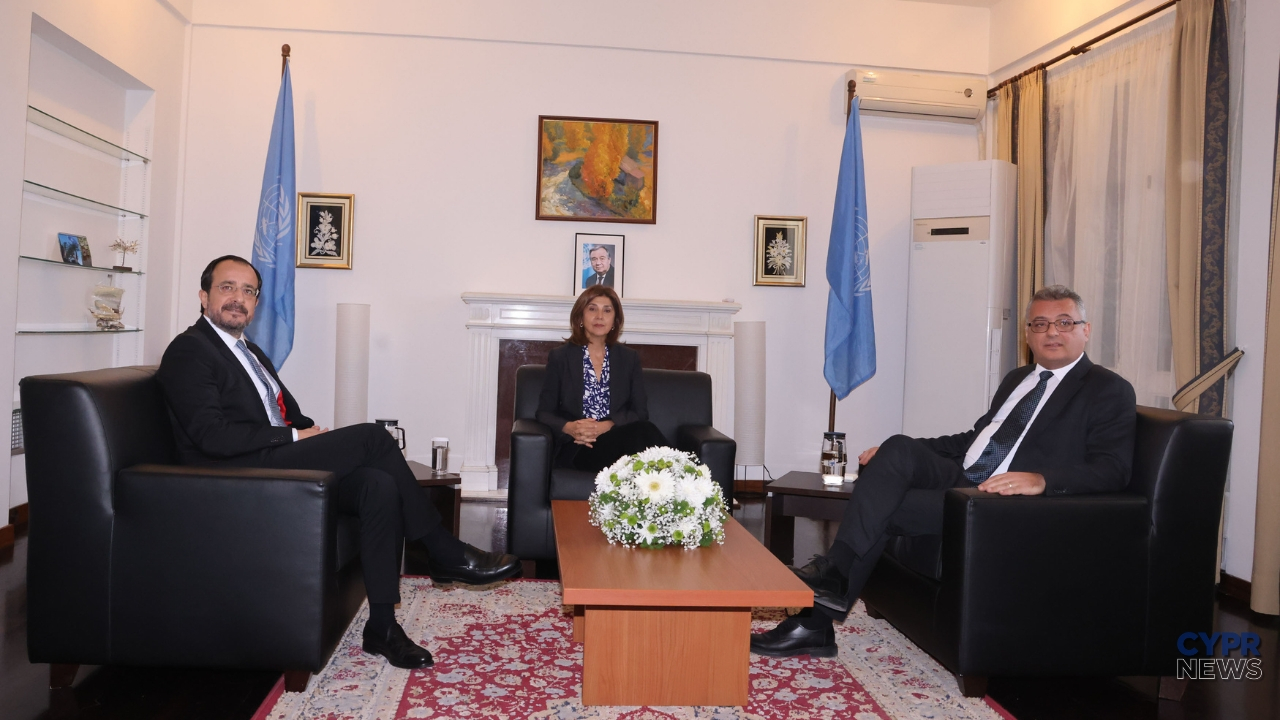
The Louroujina–Lympia and Kampos–Karavostasi crossings are scheduled to open simultaneously. This agreement was reached on Monday, November 9, by President Nikos Christodoulides and Turkish Cypriot leader Tufan Erhürman during a meeting with UN envoy María Ángela Holguín. The opening date for the crossings has not yet been announced.
Erhürman speaks of progress and an additional proposal that he believes could change the dynamic of the talks. However, disappointment is coming from Nicosia: the agreed routes will not solve the problem of queues at the capital's main traffic crossing.
The agreement covers the Louroujina–Lympia and Kampos–Karavostasi connections. Christodoulides explained after the meeting that both crossings will open on the same day once the necessary preparations are completed.
The first route will connect Turkish Cypriot Louroujina, also known as Akıncılar, with Lympia. The second will connect Kampos with Karavostasi, also known as Gemikonağı, on Morfu Bay.
| Connection | Status |
|---|---|
| Louroujina–Lympia Akıncılar–Limya |
Consent to open; no date specified |
| Kampos–Karavostasi Kambo–Gemikonağı |
Permission to open simultaneously with Louroujina–Lympia |
| Mia Milia and the Pyroi–Aglantzia connection | Further talks; no agreement on opening |
During a press conference, Erhürman presented the agreement as the result of a package of proposals he brought to the talks. He explained that he proposed four variants for the crossings.
One project envisioned a phased implementation of the connection via Pyroi and Athienou towards Geri, with the participation of both parties and EU funding at a later stage. Regarding Greek Cypriot properties along the route, he pointed to the possibility of utilizing the "real estate commission" operating in the north.
Another option involved the simultaneous opening of four passes—Pyroi, Louroujina, Mia Milia, and Karavostasi—along with resolving the issue of access to Pyli. The third involved combining the Mia Milia opening with the Kampos–Karavostasi route. Ultimately, the fourth was accepted: Louroujina–Lympia and Kampos–Karavostasi.
The remaining variants were proposals, not joint arrangements. Discussions about Mia Milia, Pyroi–Aglantzia and access to Pyli are to continue.
Erhürman linked the Pyli issue to the discussion about the Pyroi–Aglantzia link through the buffer zone. According to him, questions arose about who would intervene on such a section in the event of an accident or crime.
He argued that since the Greek Cypriot side was seeking to use the buffer zone along one route, the Turkish Cypriot side raised the issue of access to Pyli on a similar basis.
This is one of the outstanding elements of the talks. Monday's agreement on the two crossings does not resolve these disputes.
The Turkish Cypriot leader also announced a separate initiative that, in his opinion, could significantly change the course of the process. He did not reveal its content, explaining that he wanted to give Christodoulides time to reflect and leave room for diplomacy.
Erhürman said he had prepared the proposal after consultations with Ankara. He would like to discuss it during a meeting with the UN Secretary-General.
However, the assessments of both sides differ. Christodoulides stated after the talks that one of Erhürman's new proposals was unacceptable. Therefore, there is no basis for presenting this initiative as an agreed breakthrough.
Erhürman also reiterated his position on political equality and a rotating presidency. He believes that the lack of agreement on these issues contributed to the earlier negotiation stalemate.
Mehmet Harmancı, the Turkish Cypriot "mayor" of the occupied part of Nicosia, welcomed the approval of the two crossings but criticized the lack of progress on the additional road in the capital.
He pointed out that a significant portion of traffic will continue to be concentrated at the Agios Dometios crossing, known in Turkish as Metehan. He believes that the opening of the agreed-upon connections will not relieve congestion in Nicosia and its surrounding areas.
He particularly emphasized the importance of the Mia Milia, or Haspolat, crossing, which could benefit both communities. He said that leaders were expected to adopt bolder and more lasting solutions.
Hours-long queues not only mean traffic disruptions, but also limit the daily contacts, work, and social lives of residents on both sides of the Green Line.
Leaders also agreed to revive the Imagine cross-community education program. It will operate under the auspices of the technical committee on education.
Other arrangements include the exchange of archival materials, further environmental projects, and the creation of a rapid response mechanism for emergency situations. The renovation of selected Maronite churches and an Armenian monastery was also announced.
Erhürman also listed his own proposals regarding military cooperation, mine clearance, and the EduBites educational program. However, not all of them were included in the official list of joint arrangements.
The next step is a meeting between the two leaders and António Guterres in the coming weeks. Discussions will focus on the remaining crossings, the conduct of negotiations, and the fundamental issues of the Cyprus problem.
Sources: UN Good Offices Mission in Cyprus, Cyprus Mail, Philenews, Giynik.