Supported by


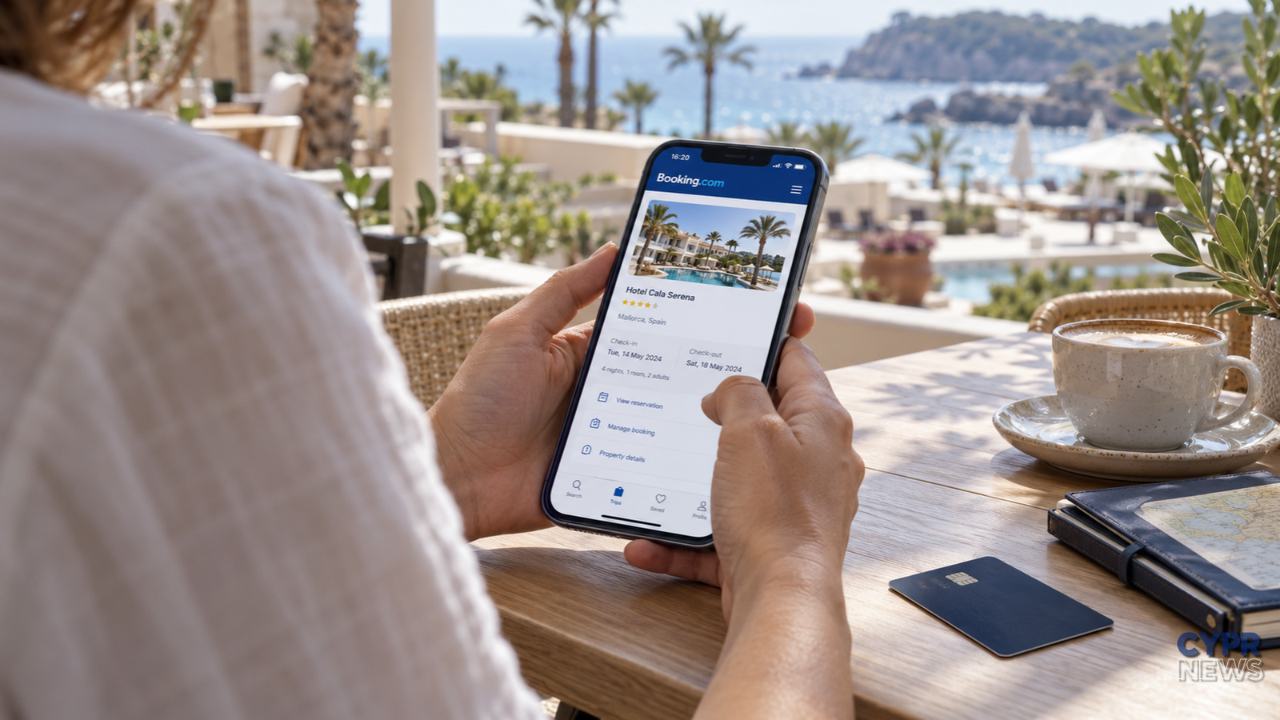
Booking.com fraud is under scrutiny by the European Commission. On Wednesday, October 21, it launched a formal investigation to determine whether the platform adequately mitigates the risks associated with fraudulent accommodation offers and fraudulent activity. The review will also cover the labeling of paid promotions in search results.
The case also affects people booking holidays in Cyprus. The island has previously been warned about messages using fake booking details and urging additional payments. However, the mere launch of the investigation does not necessarily mean that Booking.com has violated the law.
The investigation concerns obligations under the Digital Services Act (DSA). The Commission will examine how the platform identifies threats and protects users from unfair offers.
One of the issues being investigated is fraudulent accommodation listings. Customers may pay for a stay at a property that doesn't exist or is advertised by someone impersonating the owner.
The second area is phishing, which exploits guest and reservation information. Scammers attempt to convince travelers that they are contacting them about a legitimate travel-related matter.
The Commission will also examine the transparency of search results. This will include whether offers paid for by providers to be ranked higher are clearly recognizable as advertisements.
Knowing the name of the hotel, dates of stay or price does not guarantee that the message comes from an authorized person.
Booking.com warns of fraudulent attempts in which the sender provides convincing travel details and then requests payment details again. The excuse is often to maintain the reservation.
Messages may arrive via WhatsApp, email, or phone. Particularly concerning are the time pressure and threats of cancellation if we don't comply immediately.
Your booking confirmation should be your reference point. This is where you should check the terms and conditions for prepayment, collection, and any additional fees.
On April 19, the Cyprus Mail reported on a warning from the Cyprus Consumers' Association. According to a representative, approximately 15 complaints about fraud involving the popular accommodation booking platform were registered over the past three to four days.
The messages used logos and customer data, including information about their stay. Recipients were asked to pay approximately €100, supposedly to confirm their reservation.
Some people paid. However, the money didn't reach the official platform and wasn't recognized as valid payment for accommodation.
This warning dates back to April. It does not indicate a new wave of reports in October, and the organization did not name the site in the quoted statement.
Instead of opening the link in the message, you should launch the app or visit the website yourself. Then, check your reservation and contact customer service.
Booking.com emphasizes that it does not request card details via email, phone, text message, or WhatsApp. It also warns against transfers that violate the payment policies listed in the booking confirmation.
Not every prepayment constitutes fraud. What matters is whether it was previously stipulated in the booking conditions and whether the request comes from a credible source.
If you've entered your payment details on a suspicious form, contact your bank or payment provider as soon as possible. Report the possible fraud and discuss ways to secure your card.
It's also worth reporting the matter to the platform. If you've disclosed your account password, you should change it and enable two-factor authentication.
Regardless of the outcome of the EU investigation, an unexpected request for an urgent payment requires verification before payment. Authentic booking details may be part of a scam, rather than evidence of the sender's credibility.
Sources: European Commission, Cyprus Mail, Booking.com. Main photo: AI.