Skip to content
Supported by


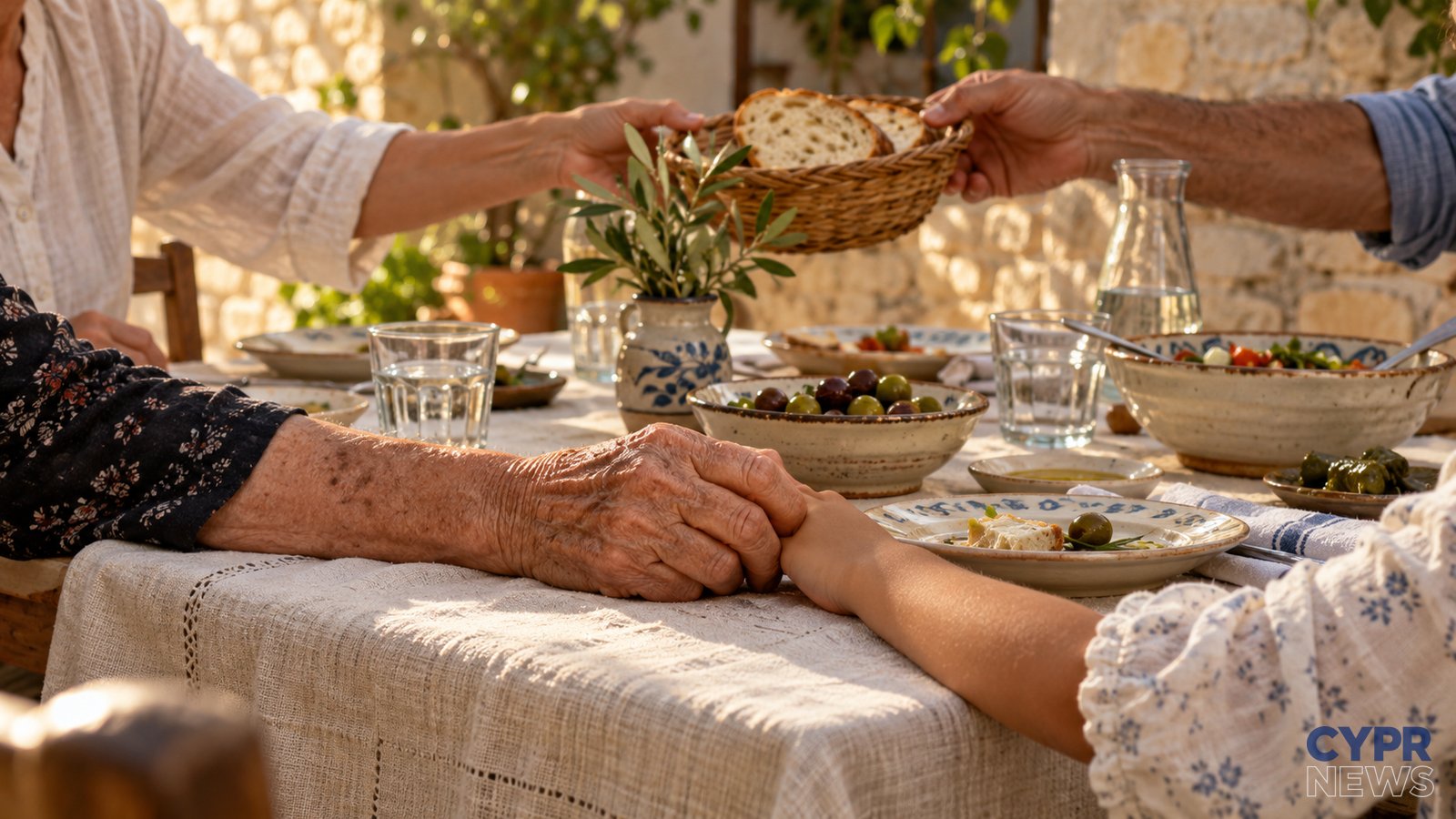
In Cyprus, koumbaros can mean a wedding witness, a person of importance in an Orthodox ceremony, or a godparent in relation to a child's parents. Therefore, the Polish word "witness" isn't always sufficient to explain who a godparent is to the family.
There are more such traps. Koumera doesn't have to be a relative, nouna is a godmother, and nifi can mean both a bride and a daughter-in-law. In a family conversation, meaning depends not only on the words but also on who is speaking and about whom.
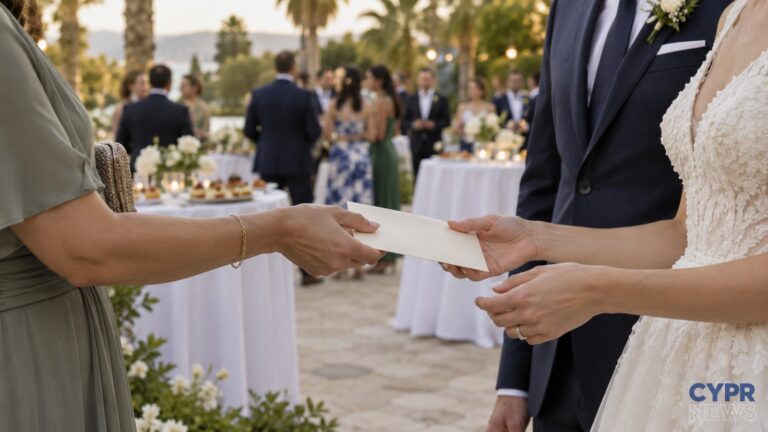
During an Orthodox wedding koumbaros He participates in rituals, including the exchange of wedding crowns over the heads of the newlyweds. His role is religious and social, not solely organizational.
The closest Polish analogy is a witness, but it's not entirely accurate. In Greek Cypriot tradition, attending a wedding can create a lasting bond between individuals and their families.
At the same time, the same word is also used to refer to a witness at a civil marriage. Therefore, not every use denotes the same religious function.
The easiest thing to remember is that koumbaros describes a role or relationship. Only the context clarifies which one is meant.
In standard Greek we find the word koumbaraIn Cyprus we will also hear the local form koumera.
During a wedding, she can be compared to a maid of honor. In the context of baptism, the term can describe a godmother in relation to the child's parents.
Reciprocity is important. Parents may refer to their child's godmother as "our godmother," even though they are not her godchild.
Similarly, the relationship formed at marriage doesn't end when you leave the church. A name can remain in everyday use throughout life.
For a child, a godmother is noun, and the godfather — nounos. You can also find records none and nonos. In Cypriot tradition there is also a term dads for godfather.
The same person can therefore be for the child noun, and for his parents coumer.
In Poland, we usually simply say "our child's godmother." Greek also has a convenient term for the bond between adults.
A godparent's role is primarily religious. Gifts, christening clothes, and holiday presents are all part of family customs, and their scope doesn't have to be the same everywhere.
In traditional families, both functions were often combined.
Ancient Cypriot customs stipulated that the first child was baptized koumbaros pairs, and the next koumeraAlternating between taking on this role with subsequent children has also been described.
However, this is not an automatic rule for every modern family. Choosing a godparent requires separate arrangements and meeting religious requirements.
Therefore, it should not be assumed that accepting a function at a wedding means that the baptism of the future child has already been agreed upon.
Greek vaftistiri means godson or goddaughter. There are also forms vaftisimios and vaftisimia.
In Cypriot descriptions of ancient customs, however, kaladerfi — a definition of the spiritual sibling relationship established through baptism.
This is an important distinction. Kaladerfi is not simply a substitute for "godson." It refers to the bond between children, for example, a baptized child and the children of their godparents.
Historically, similar relationships were extended more broadly to siblings and entire families. However, every traditional name should not be considered a description of biological kinship.
Let's imagine that Maria marries Andreas.
Andreas's father is for Maria petheros, i.e. father-in-law. Andreas's mother is her pether - mother-in-law.
But Maria's father and Andreas' father are against each other sympetheroi. The singular masculine form is sympetheros, and the female one — sympethera.
In Polish, there are equivalents of "swat" and "swatowa," though they may require explanation. Here, they refer to the spouses' parents, not the people who introduced the couple.
Gambros means groom, but also son-in-law. It can also refer to one's sister's husband.
Nifi is the bride, and in family relationships also the daughter-in-law or brother's wife.
If the parents say that they will come gambros, this doesn't necessarily mean another wedding. They may be expecting a son-in-law who has been in the family for twenty years.
Same nifi does not cease to be used after the wedding is over. The context indicates whether it refers to the bride or to a woman who entered the family through marriage.
Theia means aunt, and theios — uncle or aunt. These words can also be used to refer to the spouses of the relevant relatives.
In family conversation, similar phrases are sometimes used to address close relatives who are not related to the child. The Polish "auntie," who is a friend of the mother, works similarly.
Therefore, presenting someone as Theia Maria is not enough to draw a family tree.
On the other hand anipsios is a nephew or niece, and anipsia — niece or nephew. Cousin and cousin are xiadelphus and ksadelfiThese two groups should not be confused.
| Term | The closest meaning in Polish |
|---|---|
| Koumbaros | A witness or participant in a wedding ceremony; also a godparent in relation to the child's parents. |
| Koumera / koumbara | Witness; also godmother in relation to the child's parents. |
| Nounos / tatas | Godfather. |
| Nouna | Godmother. |
| Vaftistiri | Godson or goddaughter. |
| Petheros / pethera | Father-in-law / mother-in-law. |
| Sympetheros / sympethera | Parents of spouses towards each other - matchmaker / matchmaker. |
| Gambros | Groom, son-in-law or sister's husband. |
| Nifi | Bride, daughter-in-law or brother's wife. |
| Theios / theia | Uncle, paternal uncle/aunt; sometimes also a familiar person called by a child. |
| Anipsios / anipsia | Nephew or nephew / niece or nephew. |
| Xadelphos / ksadelfi | Cousin. |
| Pappous / yiayia | Grandpa / Grandma. |
Latin spellings vary. Many words also belong to General Greek, not just to the Cypriot dialect.
Not every heard koumbare informs about a wedding or baptism.
The word also functions as a colloquial address to an interlocutor. Depending on the tone, it can resemble the Polish "mate," "stary," or "czułowiu."
Just as "boss" doesn't have to mean talking to a superior, koumbare does not always indicate an actual ceremonial bond.
Return re koumbare However, it is familiar. It is not worth treating it as a universal, polite equivalent of the Polish "please sir."
The names of wedding customs also appear in conversations about family. Zosimo means tying the bride and groom with a red scarf, and ploumisma — giving gifts, associated, among other things, with pinning banknotes during a wedding dance.
These are the names of activities and rituals, not family members.
The same woman can be for the child noun, for his parents coumer, and for her own husband simply a wife.
This doesn't mean three different functions performed during a single ceremony. The words present the relationship from the perspective of a specific interlocutor.
Many of these bonds also have parallels in Polish tradition. Cypriot nomenclature, however, helps to more clearly name not only relatives but also people incorporated into the family circle through marriage and baptism.