Supported by


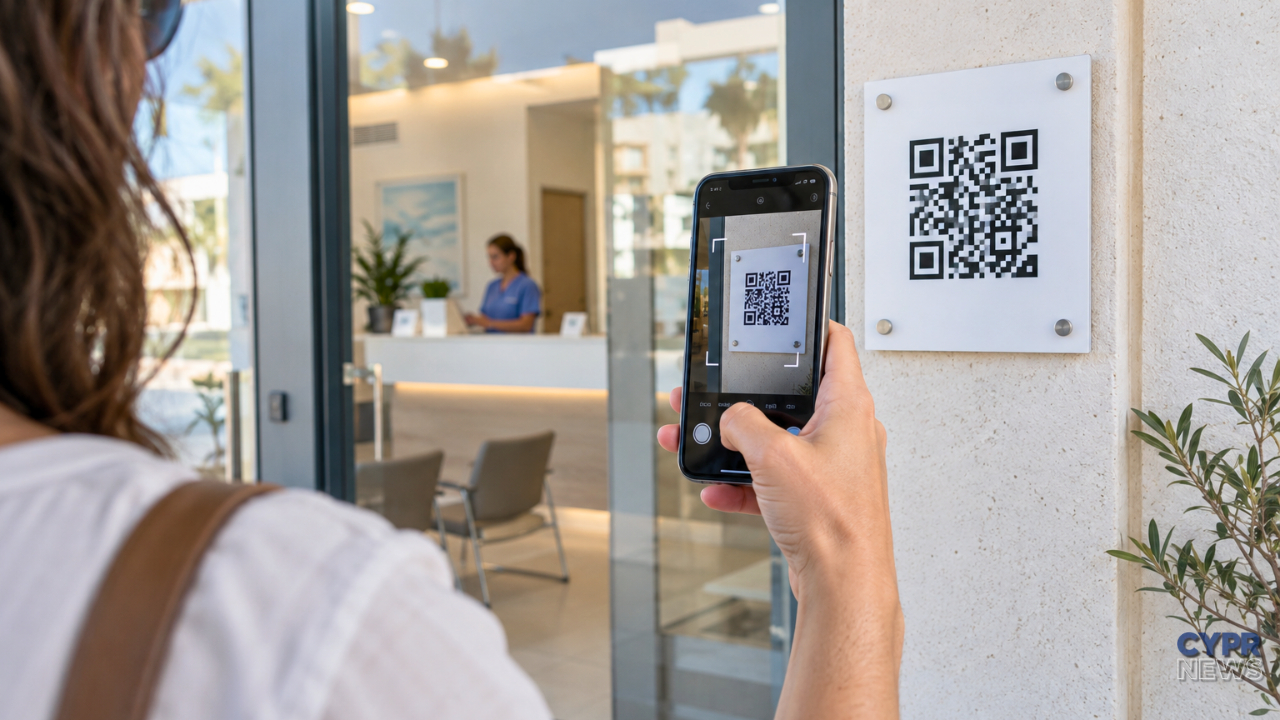
Private hospitals, clinics, and beauty salons in Cyprus would be required to display QR codes to verify their licenses and the scope of permitted services. The bill was submitted by DIKO MP Adamos Aspris. The proposal has been submitted to the Parliamentary Health Committee and is not yet law.
After scanning the code, the patient or client would see the permit number, the relevant supervisory authority and a list of services that the facility can provide. The code would be available at the entrance, at the reception and on the website. The aim is to limit situations in which an advertisement or the name of an object suggests broader rights than those resulting from its authorisation.
The project responds to a specific problem: simply having a business permit does not mean that the facility can perform every advertised procedure.
The patient should be able to check not only the legality of the facility's operation, but also whether the selected service falls within the scope of his or her rights.
The author of the proposal emphasizes the importance of such information in the case of activities which, if performed without the required permits, may affect the health and safety of customers.
The QR code would facilitate access to this data before entering the facility. It would not replace the permit itself—it would simply lead to information about its scope.
The project lists five categories of service providers:
The proposal, therefore, does not apply solely to hospital treatment. It also includes facilities offering examinations, rehabilitation, and beauty services.
This is especially important where the client may have difficulty distinguishing between a cosmetic treatment and an activity requiring medical qualifications.
The code would lead to a page with a uniform layout, featuring black text on a white background. The project includes, among other things:
The most important element is to provide a clear indication, what a given facility actually has the right to doA general assurance of licensing would not be sufficient without specifying the services provided.
The page opened by the code could not contain advertisements, promotional offers or commercial messages.
This would separate information about the license and scope of activity from materials encouraging purchases. The project allows for the inclusion of a logo, but does not envisage using this website as another sales channel.
The data would need to be available in Greek. A faithful English translation could also be added, but the English version would not be mandatory.
For Polish residents and tourists, this means that the availability of information in an understandable language would depend partly on the decision of the service provider.
The proposed requirement includes three places for the code to be published: the exterior of the facility or main entrance, the main reception area and the official website.
The code at the entrance should be placed so that it can be scanned before entering.
Compliance with the rules would be monitored by the body responsible for a given category of activity, for example the authority supervising private hospitals or the council responsible for the registration of beauticians.
First, the bill must be considered and passed. Simply referring it to the Health Committee does not constitute an obligation.
If the law is adopted and published in the Official Gazette of the Republic of Cyprus, the competent authorities would have to inform service providers of the new rules within three months.
The project also provides six-month adjustment period for existing facilitiesThe preparation and posting of the codes would be at their expense.
For now, there is no basis to treat the lack of such a code as a violation of the new obligation. The proposal is intended to create an additional method for verifying permits before a visit or procedure.
Sources: Philenews, Adamos Aspris bill.