Supported by


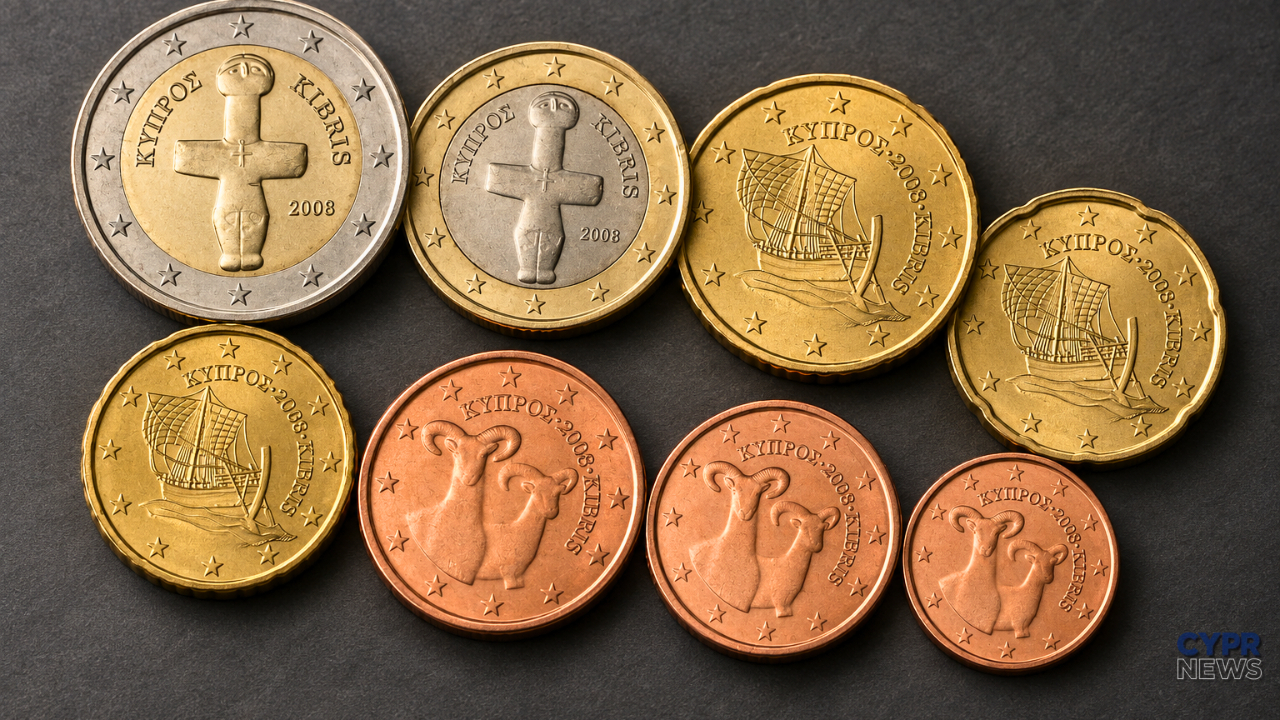
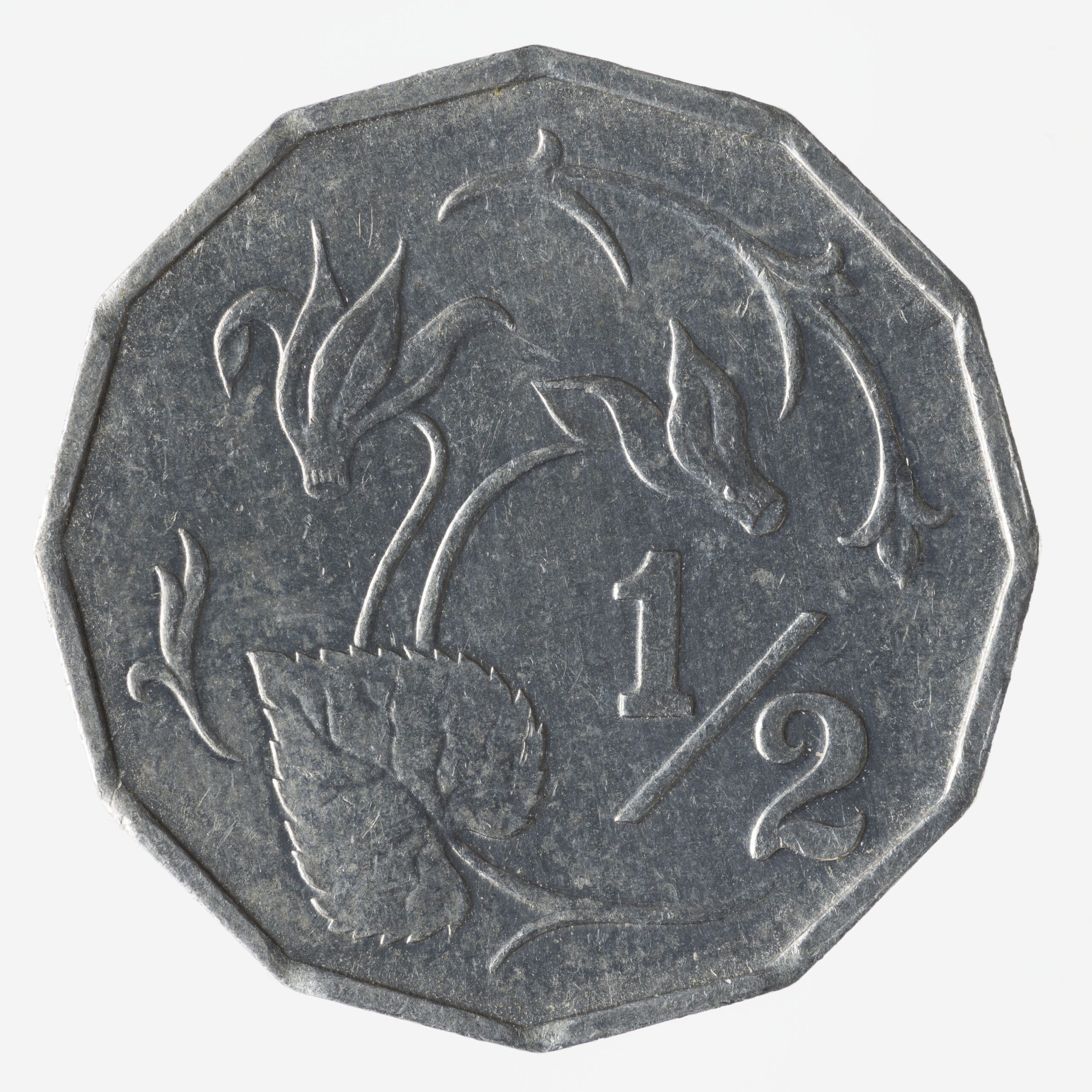
Before the euro arrived in Cyprus, residents paid with Cypriot pounds. The highest denomination in the last series of banknotes was 20 pounds, and wallets also carried one-pound notes. Even before that, a coin worth just half a cent had entered circulation.
The euro replaced the Cypriot pound January 1, 2008The old coins became souvenirs and collectors' items, but Cypriot symbols remained on the new coins. The Central Bank of Cyprus also issues commemorative and collector issues – in 2026, the Cypriot Presidency of the EU Council was commemorated with coins in denominations of 2 and 5 euros.
The Cypriot pound had an international code CYPIn Greek nomenclature it appeared as lyre, which is why the former currency can also be found under the name "Cypriot lira".
It should not be confused with the Turkish lira or identified with the British pound. Before joining the eurozone, the Republic of Cyprus had its own currency, issued by the Central Bank of Cyprus.
Its auxiliary units also changed. Before the 1983 reform, one pound was divided into 1000 milesIn October of that year, cents were introduced and since then one pound was equivalent to 100 cents.
Therefore, older Cypriot money may have denominations that look unusual today, for example 25 mil or 250 mil.
The last series of Cypriot banknotes included four denominations: 1, 5, 10 and 20 pounds.
The ten pound note was introduced in 1977 and the twenty pound note only in 1992. 20 pounds was the highest denomination banknote before the changeover to the euro.
This does not mean, however, that it was equivalent to today's 20 euros. At the official exchange rate, its value was approximately 34.17 eurosThis is a nominal conversion at the time of the currency change, not a comparison of past and present purchasing power.
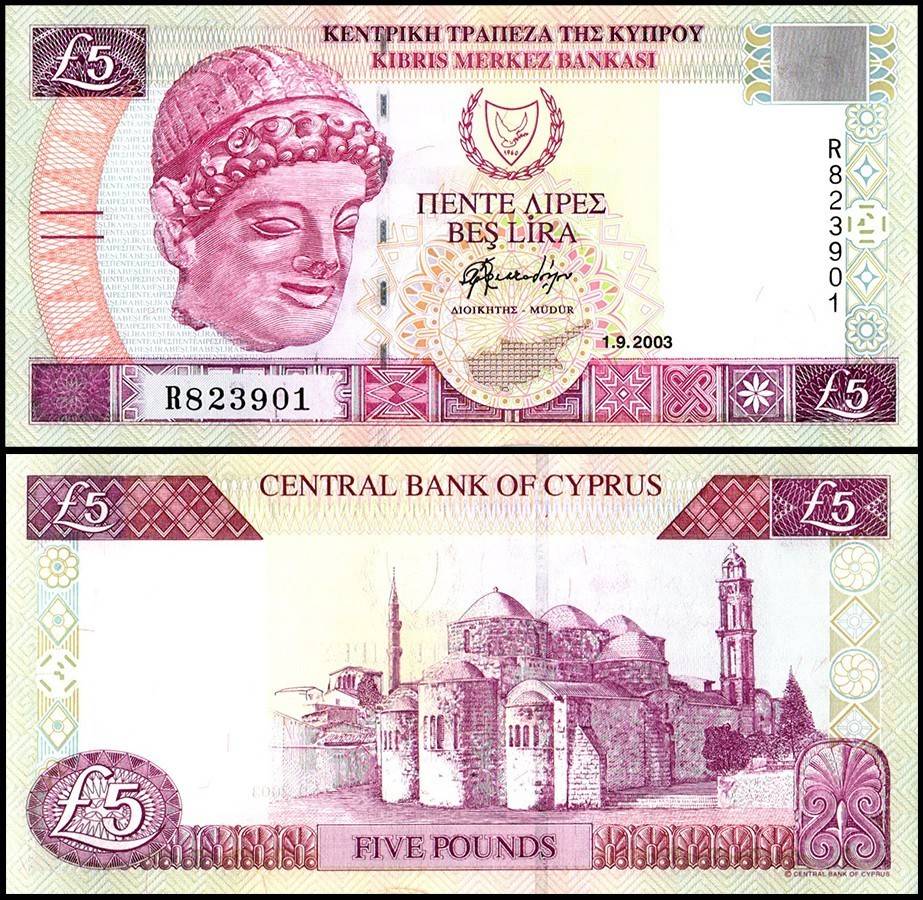
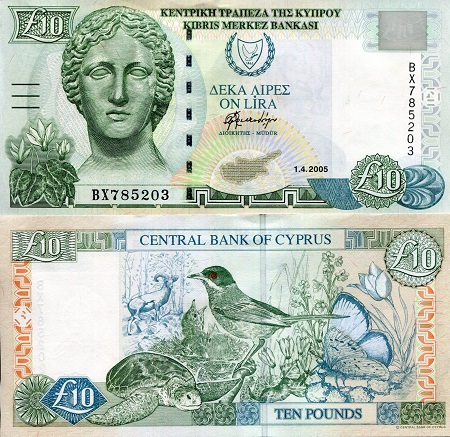
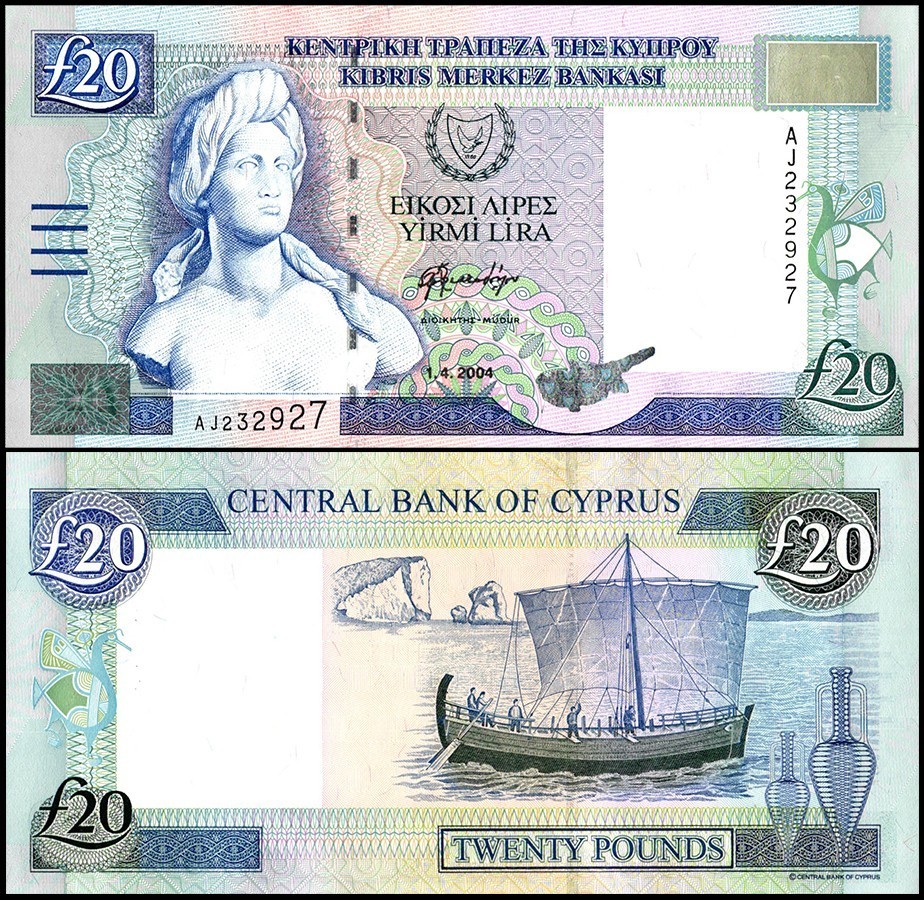
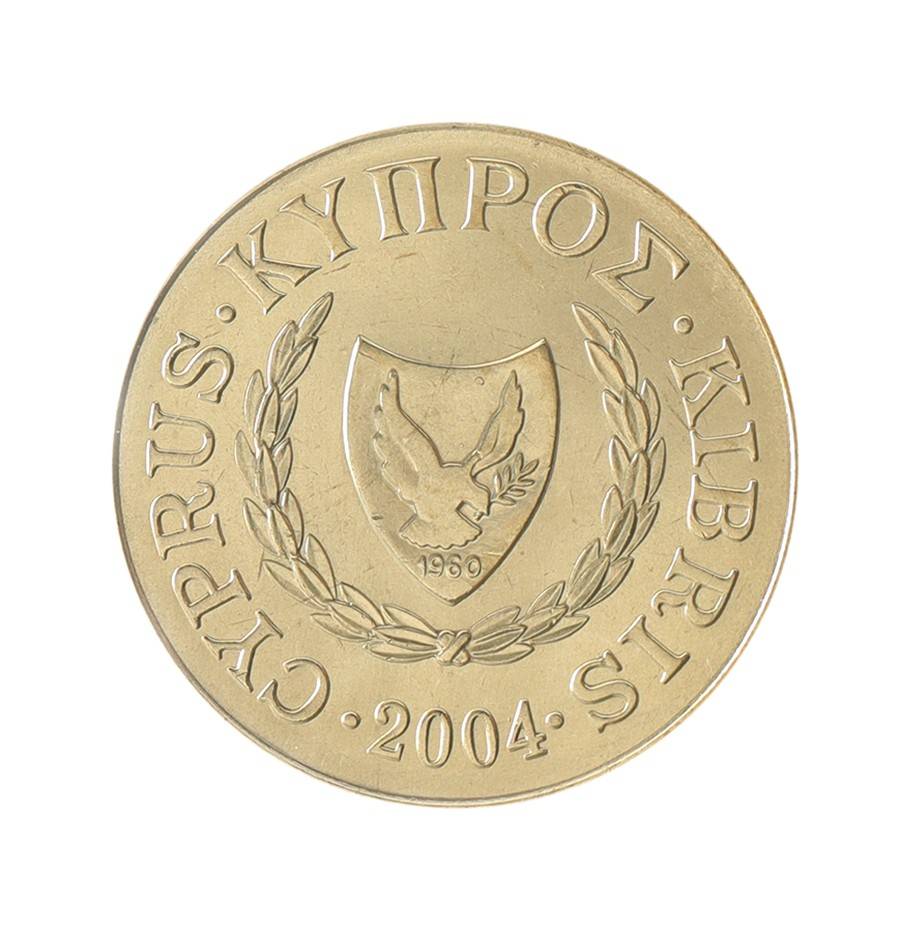
After the introduction of cents in 1983, coins with values of ½, 1, 2, 5, 10 and 20 centsIn 1991, they were joined by a fifty-cent coin.
The most surprising thing today half a centThis coin was indeed legal tender. It ceased to be so in 1992, long before the introduction of the euro.
Ancient Cypriot cents should not be confused with modern euro cents. They belonged to a different currency, despite their similar names and some denominations.
The euro was introduced January 1, 2008, at an irrevocably fixed rate:
1 euro = 0.585274 Cypriot pounds.
One pound was therefore equivalent to approximately 1.71 eurosThe full official exchange rate should be used for conversions and the result should then be rounded appropriately.
The currency change required converting not only cash but also accounts payable, wages, prices, and liabilities. A larger number of euros after conversion did not in itself mean an increase in the value of the money.
Throughout January, both currencies circulated in parallel. February 1, 2008 The Cypriot pound ceased to be legal tender.
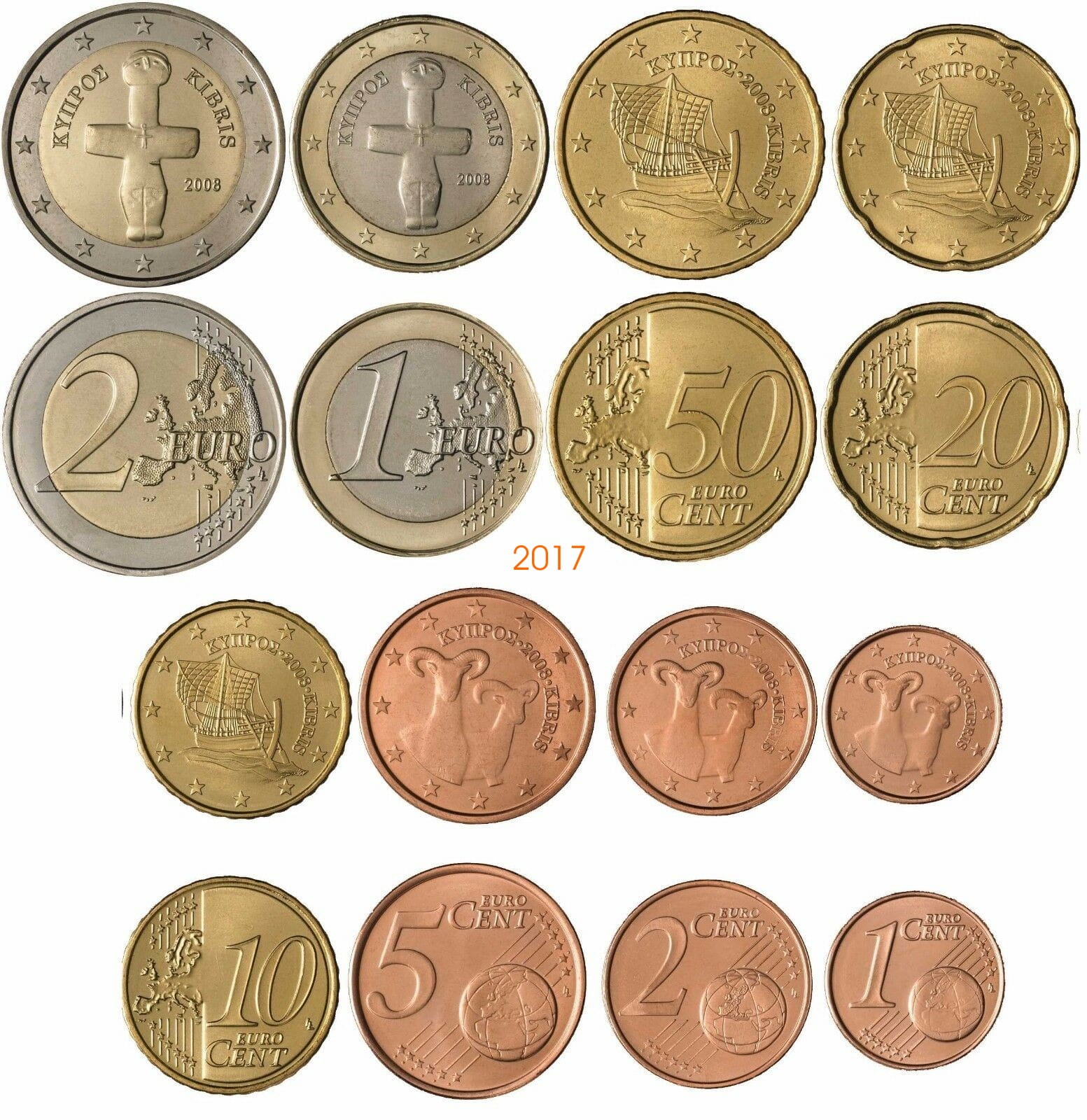
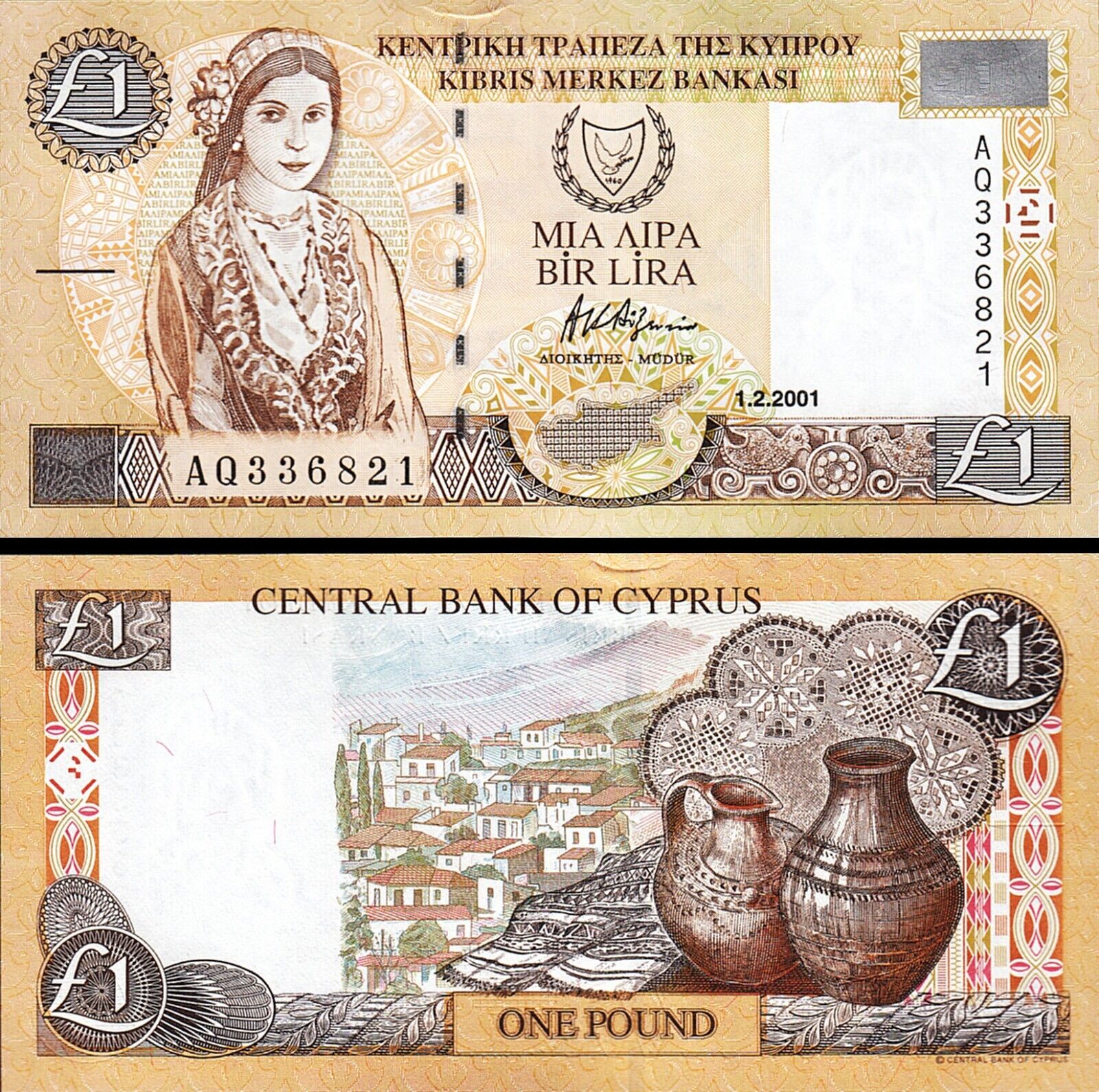
The euro replaced the national currency, but Cypriot symbols remained on the coins. Each denomination has a common European side and a national side.
Three motifs are depicted on the basic Cypriot circulation coins:
The Kyrenia Ship dates back to the 4th century BC. The figurine motif on one- and two-euro coins dates back even further—to around 3000 BC.
Cypriot euro circulation coins can also be used in other eurozone countries. The national pattern does not limit their use to the island.
The Central Bank of Cyprus also issues coins commemorating important events and anniversaries. It is a separate institution from the commercial Bank of Cyprus.
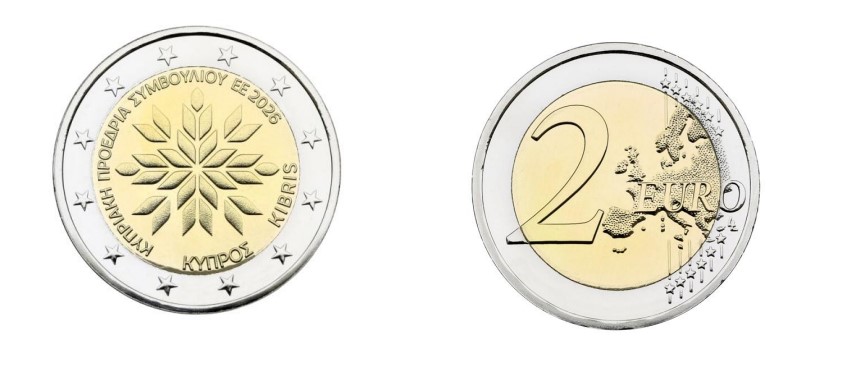
An example is 2-euro coin issued on the occasion of the Cypriot Presidency of the Council of the European Union in the first half of 2026.
The national page featured the Presidency logo, a commemorative inscription, and the name of Cyprus in Greek and Turkish. The total circulation was 275 thousand pieces.
This is a circulation coin, so it can be used in the same way as a regular 2-euro coin. Some of the mintage has been specially finished and packaged for collectors.
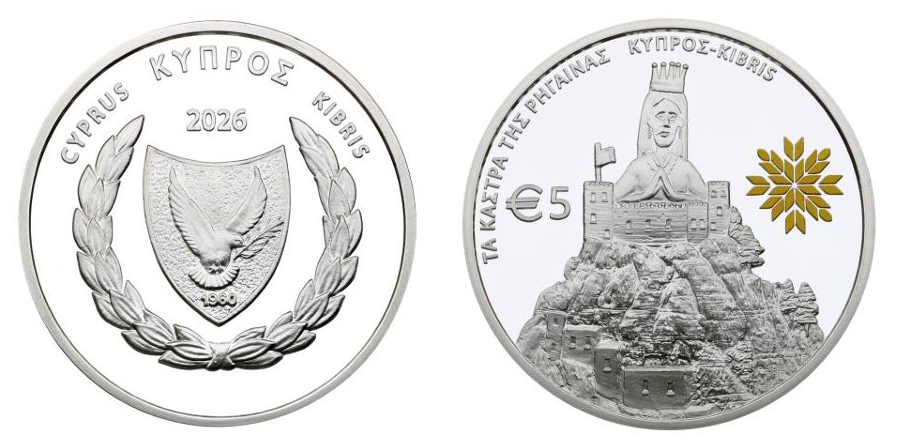
On the same occasion, the Central Bank of Cyprus also issued silver collector's coin with a face value of 5 euros, titled "The Castles of Rigaina".
The design references the Cypriot legend of Rigaina, depicting her gazing at her castles, with the logo of the Cypriot Presidency next to it.
The coin is made of 925 silver, in quality proof, i.e. with a special finish intended for collectors. The mintage was limited to 2000 pieces.
It is important to distinguish the face value from the purchase price. Although the coin bears 5 euro, the issue price was set at 65 euros including VATThis is the price given at the time of issue, and does not reflect its current availability or value on the collectors' market.
The Central Bank of Cyprus no longer exchanges old pounds for euros. The deadline for exchanging coins was December 31, 2009, and for exchanging banknotes was December 31, 2017.
Therefore, a twenty-pound note found in a drawer does not entitle you to a payment of the equivalent of 34.17 euros today.
However, it can have collector's value. This depends on factors such as the vintage, variety, condition, and buyer interest. The age of a coin alone doesn't determine its high price.
For those who remember Cyprus from before 2008, the old pounds and cents are also a reminder of everyday life – the times when purchases were made with a one-pound note and the largest paper denomination was 20 pounds.
Sources: Central Bank of Cyprus, European Central Bank.