Supported by


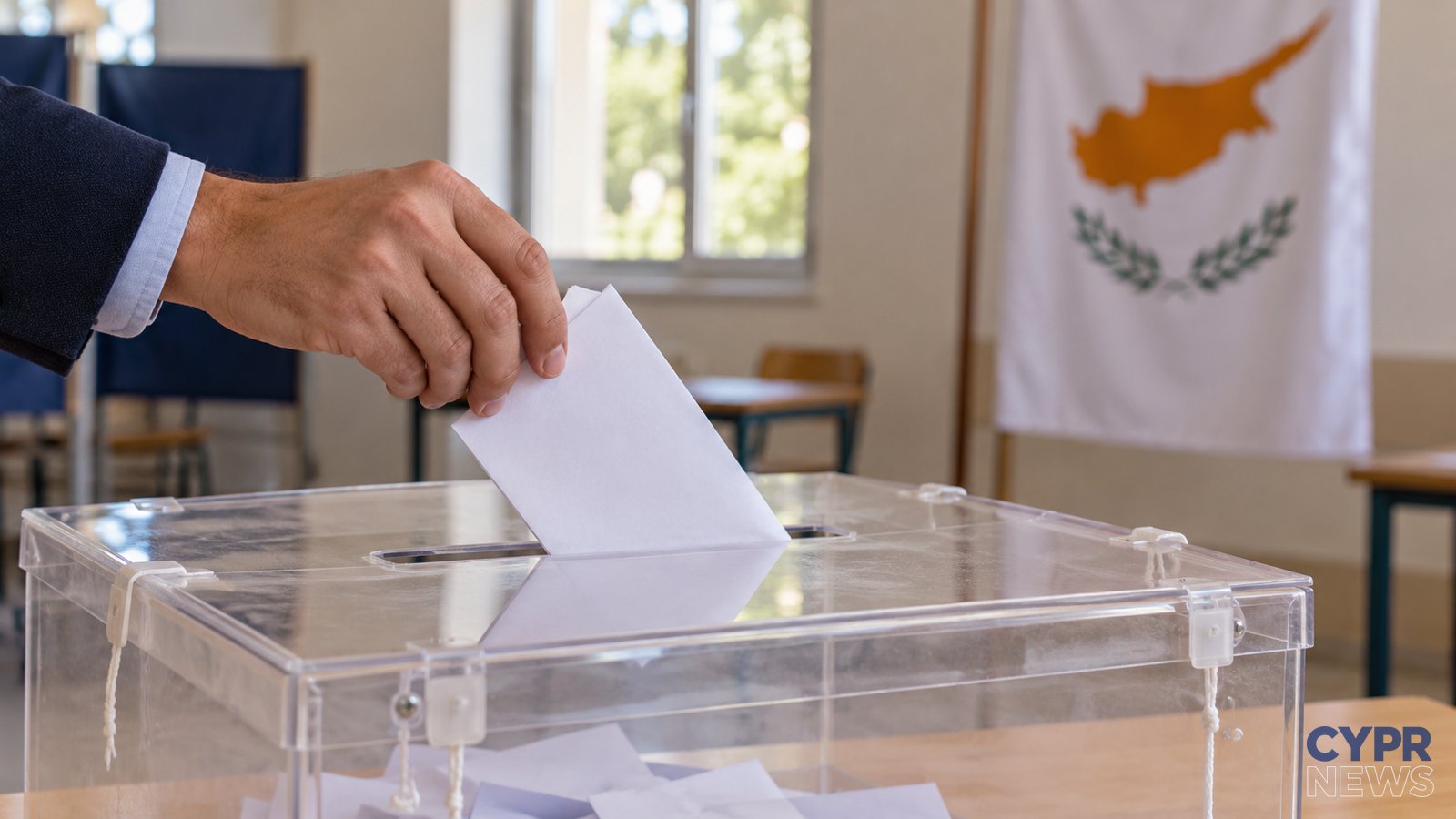
In Cyprus, mayors are elected for nine municipalities whose territory remains under Turkish occupation. Their authorities operate in the part of the island controlled by the Republic of Cyprus. They have city councils, offices, and mailing addresses, although they cannot administer their cities locally.
Electoral rules are also specific. Eligible resettled voters can elect the authorities of both their current place of residence and their occupied municipality of origin. Therefore, one person can participate in the election of the authorities of two different local governments.
Following the Turkish invasion in 1974, the authorities of some Cypriot towns lost the ability to operate within their own territories. Together with the displaced residents, they relocated their operations to the government-controlled part of the island.
The municipalities were not dissolved. They retained their legal identity and continued to participate in the Cypriot system of local government.
These are Famagusta, Kyrenia, Morphou, Kythrea, Lefkoniko, Akanthou, Lysi, Karavas and Lapithos.
Therefore, information about the election of a mayor in Kyrenia or Famagusta does not necessarily refer to the administration currently operating in the occupied area. It may refer to the resettled local government of the Republic of Cyprus.
A good example is Karavas, a town on the island's northern coast. Its relocated office operates in Strovolos, in the greater Nicosia area.
The municipality of Lapithos also lists an address in Strovolos. Kyrenia, on the other hand, is headquartered in Nicosia. The name of the office indicates the town it represents, and the address indicates its current location.
Such authorities cannot organize waste collection, repair streets or perform ordinary municipal duties in the occupied territory.
Their activities focus on representing the displaced community, maintaining contact with residents and maintaining links with their place of origin.
The principle of dual-voting has a specific rationale. A displaced voter belongs to the community in which they currently live, but also retains an electoral link to their municipality of origin.
The electoral administration explained before the 2024 elections that such voters vote based on both their place of residence and their place of origin. They were allocated an additional polling station to vote for the authorities of an occupied or partially occupied municipality.
This isn't about casting two votes for the same office. It's about electing the leadership of different entities.
A person living in one commune can therefore co-decide about its daily functioning and at the same time elect representatives of his or her displaced community.
Not every resident of Cyprus can choose any occupied town and vote for its mayor.
Appropriate authorization and entry in the appropriate electoral register are required. The electoral administration determines which elections a person may participate in.
It should also not be assumed that everyone with parents or grandparents from the occupied territories is automatically subject to the same rules. Detailed eligibility and procedures should be checked in current election information.
The most important distinction remains simple: these elections take place within the system of the Republic of Cyprus and concern its displaced local governments.
Official information regarding the 2024 local elections listed 29 mayoral positions. Nine were for occupied municipalities, and two were for partially occupied municipalities.
The latter two are Nicosia and Paralimni–Deryneia.
Their situation is different. Authorities can perform local government tasks within the Republic-controlled portion of their territory. However, they do not have the same ability to perform such tasks within the entire formal municipal area.
The term "municipality in Cyprus" itself can therefore describe very different conditions of operation of the office.
The activities of the resettled municipalities are not limited to elections alone.
The Committee of Occupied Municipalities operates within the Union of Cypriot Municipalities. It represents the interests of the displaced population, organizes events and meetings, and presents the Cyprus issue abroad.
An important part of this work is passing on memories to younger generations. People born after 1974 may know their family's place of origin primarily through stories, photographs, and documents.
Local governments help maintain this bond even when former residents and their descendants live far apart.
In Strovolos, residents' organizations, a cultural foundation and a youth council are associated with the Karavas municipality.
Local customs also continue. One of them is the traditional Lemon Dance, organized by circles related to Karavas in Cyprus and abroad.
This demonstrates the practical value of having an office operating outside one's own town. Local government helps maintain a community whose members have been dispersed.
When reading information about occupied localities, it's worth checking which administration the material refers to. The resettled local government of the Republic of Cyprus and the administration operating in the occupied area are separate entities.
The mayor elected under the Republic system represents the municipality, which retains its legal identity but does not exercise actual control over its territory.
In Cyprus, an office may have an address in another city, and its constituents may live in multiple locations. The community it represents remains connected to the place from which it was relocated.