Supported by


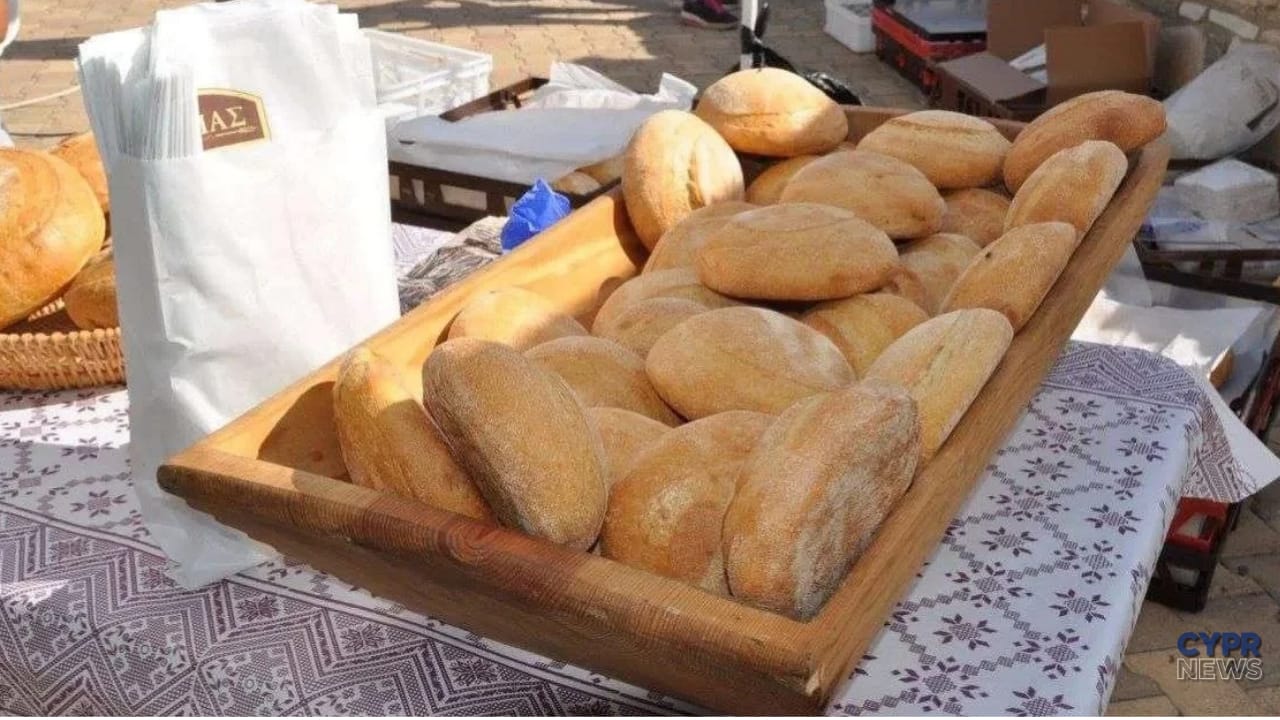
Traditional bread and loukoumi from Athienou could be granted EU protection. Cyprus has submitted applications to the European Commission to register the names "Athienitiko Psomi" and "Athienitiko Loukoumi" as protected geographical indications.
The applications were approved at the national level and submitted to the European Commission on September 25. The Cypriot Ministry of Agriculture expects a decision to be made in 2027. The story of the Athienou bread is particularly interesting. In the 1970s, inspectors confiscated traditional loaves because they exceeded the weight limit at the time.
The procedure concerns two of the most recognizable products from Athienou: large, round bread and local loukoumi.
Both names are to be registered as PGIs, or Protected Geographical Indications. In Polish, this designation is called a Protected Geographical Indication.
The national phase of the procedure has now been completed. The applications were reviewed by the Cypriot Department of Agriculture and received a positive decision from its Director. The product specifications and decisions were published on September 25 in the Official Gazette of the Republic of Cyprus.
The documentation has now been sent to the European Commission, which will check, among other things, the link between the products and their place of origin, their reputation and detailed production rules.
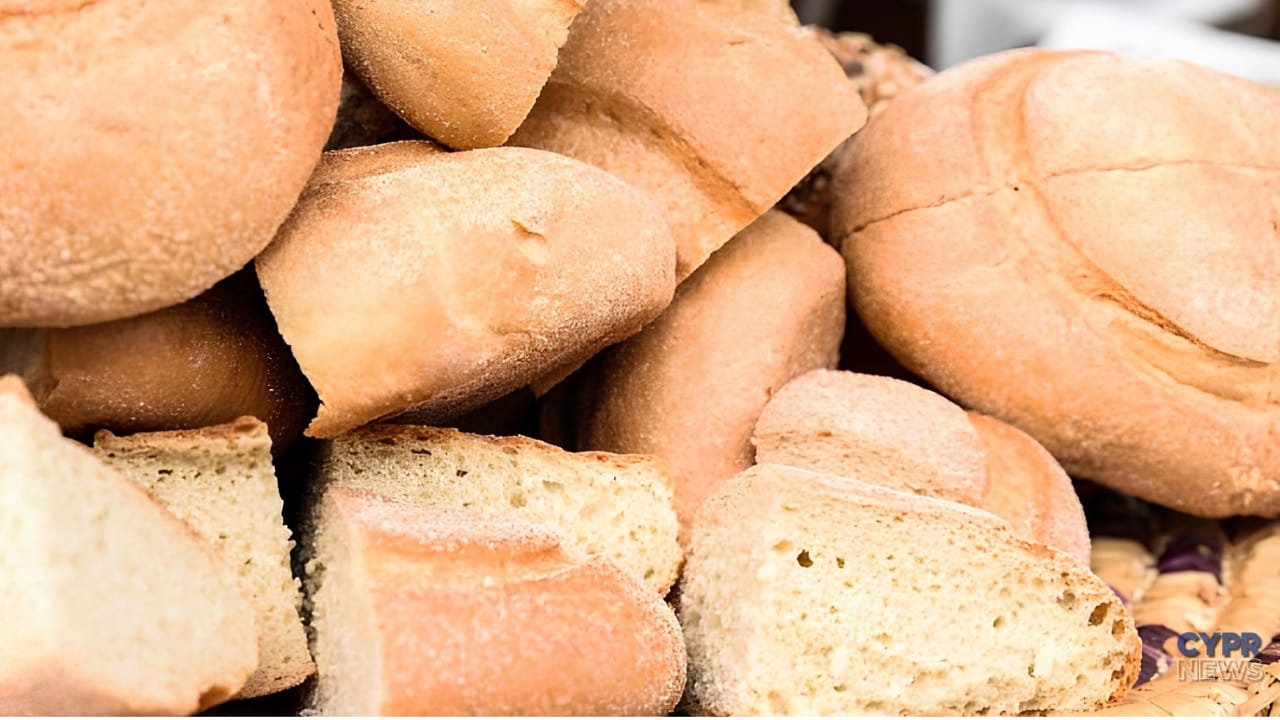
The official specification defines very precisely what product will be able to use the protected name Athienitiko Psomi.
It is a round loaf of bread baked from wheat flour, with at least 90 percent of the flour coming from durum wheat. The remaining ingredients are water, salt, and yeast or sourdough starter.
The bread must not contain any preservatives or added flavorings. The finished loaf should weigh between 1.1 and 1.5 kilograms.
Its most characteristic features are:
The moisture content of the finished bread must not exceed 38 percent. The firm flesh, thick crust, and relatively low moisture content ensure the loaf stays fresh for several days.
All basic stages of production – from receipt of raw materials to baking – must take place within the administrative boundaries of the municipality of Athienou, in areas under the actual control of the Republic of Cyprus.
Outside the designated area, only cutting and packaging of the finished product will be permitted.
Each producer using the protected name will be required to maintain documentation enabling the traceability of the origin of ingredients and individual batches of bread.
The specifications even specify the method of rising and baking. The formed loaves are left to rise for about an hour and a half to two hours. Baking begins at a temperature of around 200–220 degrees Celsius and then continues at a lower temperature. The entire process takes about an hour.
Arkatena from Omodos is made with a fermented chickpea starter. In the past, it was prepared at night, and the recipe was closely guarded from neighbors.
DISCOVER THE CYPRUS TRADITIONThe most remarkable part of Athienitiko Psomi's history dates back to the 1970s.
The regulations in force at the time specified a maximum weight of one kilogram for a loaf of bread. However, the traditional bread from Athienou was larger, making its sale technically illegal for a time.
Market inspectors systematically confiscated loaves that were too heavy. This led to a serious dispute between Athienou producers and the authorities, which was widely reported in the Cypriot press at the time.
Today, the large size – from 1.1 to 1.5 kilograms – is one of the features included in the official product specifications.
The size of the loaves even influenced the equipment of local bakeries. The baking paddles and wooden baking pans used in Athienou had to be adapted to accommodate much larger loaves.
Athienitiko Psomi's documented reputation has developed over a century, but the local connection with bread baking is much older.
The application cites a ceramic object dating back to the 6th century BC. It was found at the site of ancient Golgoi, in the wider Athienou region. It depicts a woman baking round loaves.
The first commercially produced bread bakery began operating in Athienou in 1926. It supplied products to Nicosia, among other cities. Subsequent factories were established from the 1940s onward.
Initially, producers distributed the bread by mule-drawn carts. Later, these were replaced by cars, which allowed the loaves from Athienou to reach an increasing number of towns.
In the second half of the 20th century, Athienitiko Psomi became a product recognized throughout Cyprus. The Athienou baking tradition was subsequently included in the National Register of the Intangible Cultural Heritage of Cyprus.
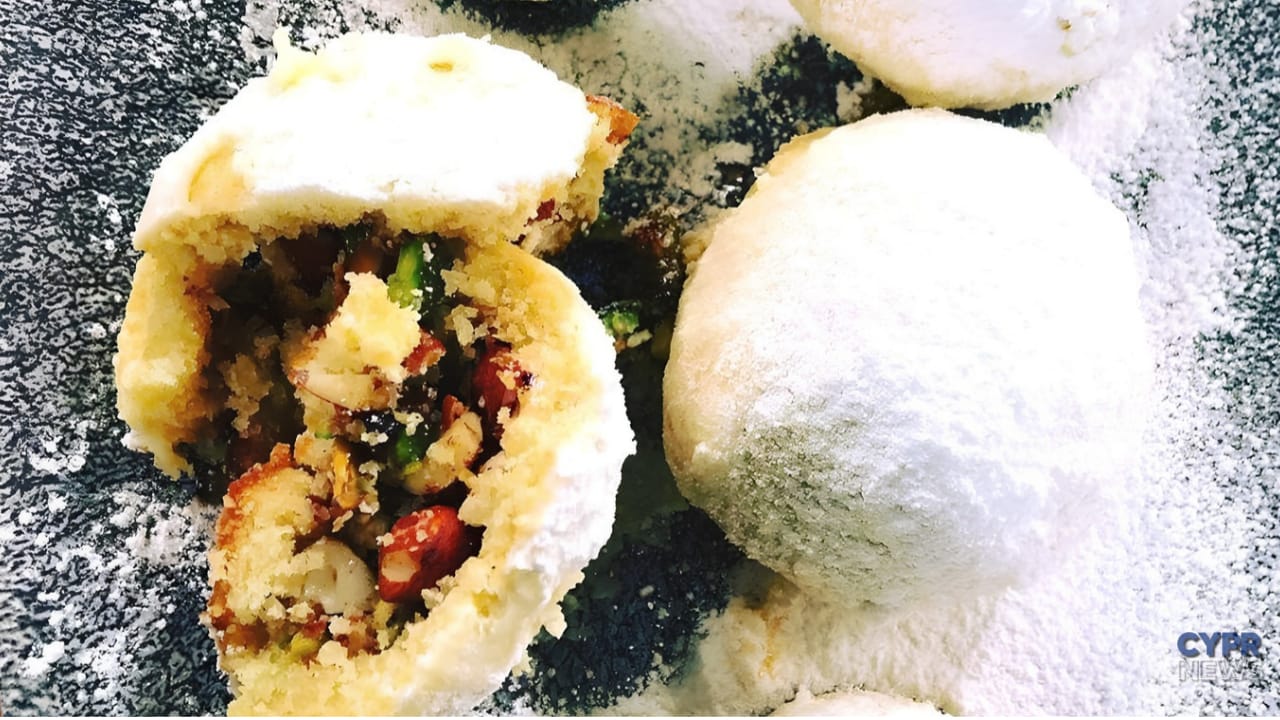
A separate application concerns Athienitiko Loukoumi, also known locally as Athienitiko Lokoumi.
The Ministry of Agriculture recognizes bread and loukoumi as products of exceptional quality and a well-established reputation in Cypriot gastronomy. Both are strongly linked to the history and identity of Athienou.
Obtaining the PGI mark would mean that only products that meet the approved specifications and have the required link to Athienou could use the protected names.
The protection would apply to product names, their reputation, and origin. It would not prohibit the production of similar bread or sweets in other locations. However, producers outside the designated region would not be able to sell them in the European Union under protected names.
European protection is not yet a done deal. The applications have completed the national phase of the procedure but must be examined by the European Commission.
The Commission may accept the documentation, request additional clarification, or submit comments on the proposed specifications. Only after this procedure is completed will the names be entered into the EU register.
However, the Cypriot Ministry of Agriculture expects a positive decision in 2027. If this happens, Athienitiko Psomi and Athienitiko Loukoumi will join the Cypriot products covered by the European system for the protection of geographical names and indications.
Sources: Ministry of Agriculture of the Republic of Cyprus, Department of Agriculture, Cyprus Mail