Supported by


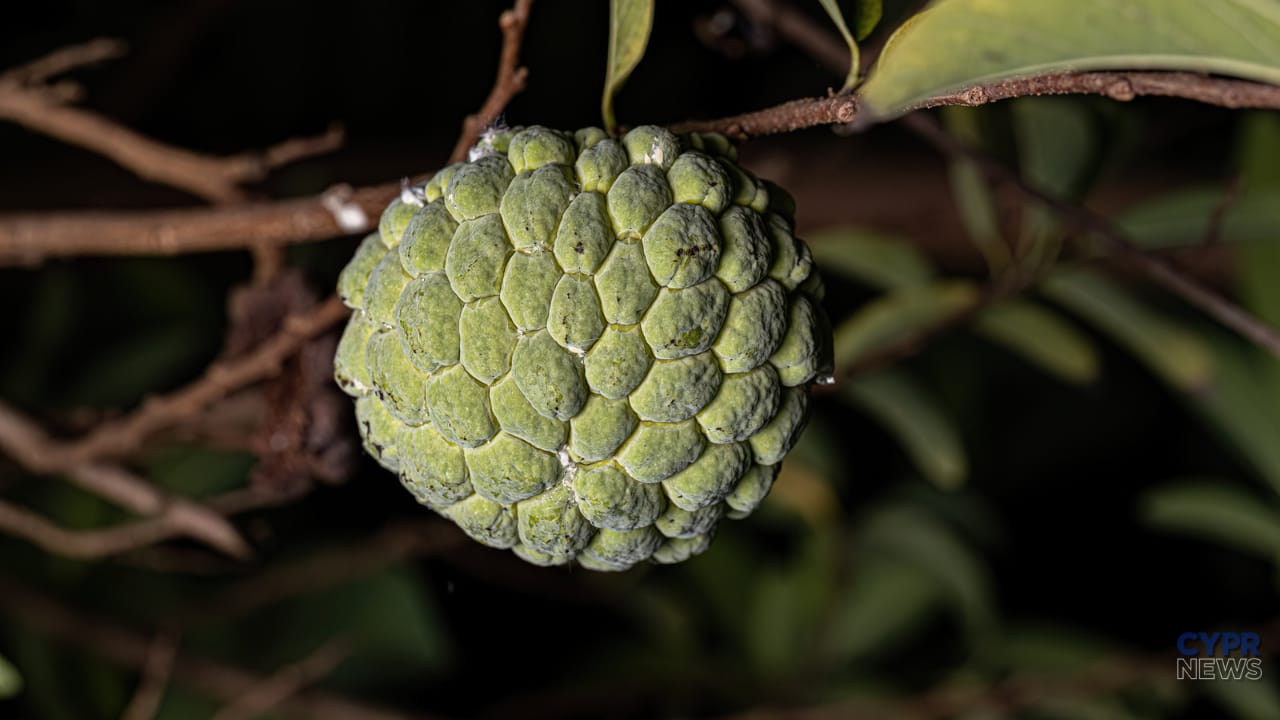
With its green, scaly skin and soft, creamy flesh, the sweetsop is a fruit that grabs your attention even before the first bite. Its botanical name is Annona squamosaThe ripe fruit is very sweet, and its flavor may be associated with vanilla, pear, and banana.
Autumn can be its ripening season, although the harvest date depends on the variety and growing conditions. If you encounter sweetsop at a local grower in Cyprus, it's worth asking about the fruit from the current harvest. The most important thing is to choose a ripe specimen—that's when you can best appreciate its characteristic texture and aroma.
The most recognizable feature of sweetsop is its surface, resembling a green pine cone. The skin is composed of convex segments, the spaces between which increase as it ripens.
Inside, the light flesh is divided into soft segments. Many of these segments conceal hard, dark seeds. The creamy texture makes the fruit resemble a dessert more than a crunchy apple.
English name sugar apple, meaning "sugar apple," can be misleading. The custard apple is not a variety of apple. Therefore, don't expect a similar flavor or texture.
It's best to try it plain. The ripe flesh is sweet enough to require no sugar.
Watch more short films about Cyprus, its flavors, traditions, and everyday life.
 VISIT OUR CHANNEL
In warm regions, sweetsop can be harvested from summer to fall. University of Florida materials indicate this period for cultivation in the southern part of the American state.
However, this isn't a set calendar for Cyprus. Ripening times vary depending on temperature, variety, and cultivation methods. Imported fruit may also appear in stores at different times than those from local trees.
October may therefore be harvest time, but it is best to check the origin and availability of fresh fruit with the seller or grower.
Don't rely solely on the green color of the peel. The softness of the fruit and the appearance of its segments are more important.
A ripe sweetsop yields slightly when lightly pressed. The individual skin sections become more distinct, and lighter gaps may appear between them.
The fruit should not be squeezed too hard, as it can easily be damaged. When purchasing a firm specimen, it's worth asking if it was picked at the right time. If picked too early, the sweetsop may not ripen properly.
As with figs, appearance alone doesn't always provide the full answer. CyprNews has previously described why fruits from the same group can have different colors and still be ripe.
Ripe fruit can be carefully separated or cut in half, and then the flesh can be scooped out with a spoon. The skin and seeds are then discarded.
We only eat the pulp. The seeds should not be eaten, chewed, or blended with the fruit. Before using sweetsop in a cocktail or dessert, they must be carefully removed.
It's best to try the pulp fresh and plain for the first time. This will allow you to get a feel for its flavor and texture before combining it with other ingredients.
DISCOVER MORE CYPRUS FLAVORS
Prickly pears, local figs and sweets served on a spoon – at CyprNews we also describe other flavors worth experiencing during your stay on the island.
Similar names can lead to confusion. Sweetsop is not the same fruit as cherimoya, the Peruvian soursop. Atemoya also exists, a hybrid of both species.
These fruits can have light, creamy flesh, but they differ in the appearance of their skin, among other things. So, it's worth checking the name when purchasing. Annona squamosa, instead of being guided by the term "annona" itself.
Spotting a sweetsop on a tree is a great opportunity to learn more about this lesser-known plant. However, before picking the fruit, you must obtain the owner's permission.
Sources: University of Florida IFAS Extension; CyprNews own materials.