Supported by


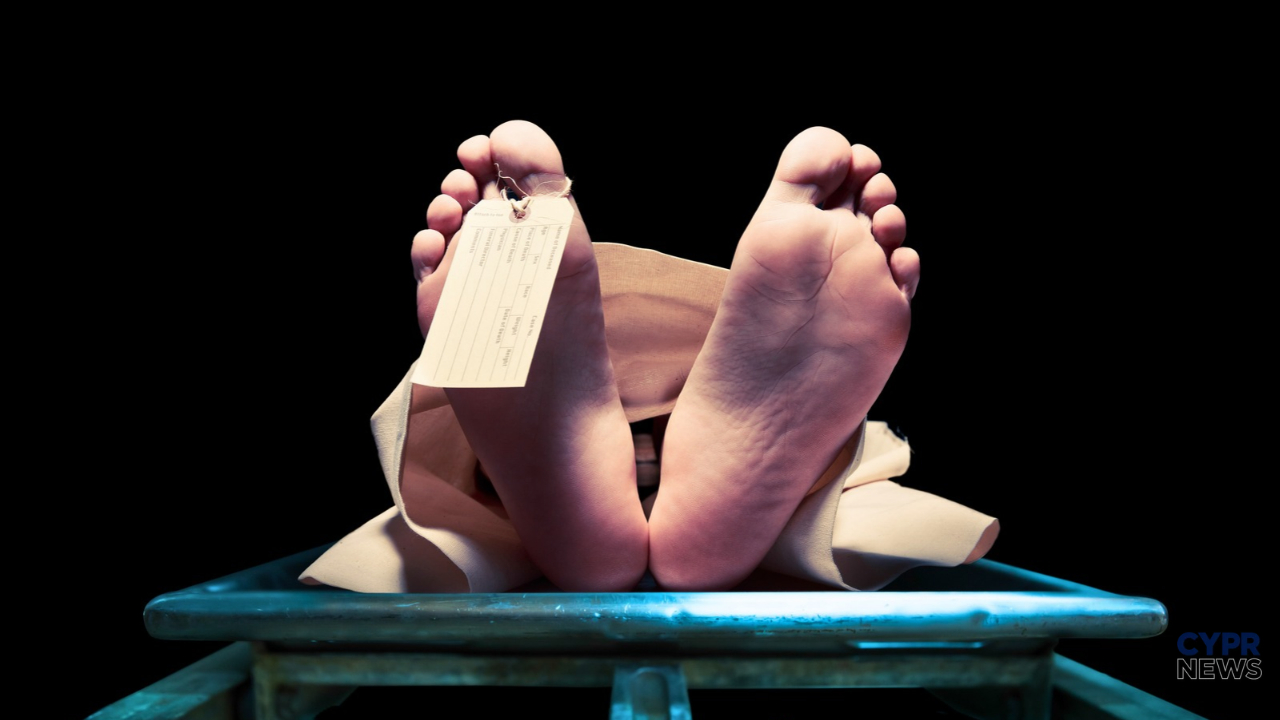
The body of a British man who was searched for two days at a Nicosia morgue was still there. According to Philenews, it was labeled with a different name. The discrepancy was revealed when a funeral home employee arrived to collect the deceased to prepare for transport to the UK.
The man had died in Paphos about a month earlier. His body was transferred to Nicosia General Hospital for an autopsy because the Paphos morgue was out of service. The search ended on Wednesday, October 14, after a more thorough examination of the stored body and a comparison with a photo of the deceased.
Initial reports suggested that the body may have been removed from the hospital without proper documentation. The matter was reported to the police, who began investigating the deceased's whereabouts.
However, the latest information indicates that the body never left the morgueThe problem was labeling it.
According to Philenews, a detailed search of the chambers revealed a body matching the man being sought, but with a card bearing a different name. An earlier search, according to the British man, was therefore unsuccessful.
The website also reported that the documentation was missing an entry required by applicable procedures. According to its findings, an error was made by a morgue staff member. Responsibility for the irregularities remains to be determined.
The body was discovered missing on Monday, October 12. A representative of a funeral home from Paphos arrived at the hospital in Nicosia to collect the deceased.
The family wanted the body returned to the UK. However, before it could be released, it was necessary to locate it and confirm its identity.
When this proved impossible, an investigation began to determine whether the body had been previously handed over to the police or another funeral home. Initial investigations were inconclusive, so the case was transferred to the Latsia Police Station and then to the Nicosia Police Department.
The discovery of the body clarified a key mystery. However, it did not answer the question of why the mislabeling and missing documentation had not been noticed earlier.
The case once again highlights the way bodies are stored, identified and transferred in Cypriot hospitals.
This isn't the first report on irregularities at mortuaries. CyprNews previously reported on an inspection of the Paphos facility, which revealed, among other things, incomplete documentation, problems with refrigeration equipment, and a lack of an emergency plan.
In the case of the Briton, the body was transferred from Paphos to Nicosia for an autopsy. After the examination, it was to remain in the hospital morgue until collected.
This process requires clear identification of the deceased and recording of subsequent steps: receipt, storage, and release of the body to an authorized entity. An error at any stage can complicate identification and delay funeral arrangements.
In this case, there are no grounds to present the initial suspicions that the body had been removed as a confirmed fact. Recent findings indicate a mislabeling and a documentation issue.
For the family, however, this meant two days of uncertainty as they tried to arrange for their loved one's repatriation. The discovery of the body ends the search, but does not eliminate the need to explain how the mistake occurred.
Sources: Philenews, OmegaLive, CyprNews.