Supported by


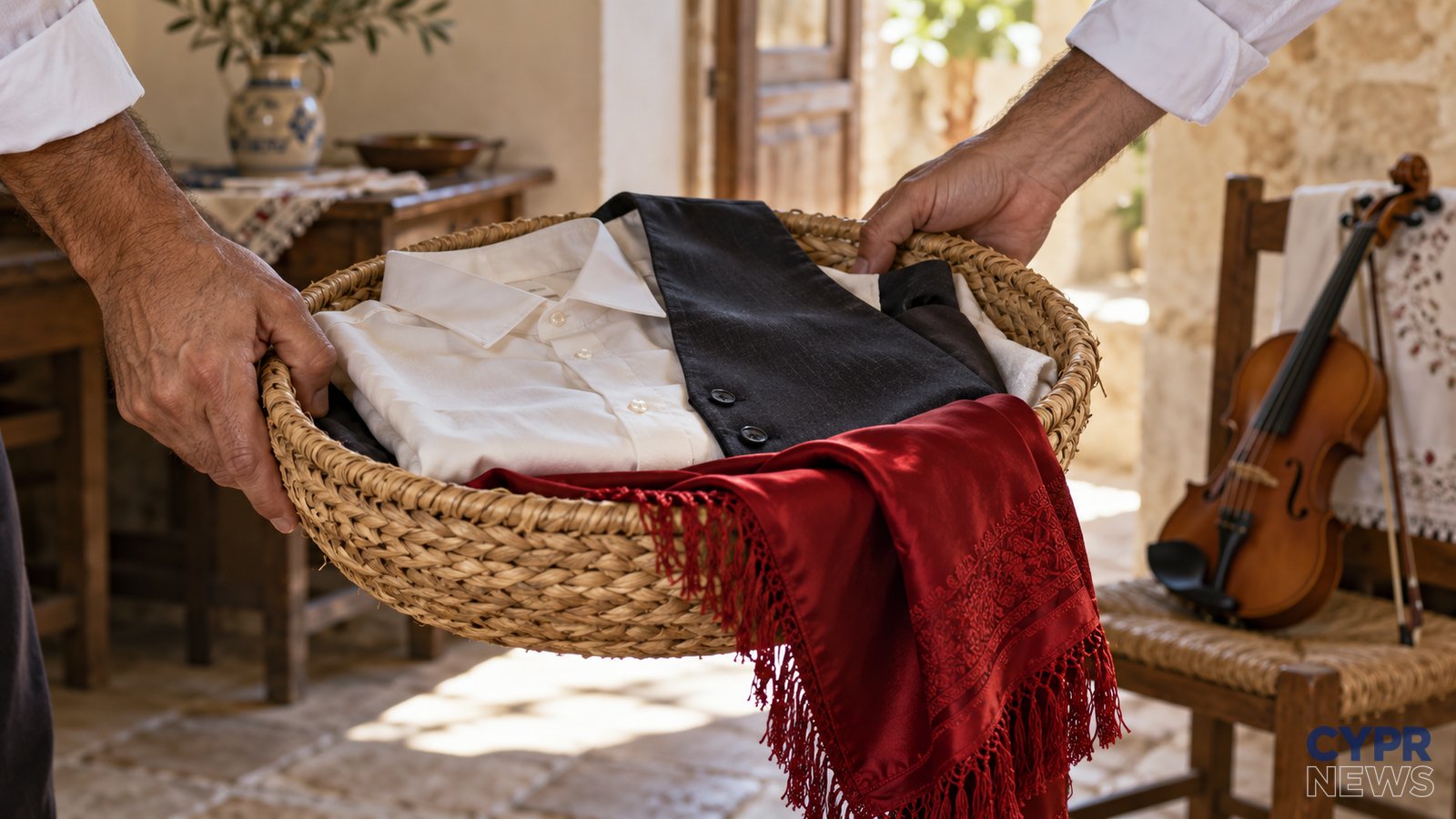
A traditional Cypriot wedding begins even before the church. Musicians play in family homes, relatives assist in dressing the bride and groom, and the groom undergoes a ceremonial shaving. The clothes may first "dance" in a basket before anyone wears them.
Shaving, the red scarf, and incensing are among the rituals associated with Greek Cypriot wedding traditions. Some families still retain them today, although their practices vary from town to town. In 2016, traditional Cypriot wedding customs were added to the national register of intangible cultural heritage.
For a guest accustomed to Polish weddings, the preparations may seem like a separate celebration.
Instead of the leisurely putting on of a suit or gown, a family gathering takes place, complete with music and singing. Parents, loved ones, and those serving as wedding witnesses and guardians take center stage.
However, this isn't a mandatory scenario for every wedding on the island. The rituals described are primarily associated with Greek Cypriot Orthodox weddings. They shouldn't be automatically attributed to all Cypriot communities.
One of the most recognizable customs is the ceremonial shaving of the groom.
He is accompanied by relatives, friends and koumbaros, a person who plays an important role during the wedding preparations and ceremony. The musicians play the violin and traditional lute. laouto.
In the past, the barber would shave the groom, and the groomsman would help, among other things, by holding the towel. There were jokes and musical chants. A task that usually takes only a few minutes became a public farewell to bachelorhood.
Nowadays, shaving can be symbolic. The most important thing is the shared participation in the preparations, not how much facial hair actually disappears from the face.
Another custom concerns wedding attire.
Clothes are placed in a traditional woven basket or on a tray called tsestoThen, loved ones lift them and dance to the music. In the ritual variants described, they perform three laps, and before beginning, they make the sign of the cross.
This isn't a fashion show. The clothes become part of a family ritual before they are worn by the bride or groom.
The procedure depends on local custom: the basket may be covered with a red cloth, previously incensed, and other family members may participate in the dance.
A particularly moving part of the preparations is zosimo, i.e. tying with a red scarf.
The parents approach their child one by one, make the sign of the cross with the scarf, and then wrap it around the child's waist three times. In some families, grandparents, siblings, or godparents also participate.
The gesture signifies a blessing for a new life path and a farewell to one's former role in the family. Red was also associated with fertility and protection against the evil eye.
These meanings belong to folk tradition. They are not a promise that the scarf will bring happiness to the couple, nor are they a condition for the validity of the wedding.
Preparations may also be accompanied by capnisman — incensing the bride and groom.
Loved ones swirl a censer around the head of the person preparing for the wedding. In some variants, rose water is also used.
Religious blessing and folk beliefs about protection against envy and the evil eye are combined here.
Ancient descriptions also mention the breaking of dishes after certain rituals. However, this doesn't mean that breaking plates is an integral part of every modern Cypriot wedding.
The Polish word "witness" only partially reflects the meaning of the terms koumbaros and koumera.
Their duties extend beyond simply being present at the couple's side during the ceremony. They participate in preparations, assist with dressing, and play a vital role in the Orthodox wedding ceremony.
This creates a special bond between families. The ceremony has social and religious significance, so it goes beyond the signing of documents.
However, the scope of responsibilities depends on the family and the form of the ceremony adopted.
Money was part of Cypriot weddings even before the prevalence of modern envelopes.
A custom called ploumisma It involved giving gifts to the newlyweds during a dance. Relatives and friends would attach banknotes to them, sometimes tied together in strings.
The Cyprus University of Technology archives contain a photograph from Tseri from 1960, along with a description of the ceremony that took place on the Monday following the wedding. The bride and groom danced while their loved ones approached one by one with money.
It was a public form of expressing wishes, but also material support for the couple starting their life together.
Traditional weddings, especially in the Paphos region, are also associated with resi — a dish made of wheat cooked for a long time with meat.
Preparation required time, large vessels, and many hands. Processing grain and cooking together could themselves be part of the wedding preparations.
Resi shows that the celebration wasn't limited to the bride and groom and a hall reserved for one evening. It also involved relatives, neighbors, and the local community.
The 2016 national inventory of intangible cultural heritage includes traditional Cypriot wedding customs. It does not constitute inclusion on the UNESCO World Heritage List.
Their continuation is primarily determined by couples and families, who invite musicians and incorporate ancient rituals into the preparations. Folkloric groups also assist in this endeavor.
Some weddings retain many elements, others only the red scarf or symbolic shaving. That's why there's no one-size-fits-all scenario.
For the guest, the most interesting moment may come even before the ceremony: when the suit is waiting in the basket, the violin begins to play, and the parents approach with a red scarf.