Supported by


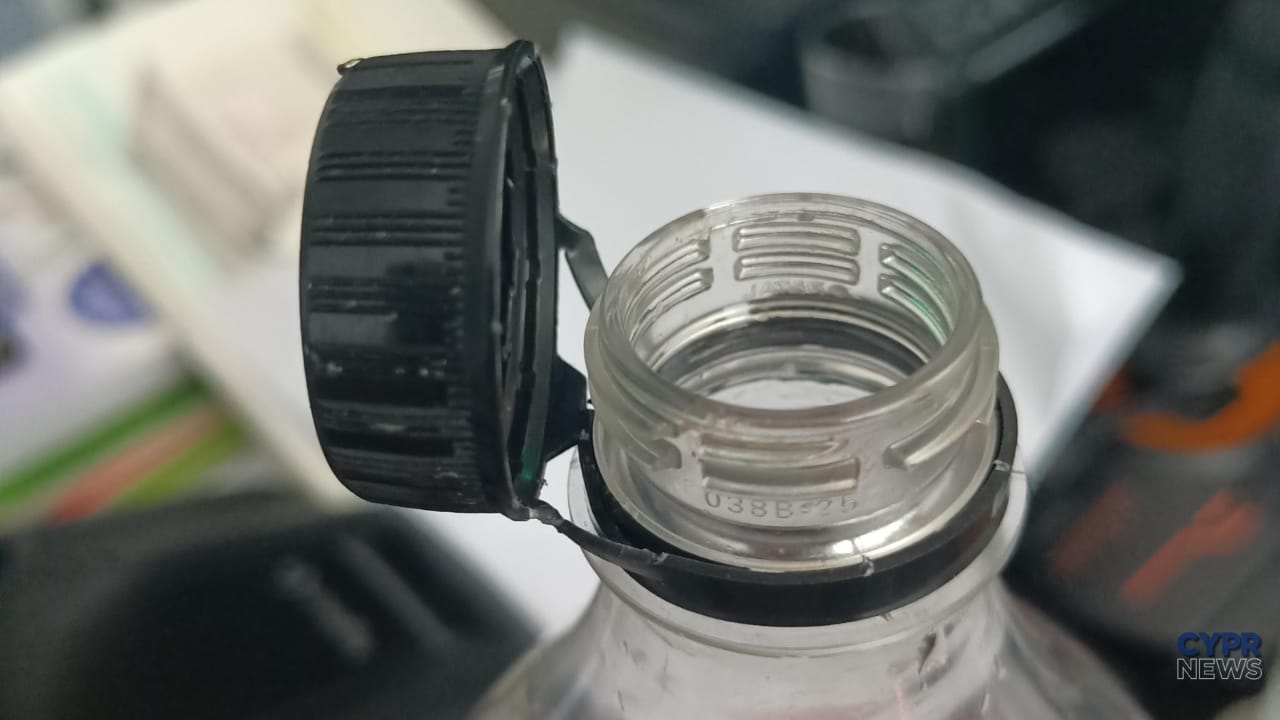
In areas controlled by the Republic of Cyprus, the plastic cap remains attached to the bottle – just like in Poland and other European Union countries. However, if you travel to the north of the island, you can still buy drinks in bottles with regular, fully screw-off caps.
The difference isn't due to differences in drinking habits or local customs. It stems from the scope of EU law. EU regulations regarding fixed caps apply in the Republic of Cyprus and Poland. However, their application remains suspended in northern Cyprus, where the Republic's government lacks effective control.
From 3 July 2024, single-use beverage containers placed on the European Union market must have plastic caps and lids that remain attached to the packaging during use.
The regulations cover beverage containers up to three liters. Therefore, attached caps have appeared on bottles of water, carbonated drinks, juices, and milk, among others.
The change was noticed by both residents of the Republic of Cyprus and consumers in Poland. Not everyone was pleased. Some complained that the cap was in the way when drinking or made pouring the drink difficult.
Manufacturers use different solutions. Some caps can be flipped open, others can be rotated and locked to the side of the neck. However, the common feature is that they should remain attached to the packaging after opening.
Bottle caps were among the most common types of plastic waste found on European beaches. Because they are so small, they easily separate from bottles, fall out of containers, and end up in the environment.
Connecting the cap to the bottle increases the likelihood that both components will be collected and recycled together. This solution also reduces the number of loose plastic caps ending up in the sea and posing a risk to wildlife.
The EU obligation stems from a directive on reducing the environmental impact of certain plastic products. The regulations also cover other single-use products that often become waste.
The entire island formally belongs to the European Union. However, in northern Cyprus, the application of EU law remains suspended in accordance with Protocol No. 10 to the Act of Accession of Cyprus.
This applies to areas where the government of the Republic of Cyprus does not exercise effective control. As a result, the EU's obligation regarding the design of plastic caps does not automatically apply there.
Local producers can therefore continue to use bottles with standard caps, which separate completely from the packaging when unscrewed. The difference is easy to spot when shopping on either side of the Green Line.
This doesn't mean, however, that every bottle sold in the North will have a detachable cap. Products imported from European Union countries may still have caps attached to the neck, as they were manufactured that way for the EU market.
Interestingly, a drink from the same or a similar brand can be sold in two different types of packaging. This is determined by the production location and the market for which the batch was prepared.
Bottles intended for the Republic of Cyprus market must meet EU requirements. Products bottled or packaged for the northern part of the island may use a different closure type.
Therefore, the place of purchase alone doesn't always allow you to predict the type of cap. The origin of a specific product may be decisive.
We explain where to drop off plastic bottles, metal cans and glass and how Cypriot recycling differs from the system in Poland.
CHECK THE RULESA cap that's attached can usually be torn off with a bit of force, but that's not the intended purpose of the packaging. It should remain attached to the bottle until it's discarded.
Once the container is empty, it's best to close the bottle and take it to the appropriate collection system. In Cyprus, plastic beverage bottles fall into the PMD category, along with metal beverage cans and cartons.
The attached cap is a minor detail that highlights a much larger legal difference on the divided island. On one side of the Green Line, EU packaging requirements apply. On the other, their use remains suspended—a fact that can be observed even when opening a regular bottle of water.
Sources: European Commission, EUR-Lex, Green Dot Cyprus