Supported by


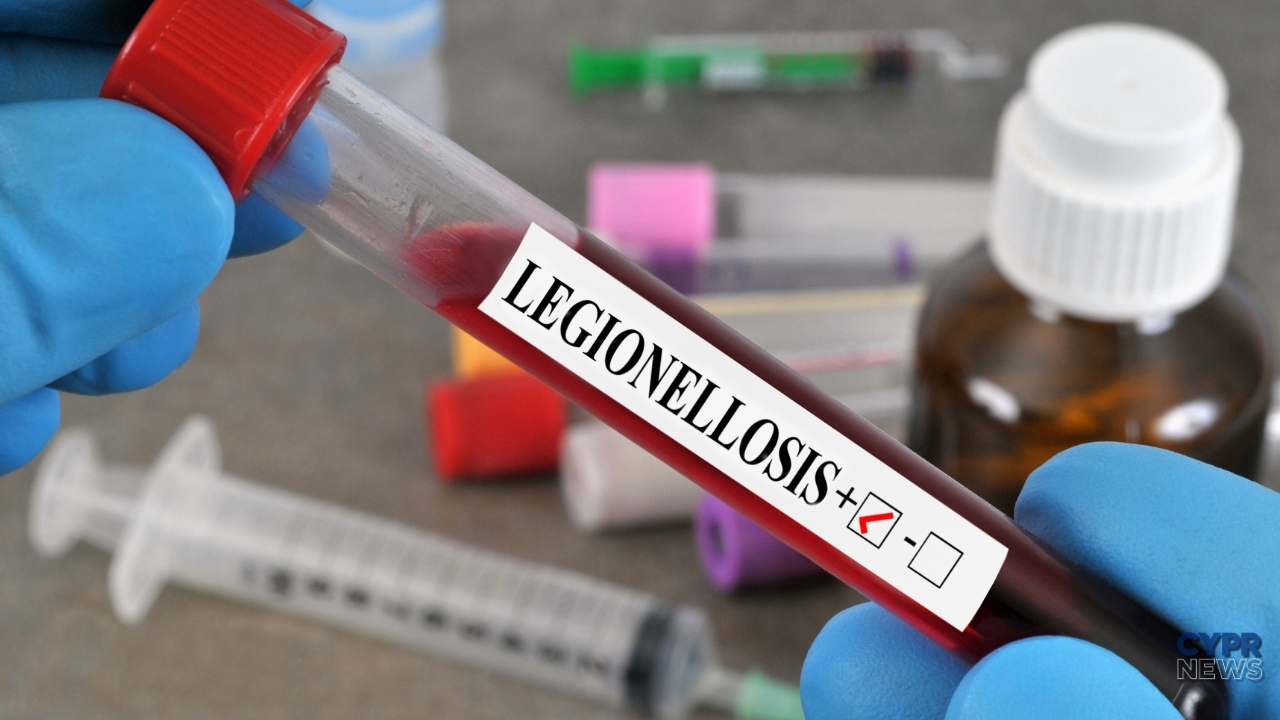
Legionnaires' disease in a newborn in Cyprus led to the temporary suspension of operations at a private clinic in Nicosia. The baby is being treated in the Neonatal Intensive Care Unit at Makarios Hospital. Tests revealed the presence of Legionella pneumophila bacteria in the internal water supply system of the facility where the newborn was born.
The remaining newborns were transferred to other facilities. According to a Ministry of Health statement from October 16, no further suspected or confirmed cases associated with the clinic have been identified. Its operations will remain suspended until additional inspections are completed and the results are assessed. The Ministry did not disclose the name of the facility or the child's specific condition.
Information about the illness first appeared on Friday, October 16. Initially, Cypriot media reported that operations had been restricted on the floor of the private clinic where the child was staying.
A subsequent announcement from the Ministry of Health provided an important update: it was decided to temporarily suspend the entire facility.
As part of the investigation, authorities conducted inspections and collected water samples. Initial results showed the presence of Legionella pneumophila at several points in the installation. Additional environmental studies were commissioned.
Detecting the bacteria requires determining the extent of contamination and the circumstances of the child's infection. The results of the system test alone do not yet explain the exact mechanism by which the disease occurred.
A newborn diagnosed with Legionnaires' disease was transferred to Makarios Hospital in Nicosia. The ministry confirmed his hospitalization in the neonatal intensive care unit but did not release a more detailed assessment of his condition.
There is therefore no basis to describe it as stable or critical.
In parallel, the remaining newborns were transferred from the clinic to other facilities. Epidemiological surveillance was strengthened, and the relevant hospital departments and pediatricians were notified.
As of the time of this announcement, no additional cases linked to the facility have been identified. However, the situation is still being monitored.
Legionellosis is the general term for diseases caused by bacteria of the genus Legionella. The form that causes pneumonia is called Legionnaires' disease.
Infection occurs primarily through inhalation of tiny droplets of contaminated water. Sources of such aerosols include showers, water systems, humidifiers, and jacuzzis.
In a hospital setting, infection is also possible through inhalation of contaminated water. However, this does not mean that this is the mechanism that occurred in the clinic described—this issue needs to be clarified by ongoing research.
Legionellosis does not spread through ordinary human contact. The transfer of newborns should therefore not be interpreted as evidence that the sick child infected other patients.
Bacteria can multiply in systems that provide them with suitable conditions, including stagnant water. Infection prevention requires proper system maintenance, temperature control, cleaning, and disinfection.
This is particularly important in medical facilities where patients are susceptible to severe infection.
Legionnaires' disease can cause fever, cough, weakness, and shortness of breath. According to the World Health Organization, symptoms typically develop 2–10 days after exposure, although a longer period is possible. However, a general list of symptoms should not be used to assess a newborn's condition.
No date has been announced for the resumption of operations. The facility will remain closed until additional inspections are completed and their results are assessed by the appropriate authorities.
The published findings concern the installation of a specific clinic. They do not constitute information about contamination of the municipal water supply network or provide grounds for extending the alert to all of Nicosia.
The most important things now are caring for the child, determining the circumstances of the infection and ensuring safe conditions before re-admitting patients.
Sources: Ministry of Health of the Republic of Cyprus, Phileleftheros, WHO.