Supported by


Infections in children are a part of everyday preschool and school life, but the risk of transmission can be reduced by handwashing, airing rooms, staying home when sick, and vaccinating according to recommendations for the child's age and health.
For parents, monitoring their child's well-being, breathing, and hydration is paramount. Fever, worsening symptoms, or significant weakness indicate staying home. Returning to school should depend on improved health, pediatrician recommendations, and school policies.
At school and preschool, children have many opportunities for close contact. It's impossible to eliminate all infections, but simple habits can help limit their spread.
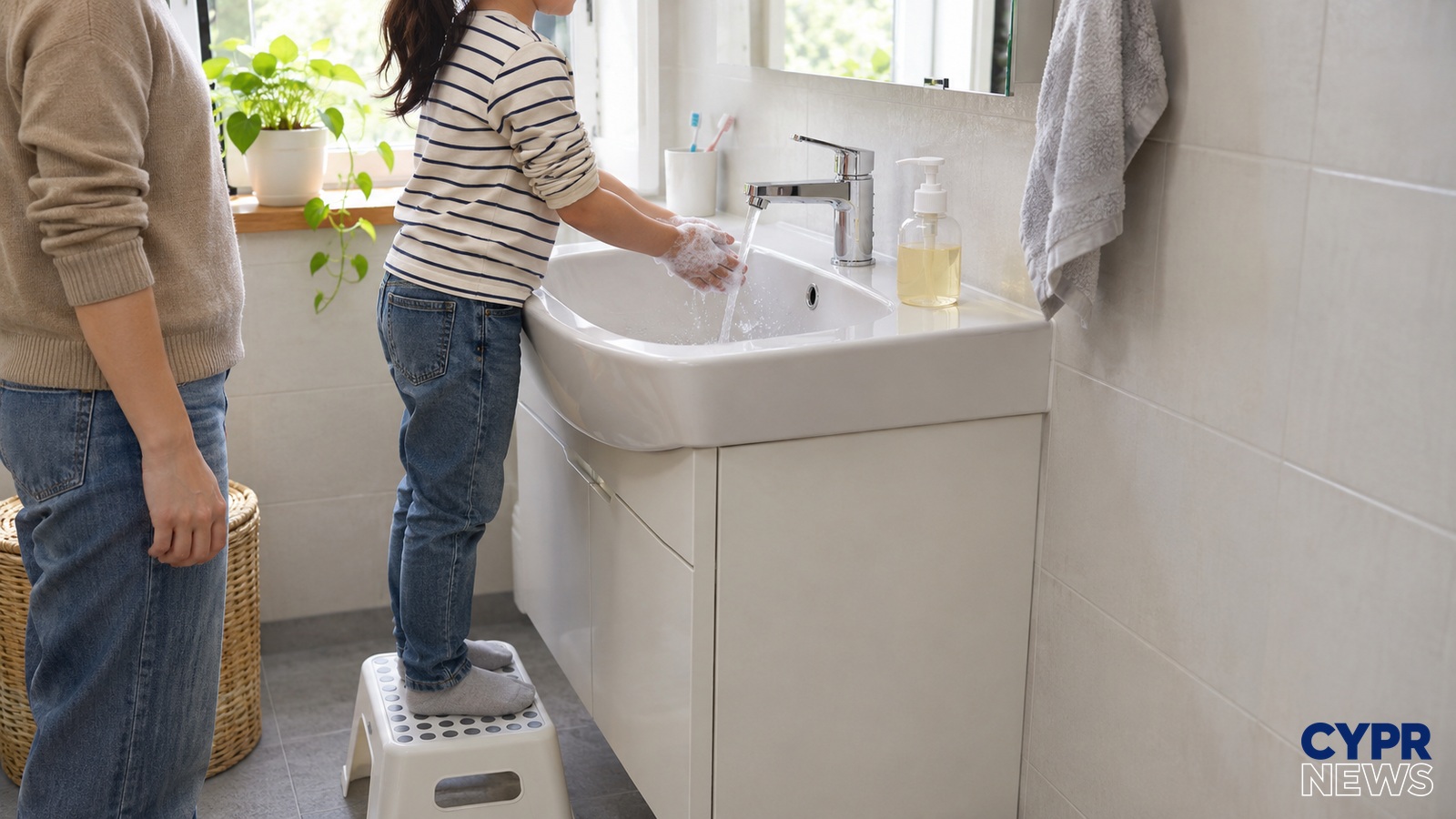
It's important to teach your child to wash their hands with soap and water, especially before eating and after using the toilet. When coughing and sneezing, they should cover their mouth and nose with a tissue or the crook of their elbow.
A supply of fresh air is also important. Ventilating rooms and household spaces is one of the basic ways to reduce exposure to respiratory viruses. Younger children require adult assistance—following all the rules on their own can be difficult.
Fever, repeated vomiting, diarrhea, or worsening respiratory symptoms are reasons to withdraw from classes. A child also needs rest if they are too weak to participate normally in the school day.
Not every persistent runny nose or cough means a long absence. The course of the illness, overall improvement, and the ability to participate in activities without excessive fatigue are important.
A varied diet, adequate fluid intake, and regular sleep support the proper functioning of the body. It's important to maintain consistent rest times and limit evening screen use if it interferes with sleep.
This doesn't mean, however, that a specific food or "immune supplement" will guarantee infection prevention. Daily habits are part of maintaining good health, not a way to completely eliminate the risk of illness.
During the illness, you should pay particular attention to drinking, urination, the child's behavior and any possible worsening of symptoms.
Vaccinations help prevent certain diseases and their serious consequences. However, they do not protect against all viruses that cause colds or coughs.
Parents living in Cyprus should check with their pediatrician to ensure their vaccinations are up to date and to schedule booster doses according to local recommendations. The Cypriot plan for the 2026/2027 season provides for influenza vaccinations to be administered by GESY's personal physicians for adults and children, by appointment.
The child's age, chronic diseases and previous vaccinations are important in determining appropriate protection.
Don't wait to get help if your child is having trouble breathing, their lips are turning blue, they're difficult to wake, or they're having seizures. If your child is in immediate danger, call 911. 112.
Signs of dehydration, such as significantly less frequent urination, dry mouth, or lack of tears when crying, also require urgent medical evaluation. In an infant under three months of age, a temperature of 38°C or higher requires urgent medical attention.
Children with chronic illnesses or weakened immune systems may require prior consultation. In other cases, it's worth contacting a pediatrician if the condition worsens or the fever or cough recurs after initially improving.
Sources: CDC, American Academy of Pediatrics, Ministry of Health of Cyprus