Skip to content
Supported by


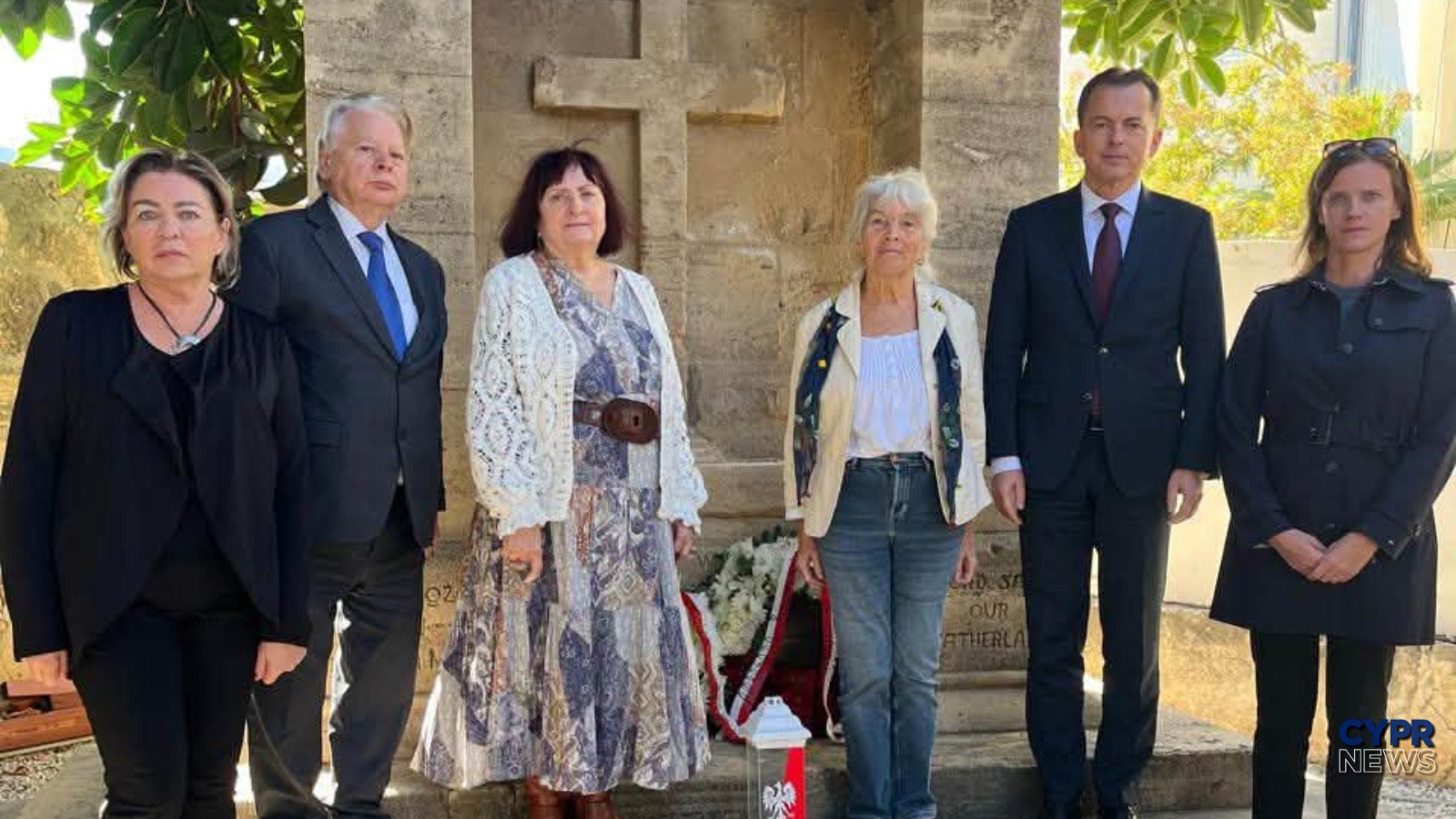
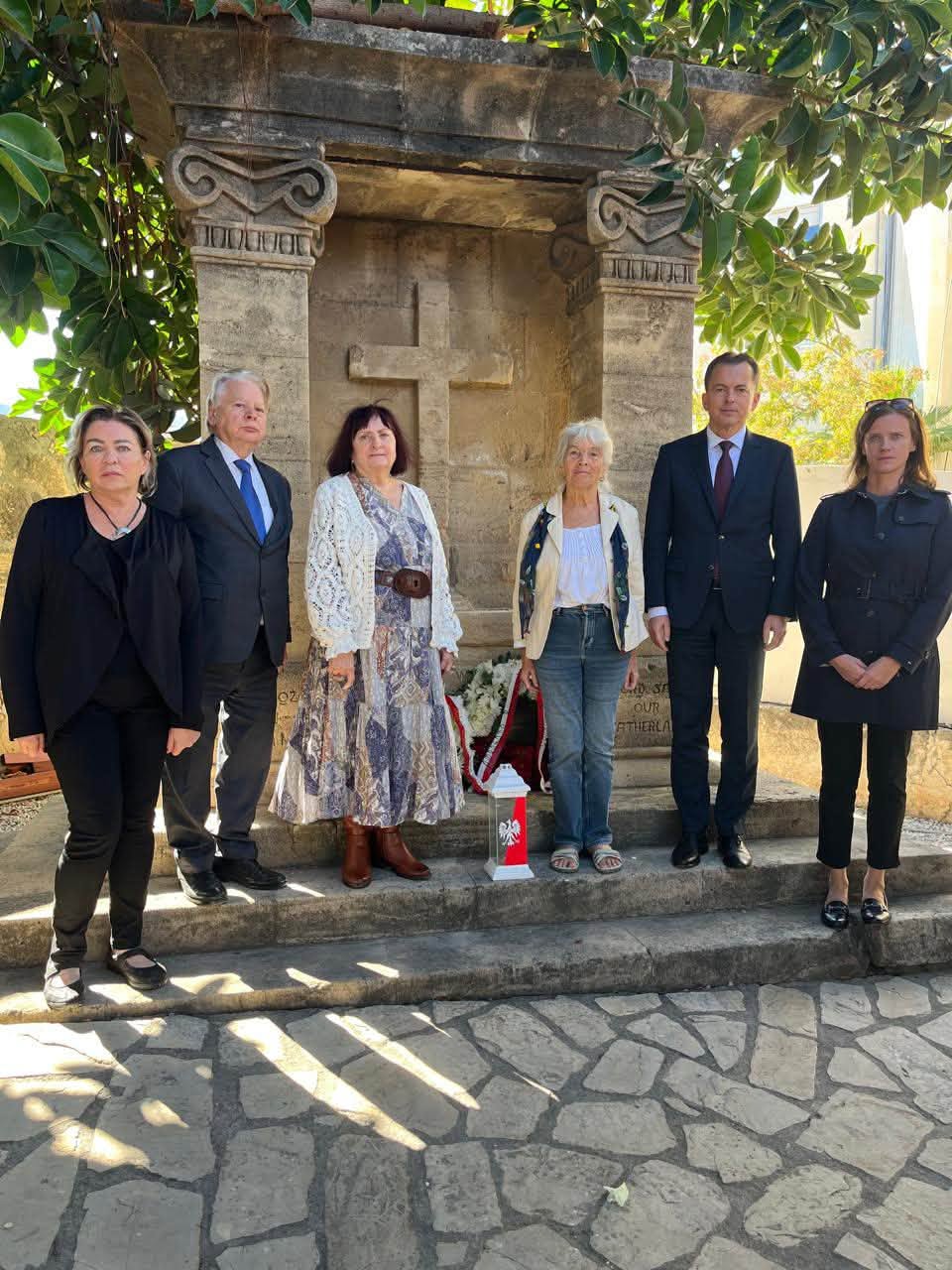
Polish Ambassador Marek Szczepanowski laid a wreath at the Polish Refugees Monument at St. Elizabeth's Church in Kyrenia. Also attending the Independence Day ceremony were Senator Bogdan Borusewicz, who was visiting Cyprus, and representatives of the Polish diaspora.
Gatherings here are an annual tradition commemorating the Poles who found refuge on the island during World War II. The monument itself was created during the war—funded by refugees as an expression of gratitude for the help they received and hope for regaining a free homeland.
The monument is located in the courtyard of the Catholic Church of St. Elizabeth of Hungary in Kyrenia, in the northern, occupied part of Cyprus.
It is a reminder of the wartime fate of Poles who found refuge on the island after leaving the country. This year's commemorations recalled their history and paid tribute to them.
The wreath was laid by Ambassador Marek Szczepanowski. The meeting was also attended by Senator Bogdan Borusewicz and representatives of the Polish community.
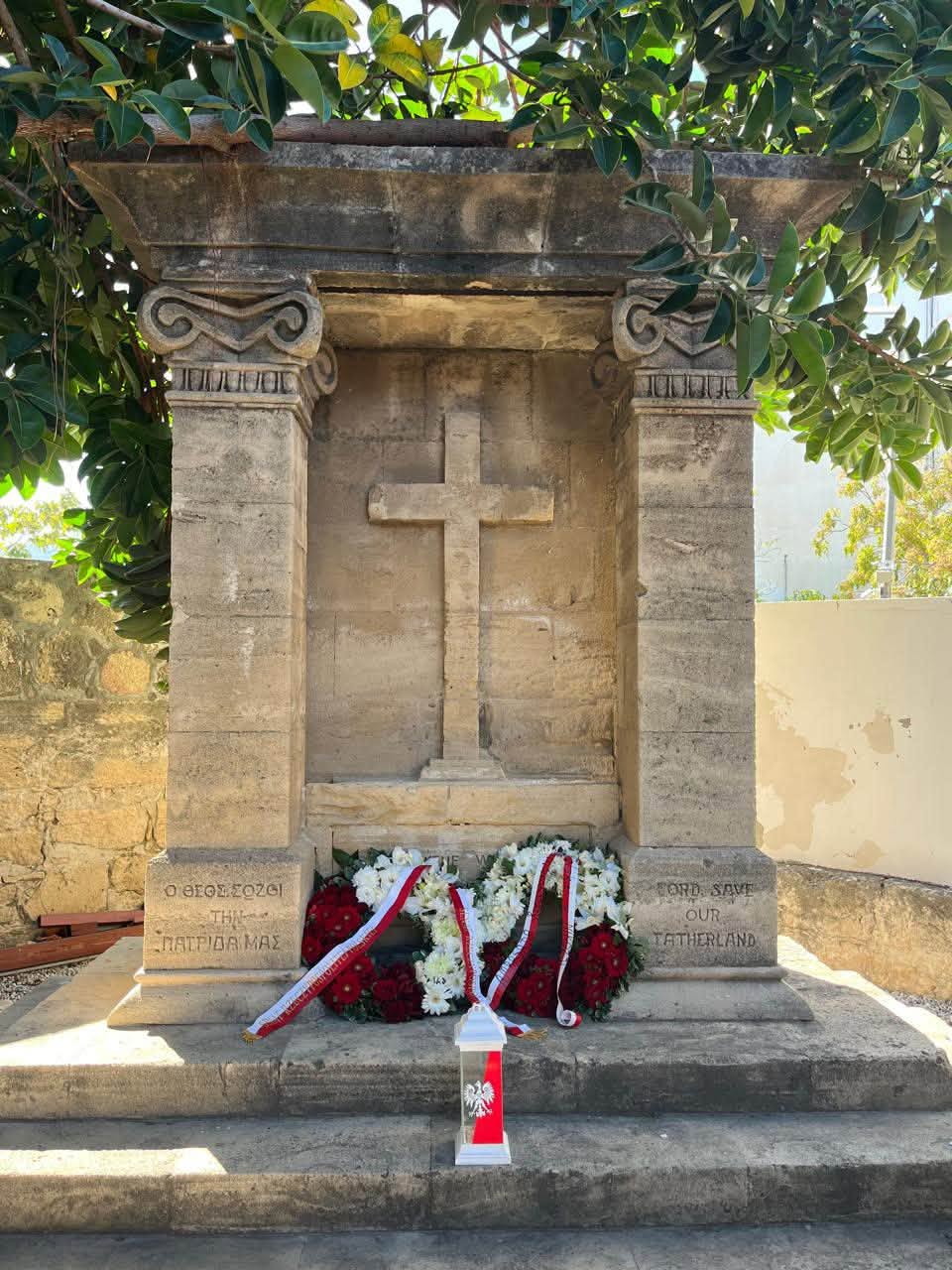
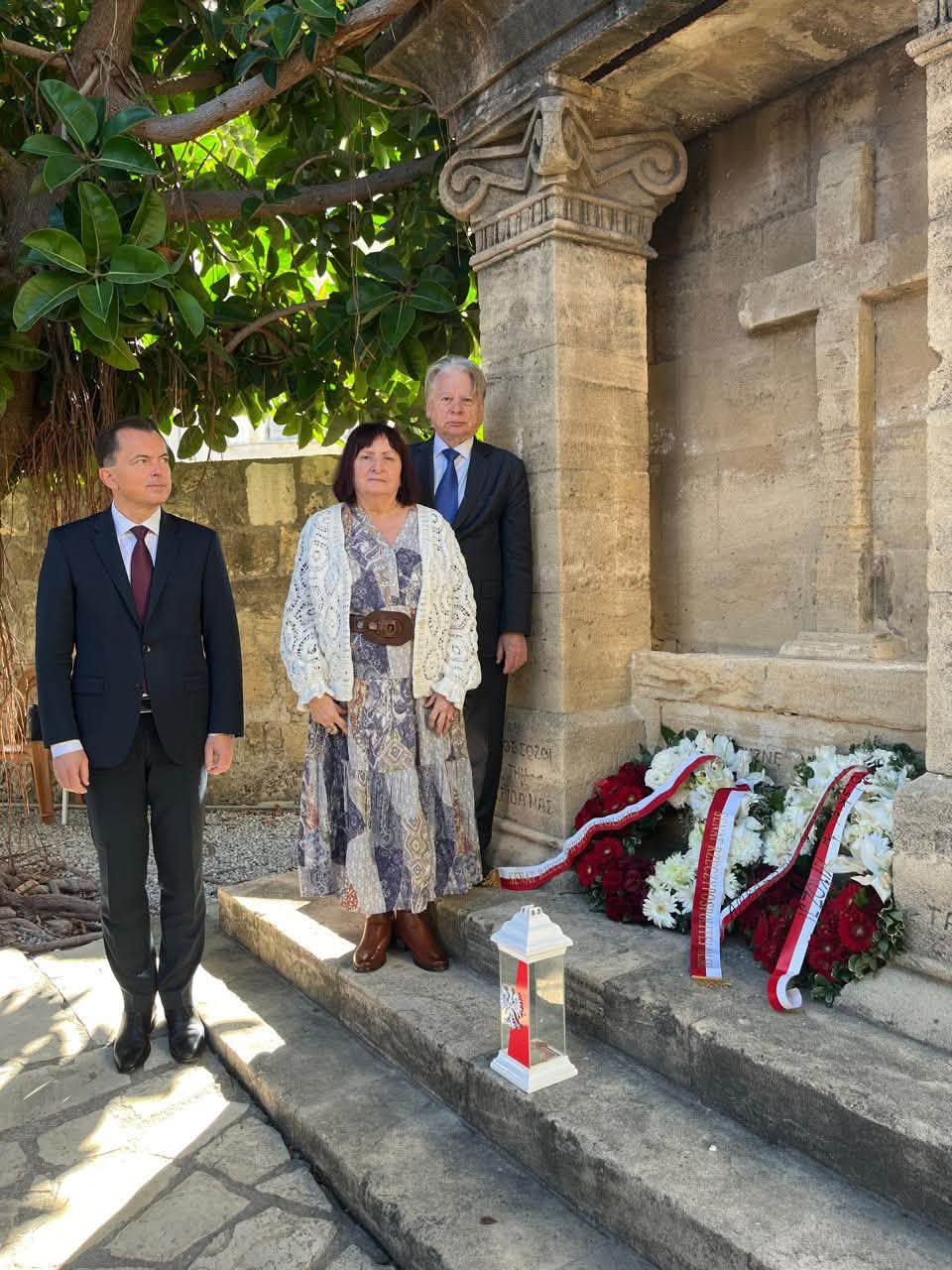
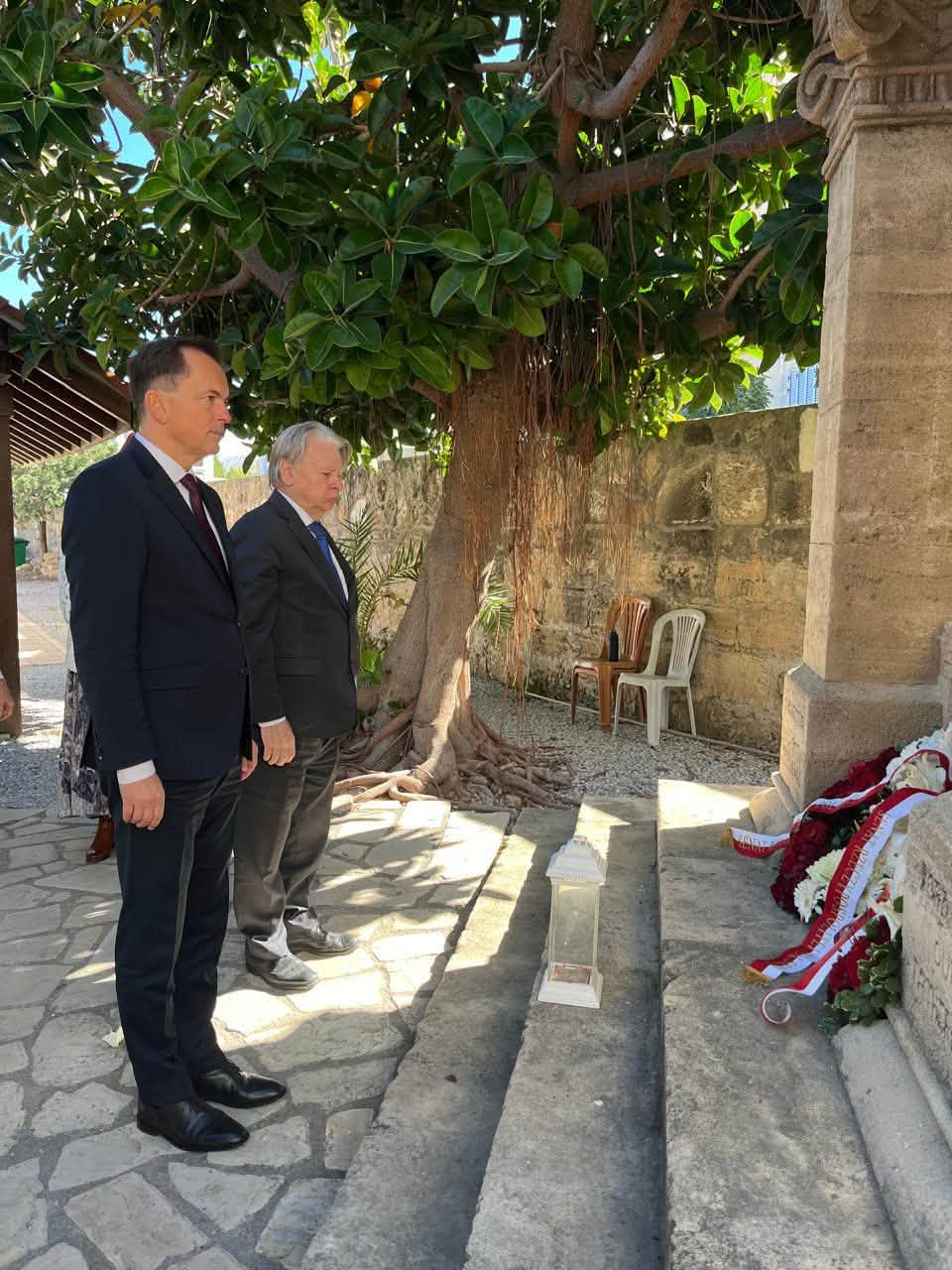
The obelisk was unveiled in 1941, during the celebration of the anniversary of the adoption of the Constitution of May 3It was created thanks to the Poles residing on the island at the time.
The initiator of its construction was Fr. Dr. Emil Drobny from Rybnik, and the project was prepared by Architectural Engineer Wacław BiełaszewskiPolish refugees also got involved in the renovation of the local church.
The monument combines gratitude for shelter with wartime longing for an independent Poland. Its inscriptions include a prayer for the protection of the homeland and the restoration of its freedom.
It was not created only after the war as a memory of past events. It is a testimony left by the refugees themselves – people who did not yet know when they would be able to return to their homeland.
After the defeat of the September Campaign, some Poles found themselves in Hungary and Romania. For others, the path ahead led to Cyprus, then a British colony.
In September 1940, hundreds of Polish refugees arrived on the island. Among them were public figures, intellectuals, and families seeking a safe haven. One of the most prominent was a writer and reporter. Melchior Wankowicz.
This stay, however, did not mean the end of their wartime journey. In June 1941, after the fall of Greece and the occupation of Crete by the Germans, the decision was made to evacuate. There were fears that Cyprus might also become a target of attack.
On June 11, 1941, a group of 471 Poles left the island on the British steamer Rodi. The monument in Kyrenia remains a permanent trace of their presence.
Kyrenia Monument - Key Information
| Place | Courtyard of the Church of St. Elizabeth of Hungary in Kyrenia |
|---|---|
| Unveiling | 1941, celebration of the anniversary of the Constitution of May 3 |
| Founders | Polish refugees staying in Cyprus |
| Initiator | Rev. Dr. Emil Drobny |
| Designer | Architectural Engineer Wacław Biełaszewski |
| Renewal | 2005 |
The laying of wreaths at the monument is part of the annual commemoration of Polish refugees on National Independence Day. Representatives of Polish diplomacy and the Polish diaspora gather here, revisiting a history dating back over eight decades.
Earlier celebrations are documented, among others, by a report from November 11, 2019, when the then ambassador Irena Lichnerowicz-Augustyn laid a wreath together with representatives of the institution and clergy.
The monument also remains a place of visit for Polish delegations on other occasions. In January 2020, representatives of the embassy and the Institute of National Remembrance paid tribute to refugees here.
The monument stands in the courtyard Church of St. Elizabeth of Hungary in Kyrenia, near the old port, opposite the Dome Hotel. On maps, the church can be found under the name St Elizabeth of Hungary Roman Catholic Church.
The map shows the church's location. The monument is located in its courtyard. Accessibility depends on the church grounds.
Check directions on Google MapsIN 2005 The monument was restored thanks to the efforts of the Polish community and the Polish Embassy in Nicosia. The rededication took place September 4, 2005.
This year's ceremony, attended by Ambassador Marek Szczepanowski and Senator Bogdan Borusewicz, continues this tradition. It serves as a reminder that Poles' ties to Cyprus also encompass the wartime experience of refuge, the aid they received, and the hope of returning to a free homeland.
Sources: Polish Embassy in Nicosia, Institute of National Remembrance, "Trails of Hope. Odyssey of Freedom" portal.