Supported by


Ochi Day in Cyprus was celebrated as early as 1941, during World War II and when the island was still a British colony. The first anniversary of the Greek resistance to the Italian ultimatum was marked by services, flags, and fundraising. The celebrations in Paphos were particularly significant.
The tradition was co-created by the Orthodox Church, social organizations, trade unions, and the left-wing AKEL party. The commemorations served to commemorate the fallen and offer assistance to Greece, but also provided an opportunity to assert the rights of Greek Cypriots against the colonial authorities.
Today's commemorations on October 28th have their origins in a time when the war's outcome remained uncertain. Greece rejected the Italian ultimatum in 1940. A year later, on the first anniversary of that event, it was already under Axis occupation.
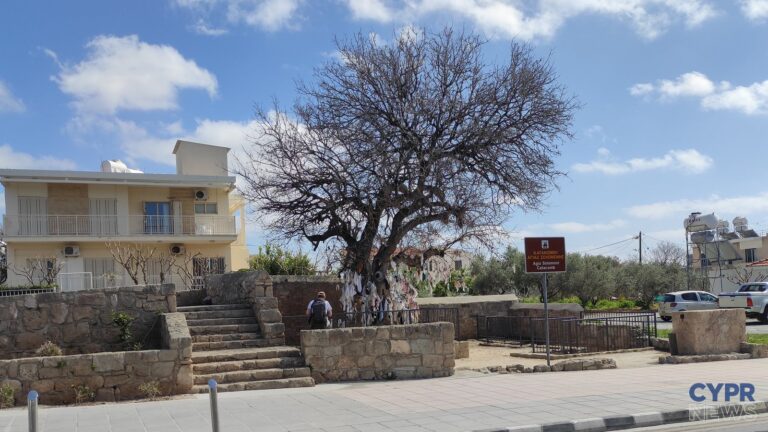
In Cyprus, the memory of the Greek resistance quickly found public expression. As historian Petros Papapolyviou describes in a study published by "Philenews," a key center for the initial celebrations was Paphos. Metropolitan Leontios, who was then the archbishop's deputy, resided there.
In Larnaca, the EPA organized a memorial service for the fallen at the Church of St. Lazarus. The organization's offices, headquarters, and shops were decorated with flags. The press published patriotic texts and memoirs of Cypriot students who survived the October 28, 1940, events in Athens.
The memorial was accompanied by material support. Collections were organized, and the Faneromeni Temple in Nicosia donated £350—an amount cited by the historian as a particularly significant donation.
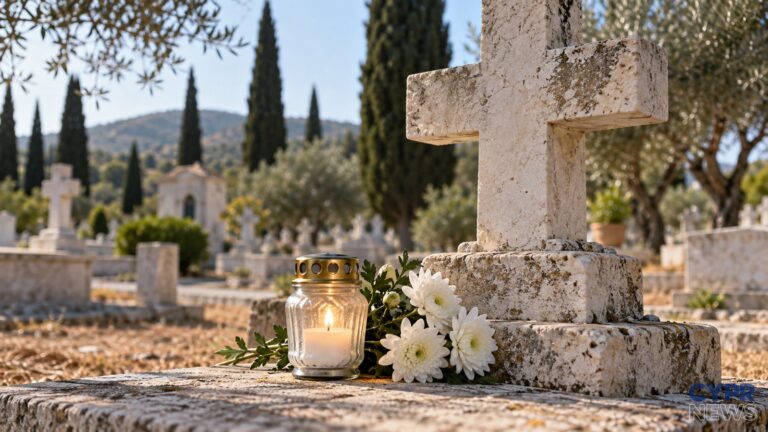
In 1942, the celebrations spread to other towns and villages. At the Cathedral of St. John in Nicosia, Metropolitan Leontios presided over a service for the soldiers and civilian victims of the war. A symbolic empty tomb covered with a Greek flag was placed in the church. Among the participants were students from the capital's schools.
One detail illustrates what the celebrations were like under British administration. Sixty merchants on Ermou Street requested permission to close their shops during the service. The Nicosia administrator allowed them to stop working, but stipulated that the shops should reopen after the prayers.
The anniversary was not yet a public holiday operating under the terms familiar to today's islanders. Public celebrations took place under colonial control.
In addition to religious services, meetings were organized with speeches and artistic programs. In Nicosia, the AKEL district committee organized a celebration at the "Magiko Palati" in 1942. Amateur actors from the AKEL association performed a play by Teukros Anthias, and the proceeds were used to purchase food for Greece.
In Larnaca, the meeting took place at the trade union headquarters. In Famagusta, the commemorations were organized by the anti-fascist commission with the participation of AKEL, trade unionists, and associations, including Anorthosis. Greek refugees from the Aegean islands also participated in the ceremony.
The common point of reference remained resistance to fascism. However, individual organizers also imbued the celebrations with their own religious, social, and political overtones.
During meetings in Nicosia and Limassol, resolutions addressed to the British Governor were adopted. Participants in the AKEL celebrations in the capital demanded the restoration of Greek history's rightful place in Cypriot schools, protesting against colonial restrictions and interference in its teaching.
Church prayers, however, included calls for an Allied victory and the unification of Cyprus with Greece. This was a postulate of enosis, a prevalent theme in the political life of the island's Greek community at the time.
In 1943, a ceremony was held in Nicosia's Faneromeni at the initiative of the Greek Consulate. The British Governor also attended. Although the war was still ongoing, the anniversary had already become ingrained in Cypriot public life.
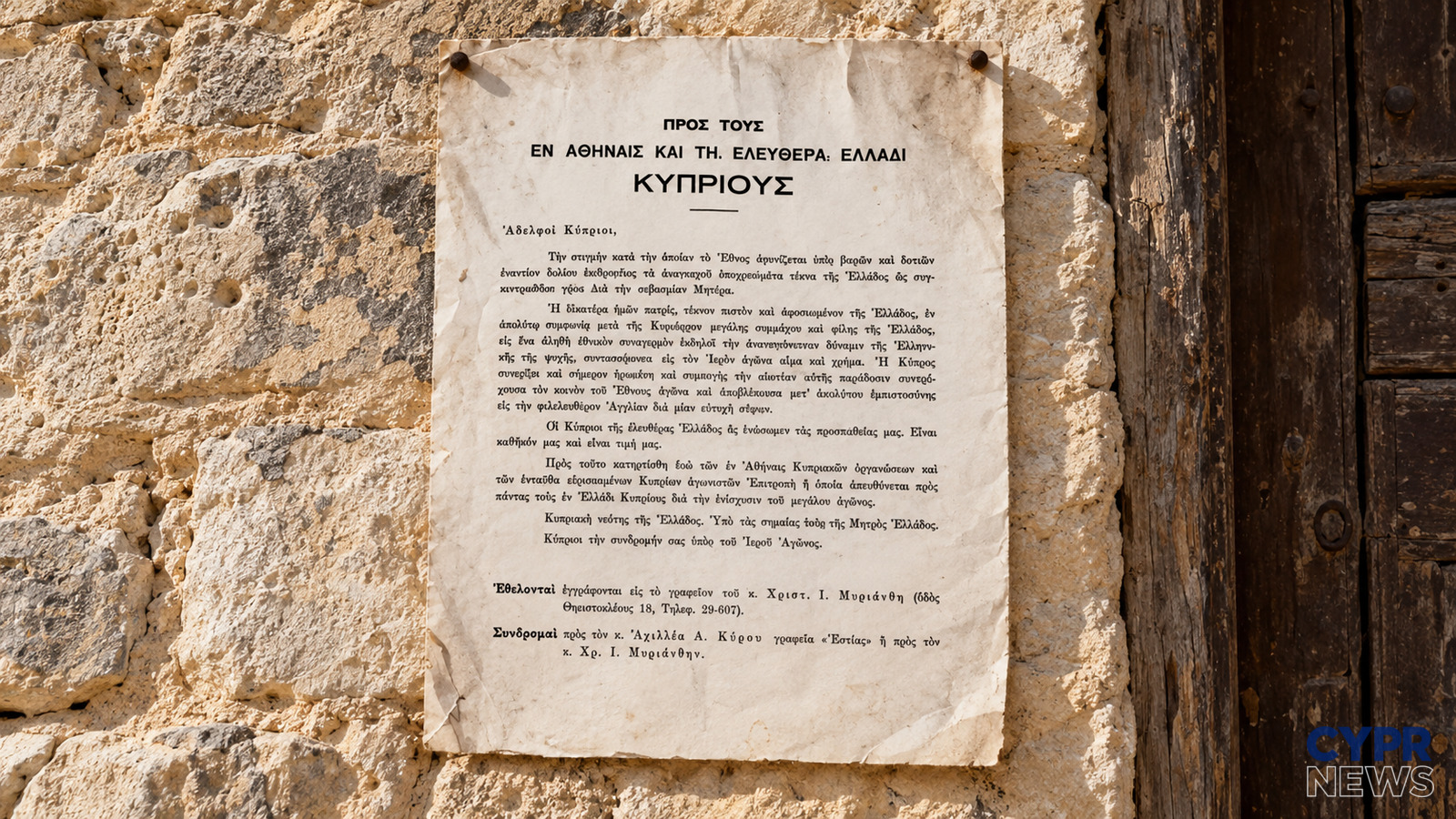
Cypriot involvement preceded the first anniversary celebrations. Papapolyviou cites a proclamation from Cypriot organizations in Athens, preserved in his private archives. The document encouraged people to enlist in the Greek army and make donations. It is undated, but the historian attributes it to the first ten days of November 1940.
The largest group of Cypriot volunteers, based primarily on students of the University of Athens, joined the Greek army on 14 December 1940.
The history of the commemorations thus demonstrates why the Greek anniversary has acquired such profound significance on the island. For some Cypriot families, the war meant the personal involvement of loved ones, while for organizations and local communities, it meant fundraising, helping refugees, and fighting to preserve their own identity.
Sources: Philenews - prepared by Petros Papapolyviou, Περί Ιστορίας, Greek Ministry of Foreign Affairs.