Supported by


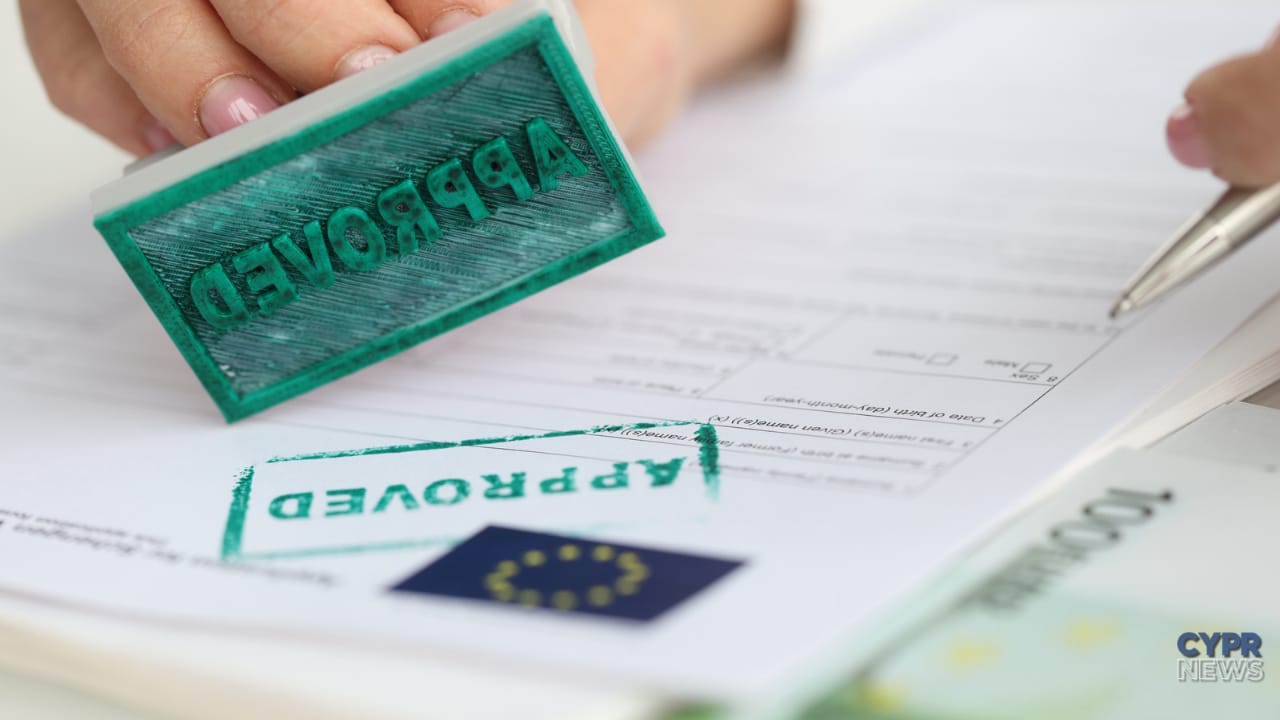
Cyprus's entry into the Schengen area remains the government's goal, but a positive technical assessment was not enough to secure approval for accession. According to Politis, member states are still awaiting clarification regarding the Green Line and the British-controlled crossings in the Dhekelia region.
The Netherlands and Austria are said to have expressed the most reservations, although — as the newspaper reports — they are not the only countries with questions. The date for full entry into Schengen has not yet been set. The key issue is how to effectively record the movements of travellers without treating the Green Line as the external border of the European Union.
In July, the European Commission adopted a positive assessment of Cyprus's technical readiness. This includes the preparation of the infrastructure, systems, and regulations necessary to apply Schengen rules.
Panicos Pourgourides, head of the Commission's delegation on the island, told Politis that the report had been submitted to the European Parliament and the EU Council. It was presented to member states in September.
However, the final decision rests with the Council and requires unanimity. Therefore, objections from one country could hinder the completion of the procedure, even if the technical assessment is positive.
One of the most important questions concerns EES system, an electronic register of entries and exits. It covers certain categories of non-EU citizens traveling for short stays to countries using the system.
The EES records, among other things, travel document and biometric data. It helps determine when a traveler entered, when they left, and whether they overstayed their authorized stay.
Let's imagine the following situation: after Cyprus joins Schengen, a third-country national arrives in Larnaca. His entry is registered. He then crosses the Green Line and leaves the island via the airport in the north.
Without an appropriate mechanism, the European system could record entry but not actual exit. It is precisely this gap that raises the concerns described by Politis.
| Place | Problem to solve |
|---|---|
| Green Line | Ensuring effective control and registration of travel without changing its status at the EU external border. |
| Pergamos and Strovilia | Agreeing on the rules for control at the crossings located on the premises of the British Dhekelia base. |
A positive technical assessment does not replace the unanimous decision of the countries to fully join Schengen.
Green Line is not the external border of the EUCrossing it is governed by separate regulations that provide for checks on persons and serve, among other things, to prevent illegal migration and security threats.
The solution to the problem, therefore, is not simply installing additional devices at crossings. A mechanism must be agreed upon that will ensure the effectiveness of controls required by Schengen while simultaneously preserving the special status of the dividing line.
According to Politis, questions are being raised not only by politicians but also by security and migration services in member states. They expect solutions that will work in practice.
The second issue is Pergamos and Strovilia, located in the area of the British Dhekelia base. British authorities exercise control there, while the UK is neither a member of the EU nor of Schengen.
Therefore, arrangements for the implementation of controls and the exchange of information are needed. This does not mean annexing British territory to the Republic of Cyprus, but rather establishing responsibilities and procedures.
For now, travel rules remain unchanged. Flights between Cyprus and Poland still involve border controls. After full accession and the abolition of controls on these connections, travel would take place within the Schengen area.
The EES is a separate issue: it does not apply to Polish citizens exercising their right to free movement within the EU. Cyprus does not currently apply this system. The issue at hand concerns the preparation of rules for future accession.
According to information provided by Politis, the issue of Cyprus's accession was not included in the agenda of the Justice and Home Affairs Council meeting on October 1-2 in Luxembourg.
This is not a decision to reject the candidacy. However, it shows that a positive assessment of the preparations has not concluded the negotiations, and the specific date for the lifting of border controls remains unknown.
Sources: Politis, European Commission - information on EES, EUR-Lex.