Supported by


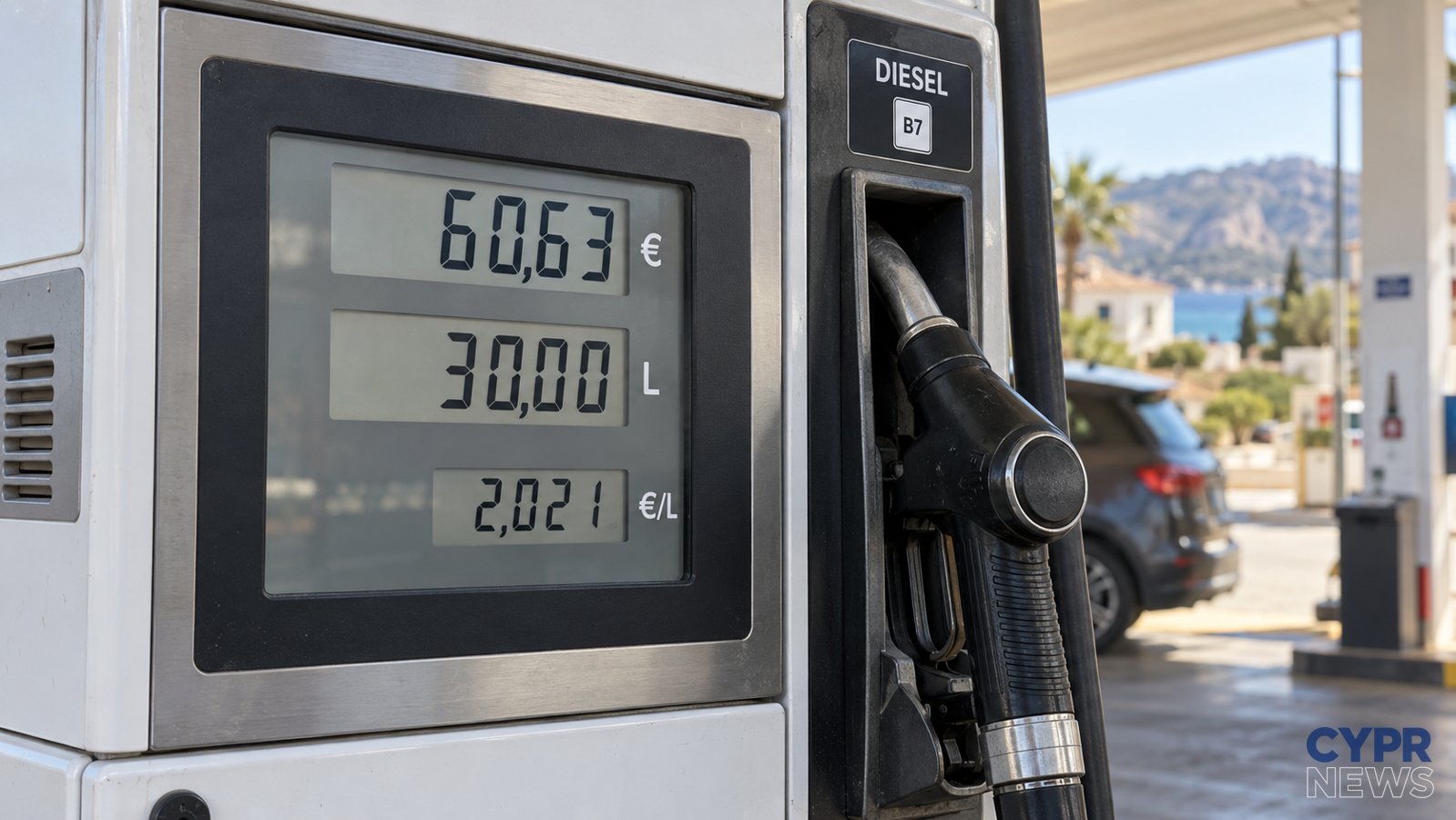
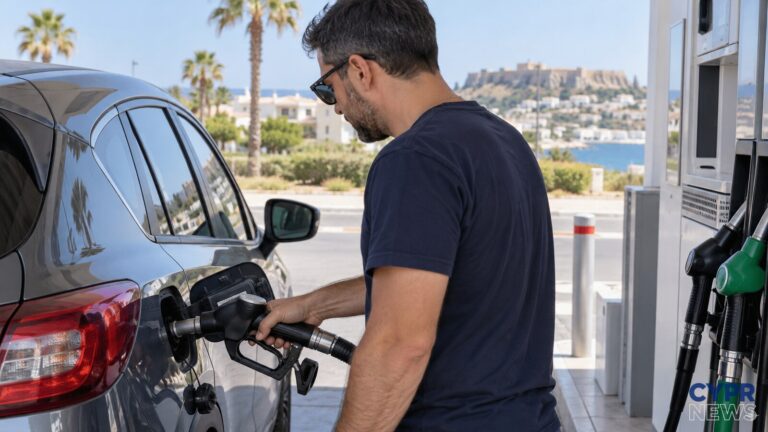
Gasoline prices in Cyprus rose by 3.8 percent in September compared to August, according to Eurostat data released on October 21. This was the smallest increase among EU countries where gasoline prices increased. In Poland, the increase was 9.7 percent, compared to the EU average of 6.7 percent.
This, however, doesn't mean cheap fueling or a drop in prices. The entire category of fuels and lubricants for private vehicles in Cyprus was 24.6% more expensive than a year earlier. Finance Minister Makis Keravnos also warned that the government's goal is to curb cost increases, not achieve significant reductions.
The September report shows differences in the pace of price increases. The largest monthly increase in gasoline prices was recorded in Sweden, at 13.8 percent. Poland was next with 9.7 percent and Estonia with 9.5 percent.
At the other end of the spectrum were Cyprus, Romania, and Slovenia, where gasoline prices rose by 3.8%, 4.2%, and 4.6%, respectively.
Malta is a significant exception. According to Eurostat, petrol and diesel prices have been fixed there since 2020, so no change was recorded. Cyprus therefore had the smallest increase, but not the lowest price change, in the entire EU.
| Country/area | Gasoline price change |
|---|---|
| Cyprus | +3,8% |
| EU average | +6,7% |
| Poland | +9,7% |
| Sweden | +13,8% |
The comparison refers to the rate of price change, not the price per liter of fuel. In Malta, petrol and diesel prices remained unchanged.
Compare petrol and diesel prices in your region. Before your trip, check the latest data updates and the price at your chosen station.
CHECK FUEL PRICES IN CYPRUSA separate indicator is the annual change in the price of fuel and lubricants for private vehicles. In Cyprus, it was 24.6 percent, towards 19.1 percent in August.
This is a broader category than just gasoline. Therefore, it shouldn't be compared directly to the monthly increase of 3.8%. Both figures represent different periods and different product ranges.
For drivers, this means that a slower increase in one month could coexist with significantly higher costs than a year earlier. There's no contradiction here: prices are still rising, although the pace of change varies across countries.
Ranking percentage changes doesn't answer the question of where fuel costs the least. Such a comparison requires prices per liter for the same fuel and over the same period.
Similarly, September data should not be considered as current pricing. Eurostat describes price changes for the past month, and stations may make further adjustments later.
Both the pace of price increases and the actual amount paid at the pump are important for the household budget.
Makis Keravnos said on October 20 that the government's current policy is focused on containing fuel price increases. He emphasized that, under current conditions, significant price decreases are not expected.
He also announced monitoring of the effects of protective measures. However, his statement did not constitute an announcement of new price reductions at gas stations.
Cyprus' September result is more favorable than many other countries in terms of the pace of gasoline price increases. However, the most important thing for drivers is that refueling prices continued to rise.
Sources: Eurostat, Cyprus Mail.