Supported by



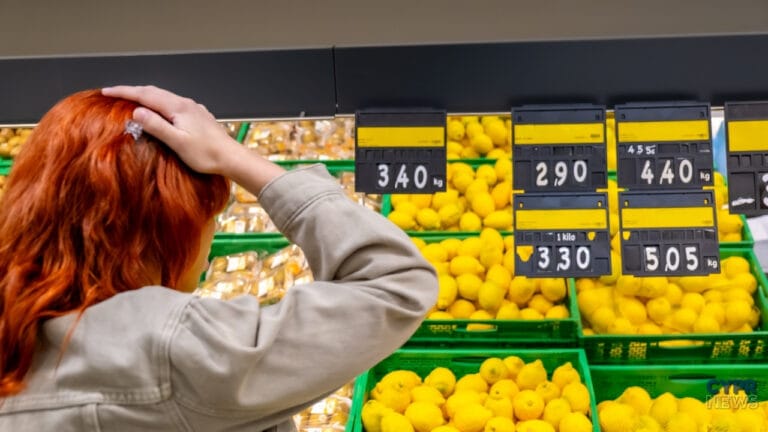
Supermarket shopping today looks different than it did just a few years ago. Customers visit stores more often, buy smaller quantities, compare promotions across multiple chains, and are increasingly willing to choose private label products.
Despite rising prices, retail is doing well. July and August saw high customer numbers and good turnover, but industry representatives admit that consumers have become much more cautious and are less likely to put items in their shopping carts they don't truly need.
The change is especially visible in grocery stores.
Andreas Hadjiadamou from the Pan-Cypriot Supermarket Association points out that customers are visiting stores more often than before, but are no longer stocking up on supplies for home.
As a result, a single basket may be smaller, but the number of visits to supermarkets increases.
Consumers are becoming less and less attached to one store.
Instead of shopping all at one chain, they check for promotions in several places. They buy some products at a large supermarket and then shop for others at smaller local shops.
Trade representatives emphasize that consumers are much better prepared for shopping today.
They compare prices, follow offers and are more likely to give up on products that are not necessary to purchase.
This behavior is influenced by both higher prices and uncertainty related to the economic situation and events in the region.
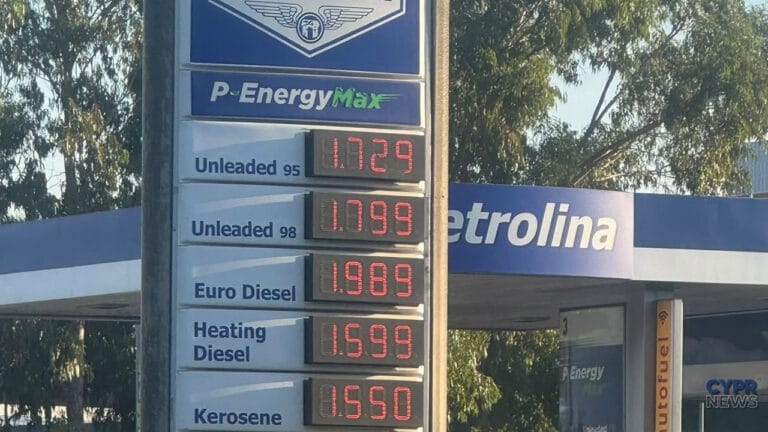
Fuel costs are also important and can impact the household budget.
CHECK ALSO
Fuel prices can vary even between stations in the same region. Check current fuel prices.
Supermarkets, for their part, are trying to limit price increases by negotiating with suppliers and concluding agreements that are intended to ensure greater price stability.
The change in customer behavior occurs during a period of significant pricing pressure.
According to the Harmonized Index of Consumer Prices (HICP), prices in July 2026 were on average 4.4% higher than a year earlier.
In the case of food and non-alcoholic beverages, the increase was 4,54%.
Housing and electricity costs increased by 6,98%, while restaurants and accommodation services were more expensive by 11,95%.
One of the few categories where prices dropped was clothing and footwear – 5,24% compared to July last year.
Rising prices are also increasing interest in products sold under supermarkets' own brands.
According to Marios Antoniou from the Pancyprian Retail Association, consumers increasingly treat them as good quality and cheaper substitutes for well-known brands.
The offer of such products is also much larger than a few years ago.
No longer limited to a few basic grocery items, private labels are increasingly encompassing more product categories available on supermarket shelves.
There are no precise data yet showing their share of sales for the local market. By comparison, in Greece, private label products already account for approximately 26% of food sector turnover.
The change in the way we shop has not yet translated into a decrease in the total sales volume.
Cystat data shows that in the first half of 2026, the turnover volume in supermarkets, in the category covering mainly food, beverages and tobacco products, increased by 4,9% compared to the previous year.
Customers therefore buy differently, but not necessarily less throughout the month.
Instead of making one large purchase, they are increasingly making several smaller purchases.
CHECK ALSO
Looking for products from Poland? We've rounded up stores in the Limassol, Larnaca, and Paphos areas: Polish shops in Cyprus.
Good trade results are influenced not only by the way current residents spend their money.
Marios Antoniou also highlighted the growing number of foreigners living and working on the island. He specifically mentioned citizens of Israel, Russia, and Ukraine.
Their daily spending expands their customer base and supports trade growth.
According to industry representatives, this is also one of the reasons for the interest in the island from new retail chains and investors planning new shopping centers.
The end of August traditionally brings another important impulse for trade.
After the summer sales and tourist season, back-to-school shopping is starting to pick up.
School supplies are among the strongest non-food product categories throughout the year. According to trade representatives, only the pre-Christmas period brings in higher sales.
Demand begins to increase in August and peaks in the first part of September, when families return from vacation and prepare children for the start of the school year.
Sources: KYPE, Cystat