Supported by


The number of West Nile virus cases reported in Cyprus has risen to 14. As of September 17, nine infections have been laboratory-confirmed, and a further five have been classified as probable. One infection-related death has also been reported since the beginning of this season.
Thirteen of the fourteen cases were considered local, meaning the infection occurred on the island. One case was imported from abroad. Cypriot health authorities are increasing their mosquito control measures, particularly in areas where infections or potential insect habitats have been detected.
In early September, Cypriot authorities reported seven confirmed or investigated cases of infection. The latest tally now includes 14 cases: nine confirmed and five probable.
A probable case is not the same as a laboratory-confirmed infection. It is classified based on symptoms, epidemiological history, and available test results, but does not yet meet all the criteria for laboratory confirmation.
The vast majority of infections have been deemed local. This confirms that the virus is circulating among mosquitoes and birds found on the island, and that cases are not exclusively related to international travel.
The problem is particularly pronounced in parts of Nicosia. Residents are reporting increased mosquito numbers, and local authorities are spraying and inspecting potential mosquito breeding sites.
The creation of new habitats is contributed by, among others:
After heavy rainfall, the number of such spots can increase rapidly. Even a small amount of standing water is enough for mosquitoes to lay eggs.
Spraying can reduce the number of adult insects, but it is not a substitute for removing water from private properties, gardens and balconies.
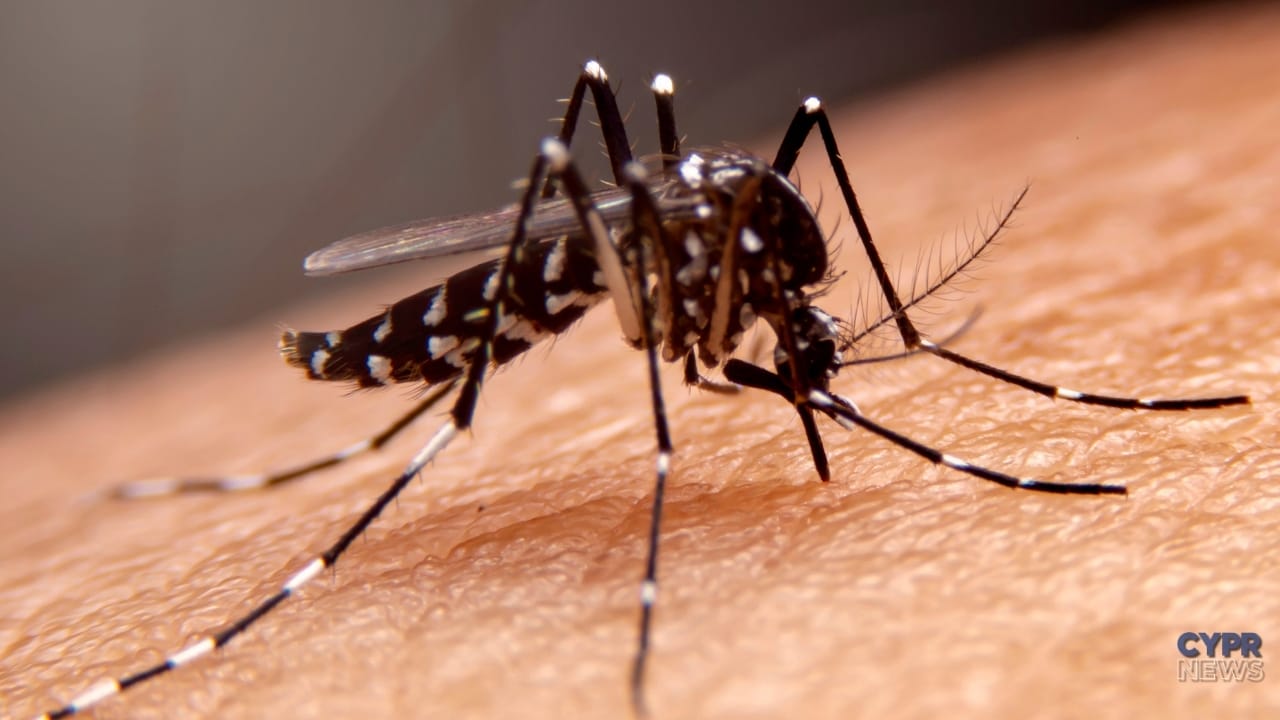
The virus is most often transmitted by mosquitoes that have previously fed on blood from infected birds. Birds are its main natural reservoir.
A person does not become infected through ordinary contact with a sick person, staying in a room together, touching or using the same objects.
In very rare situations, other routes of transmission are possible, including blood transfusion, organ transplantation, or from mother to child. However, blood donation systems have procedures in place to limit this risk.
Not every mosquito carries the virus and not every bite leads to infection.
The World Health Organization reports that most people infected with West Nile virus have no symptoms.
Some people may develop West Nile fever. Symptoms may include:
Symptoms typically appear a few to several days after being bitten by an infected mosquito. In most patients, they are mild, but fatigue and weakness may persist longer.
In a small number of cases, the virus can attack the nervous system and lead to, among other things, encephalitis, meningitis or acute paralysis.
The greater risk of a severe course applies in particular to:
High fever combined with severe headache, stiff neck, confusion, seizures, sudden muscle weakness or impaired consciousness require urgent medical evaluation.
There is currently no approved vaccine for West Nile virus for humans.
There is no specific antiviral drug routinely used to treat this infection. Medical care primarily involves symptom relief, fluid replacement, patient monitoring, and treatment of complications.
In severe cases, hospitalization, intravenous fluids, respiratory support and intensive monitoring may be necessary.
The most important thing is to limit contact with mosquitoes and remove places where insects can breed.
It's worth it:
Mosquitoes of the genus Culexthat can transmit the virus are particularly active from dusk to dawn. It's during these hours that it's worth taking extra care to protect your skin and limiting the number of windows open without mosquito nets.
The increase in cases doesn't mean that everyone bitten by a mosquito will become infected. However, it confirms the local presence of the virus and shows that simple protective measures shouldn't be neglected.
Sources: Ministry of Health of the Republic of Cyprus, Cyprus News Agency, AlphaNews, ANT1, World Health Organization.