Supported by


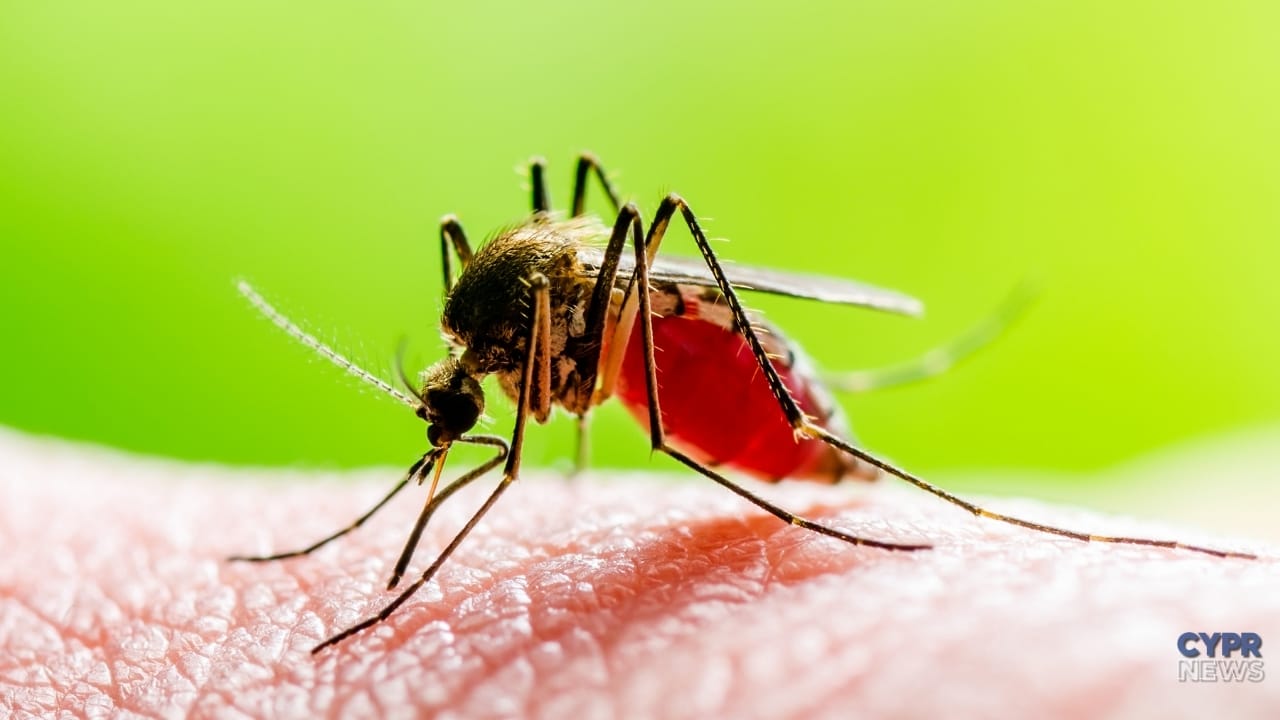
West Nile virus has already been confirmed in eight people in Cyprus this season. Seven cases are from different parts of the Nicosia district, and one is from the Larnaca district. According to the latest information, one elderly person with an underlying health condition has died, and three infected individuals remain hospitalized.
The Ministry of Health emphasizes that a state of emergency has not been declared, but the situation is being intensively monitored. All indications currently indicate locally acquired infections – the patients have no recent travel history. For each detected case, authorities conduct inspections and mosquito spraying at the patient's residence and in the immediate vicinity.
On September 1, the Ministry of Health reported four confirmed infections and two more cases requiring testing. A day later, the number of confirmed cases rose to six.
The latest information already speaks about eight infectionsSeven of the individuals are from different areas of Nicosia District, and one is from Larnaca District. All of the infected individuals were treated at Nicosia General Hospital at some point.
According to information provided to the Cyprus Mail on Thursday, currently three patients are still in hospitalAn elderly person with an underlying health condition has died. The ministry did not provide information to definitively determine whether this was the first person diagnosed with the virus in August.
The first widely reported case was a 74-year-old patient who was admitted to the intensive care unit in Nicosia in mid-August with encephalitis. His condition required intubation.
CHECK ALSO
As of September 2nd, there were four confirmed cases. This is what the situation looked like before the latest update:
https://cyprnews.pl/wirus-zachodniego-nilu-na-cyprze-4-potwierdzone-przypadki-2-kolejne-sa-badane/
This is an important clarification compared to previous information.
On Tuesday, there were reports suggesting that some of the infections may have been imported. However, on Thursday, the Ministry of Health told the Cyprus Mail that none of the patients had a recent travel history, which indicates local infection through mosquito bites.
The European Commission's (ECDC) monitoring system also reported locally acquired cases of West Nile virus infection in Cyprus as early as August 26. Two such cases were reported to the European reporting system at that time, but the ECDC data lags behind current national information.
Virus It is not transmitted through ordinary human contact. – you cannot become infected by being with a sick person, touching them or sharing rooms.
The primary route of infection is the bite of an infected mosquito that has previously acquired the virus from a bird. Very rare cases of human-to-human transmission occur through blood, transplantation, or from mother to child, but this is not the typical mode of transmission.
Once the infection is confirmed, sanitary services first inspect and spray the property where the patient lives.
The activities are then expanded to neighboring properties. Inspections are conducted door to door, and the services are looking for both adult mosquitoes and larvae, as well as places where the insects can breed.
A particular problem is standing water remaining in, among others:
According to Health Services Director Herodotos Herodotou, the period of high mosquito activity is lasting longer this year, and one factor was weather conditions and rainfall leaving more areas with standing water.
Blood donations are also monitored. In Cyprus, during periods of increased mosquito activity, blood is molecularly tested for West Nile virus. Such testing has been used to detect infection in asymptomatic individuals.
It is worth keeping proportions here.
According to ECDC, approximately 80% of infected people do not experience any symptomsAbout 20% may develop West Nile fever, including fever, headache, weakness, muscle aches, vomiting, rash, and fatigue.
Less than 1% of infections result in severe neurological disease., such as encephalitis, meningitis, or acute flaccid paralysis. The risk of severe illness is greater, especially in older people, those with weakened immune systems, and those with certain chronic diseases.
There is currently no human vaccine against West Nile virus, nor is there any specific antiviral treatment. In more severe cases, treatment is symptomatic and supportive.
Eight infections in early September mean that this year's season stands out from recent years.
According to data provided by the Ministry of Health, the highest number of cases was recorded in 2019 – 24Nine infections were recorded in 2023, while none were recorded in 2020, 2021, and 2025.
The current eight cases mean that this year's total is already close to the total number of infections in 2023.
However, this does not constitute an epidemic. The Ministry has not declared a state of emergency, and the number of cases remains low. Services are currently focusing on detecting further infections, blood safety, and limiting mosquito breeding sites.
Source: Ministry of Health of the Republic of Cyprus, Medical and Public Health Services, ECDC, KYPE, Philenews, Cyprus Mail, Politis