Skip to content
Supported by


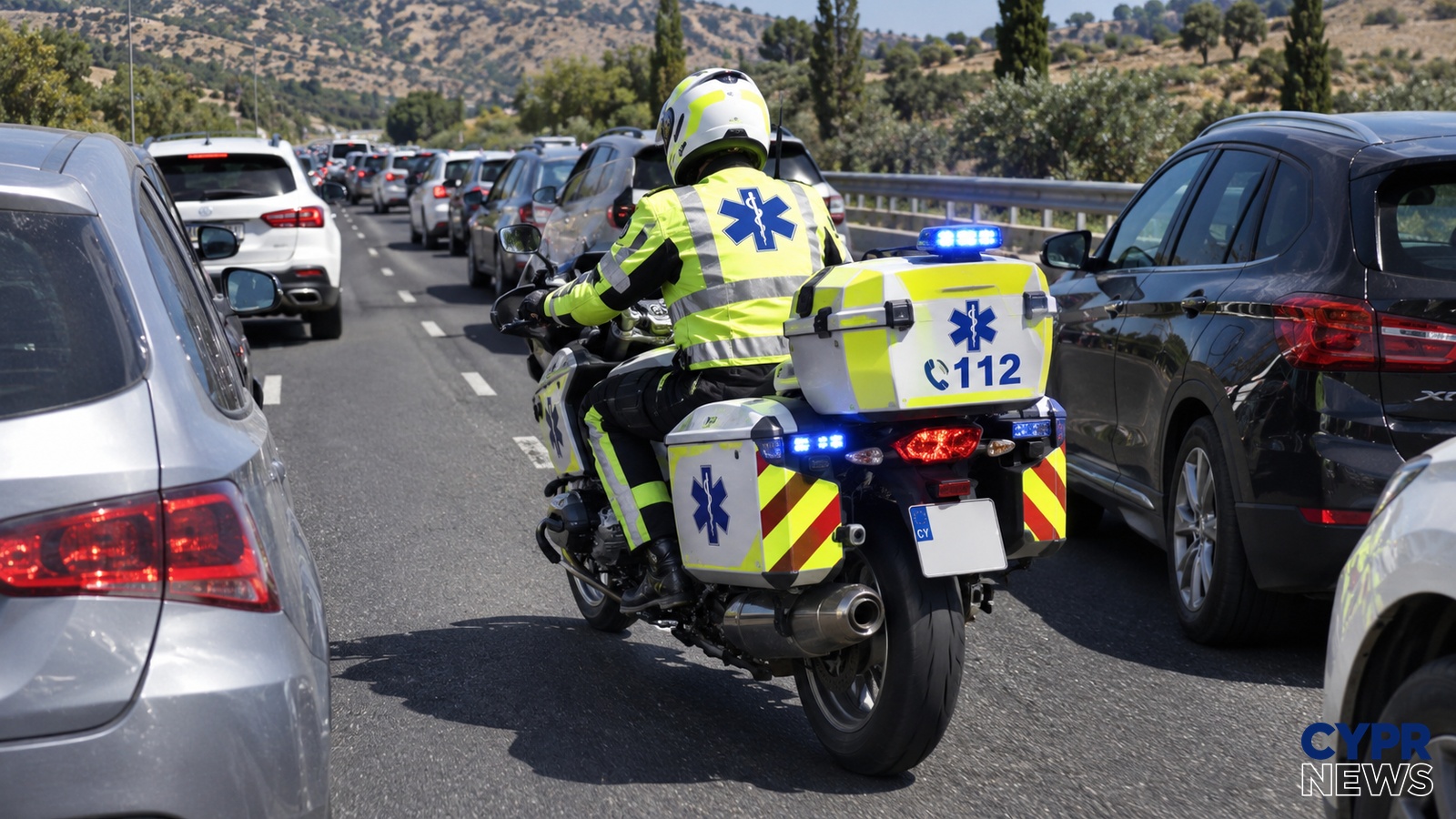
Rescue motorcycles and a strengthened network of ambulance stations are intended to help people in need of urgent assistance more quickly. Health Minister Neophytos Charalambides cited these initiatives as important directions for the development of rescue services. However, he did not provide a timeline or the number of new teams.
During his speech on Tuesday, November 17, he also emphasized the importance of accident prevention and first aid training for residents. He paid particular attention to young road users and motorcyclists.
The Minister emphasized that effective assistance requires both shortening response times and better deployment of rescue teams. In this context, he mentioned the development of rapid response motorcycles and strengthening the network of emergency stations.
A motorcycle allows a rescuer to navigate congested streets more efficiently and begin providing assistance before the ambulance arrives. However, it is not intended for transporting patients to the hospital.
Such teams are already in operation. The minister's announcement therefore concerns the development of an existing solution, not its first launch.
We wrote about the limitations of this service in CYPRNews in early November. According to information provided at the time, four of the 13 rescue motorcycles were in use, while the remaining ones remained unmanned.
This was the situation described in an earlier publication. In his latest speech, the minister did not provide the current number of operating motorcycles or details on the increase in staffing.
He stressed, however, that the state should provide rescuers with appropriate training, equipment and working conditions.
Charalambides emphasized the role of those at the scene. Properly trained witnesses can provide assistance before professionals arrive.
First aid training is intended to strengthen this preparedness and complement the activities of emergency services. The Minister also noted that an efficient system requires the cooperation of various institutions and the training of medical personnel.
Prevention also played a prominent role in his speech. The Minister emphasized that responsible behavior should be taught from childhood—in the family and at school—and then reinforced throughout life.
Information and training activities should take into account risks affecting specific groups, including young drivers and motorcyclists.
The state, however, remains responsible for ensuring safe infrastructure, effective inspections, and coordination of services. The development of rescue services is to be part of this system, alongside measures to reduce the number of accidents themselves.