Skip to content
Supported by


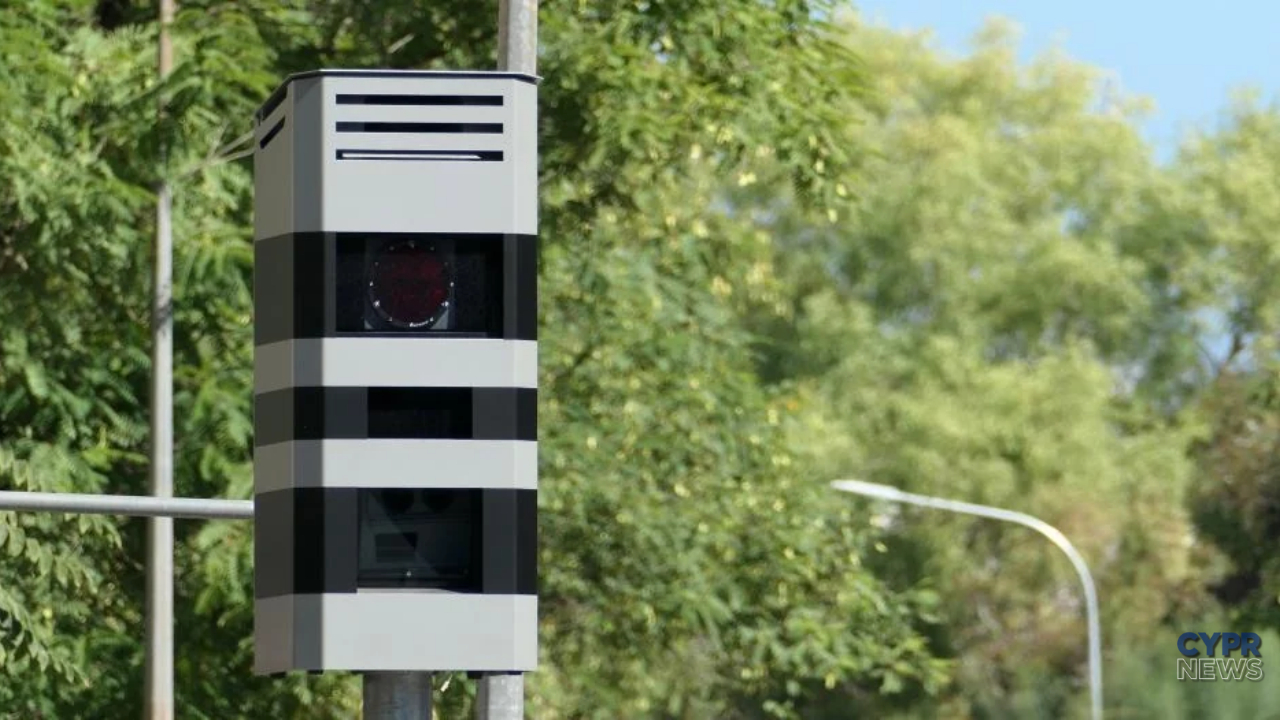
Cameras recorded 68,173 offenses involving rental cars. In over 41,000 cases, the driver could not be identified. Limassol District accounts for the largest share of these violations.
The Ministry of Transport estimates the minimum value of fines for cases involving unidentified drivers at €6.36 million. The regulations being prepared are intended to facilitate the identification of renters and the electronic delivery of fines.
The issue concerns violations recorded since the launch of the camera system, not just in 2026. The data was presented to Parliament by Transport Minister Evanthia Tsolaki in response to a question from DISA MP Prodromos Alambritis.
The report illustrates how difficult it can be to determine who was driving a rental car at the time of the offense. While the camera records the vehicle, the rental company owns it—not necessarily the driver.
According to data provided to Parliament, the driver was identified in 8501 casesIn the following 15,118 cases it was not indicated, and in 41,114 cases he could not be identified.
Paid 3,428 seats, whereas 12 cases was referred to court.
The numbers refer to cases and offenses, not the number of different drivers or cars. Identifying a driver is also not the same as serving and paying a ticket.
The ministry's response includes the amount 7,421,767 eurosHowever, it does not mean that this amount of money has been transferred to the state treasury or that the entire amount constitutes confirmed arrears.
The result consists of:
The second amount was calculated based on the minimum rates for the offenses in question, excluding any additional fees. In cases that go to court, the court determines the potential fine, so the calculation presented here includes a zero.
The Ministry notes that police data is required to determine the amount actually paid and outstanding. Payment information is not recorded in the camera system itself.
The largest proportion of offences related to rented vehicles was recorded in Limassol district — 33%Next came Paphos with 24%, Larnaca with 22%, Nicosia with 17% and Famagusta District with 4%.
There are no stationary cameras in the Famagusta district. Therefore, the results are influenced not only by driver behavior, but also by the location and type of devices.
The Minister explained that the data required additional processing. In the system, rented cars are no longer separated based on the "Z" designation, but are instead included alongside other vehicles registered to companies.
Therefore, obtaining a complete and completely reliable picture based solely on rental cars is difficult. This shouldn't be taken to mean that red rental license plates have disappeared from the roads—the statement refers to the way data is classified in the system.
The draft regulations being prepared will require rental companies to provide the police with data needed to identify the driver. The proposed changes also provide for the possibility of issuing fines. By text message or e-mail, taking into account data protection principles.
These are still proposals, not new rules that have already come into effect. Legislative scrutiny of the bill was completed in September; the next step is to present it to Parliament.
It's important for those renting a car to retain their contract and familiarize themselves with the rental company's terms and conditions. If a camera records an offense, the company may receive an inquiry regarding the person using the car.
Data presented by the ministry demonstrates the scale of the difficulties in identifying drivers. Whether the proposed solutions will reduce this difficulty will only be determined once the regulations are finalized and come into force.