Supported by


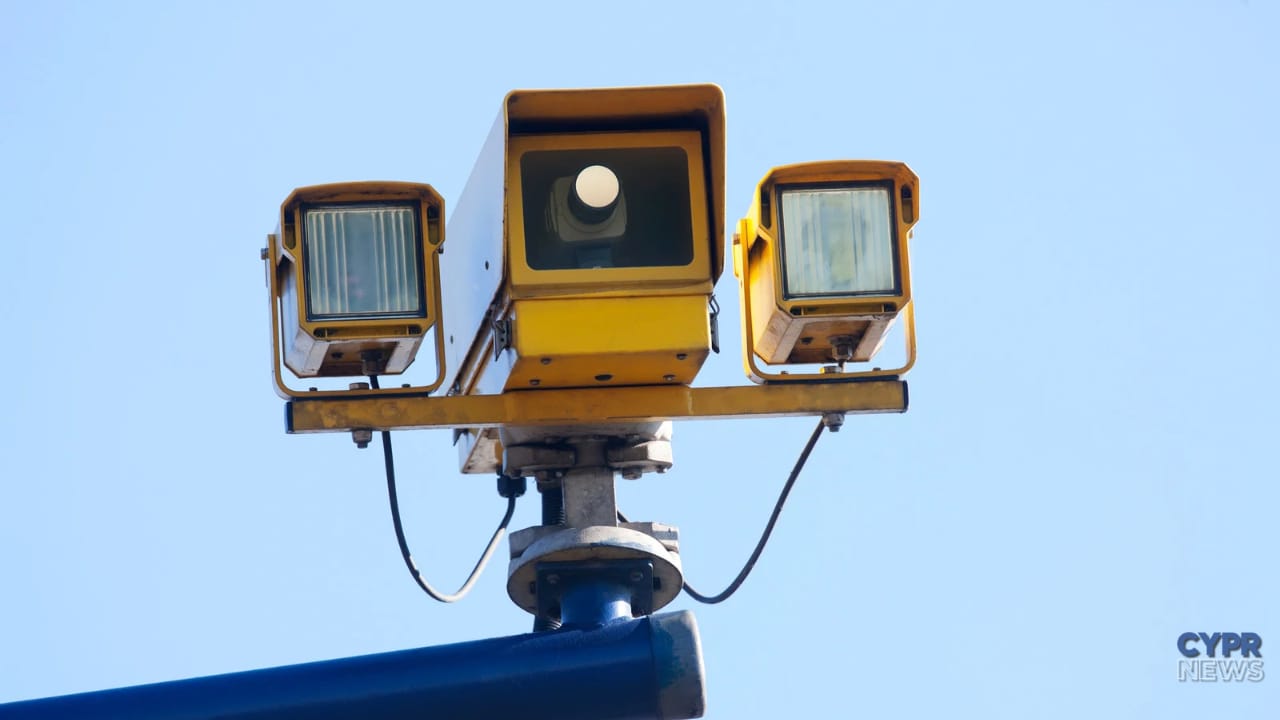
Traffic cameras using artificial intelligence will detect drivers holding phones while driving and those driving without wearing seatbelts. The first location for the new system will be Griva Digeni Avenue in Nicosia, in the Engomi district.
The draft regulations enabling this use of cameras have been submitted for public consultation. This does not yet mean that fines will be issued using the new system. First, the legislative process must be completed and a legal basis for the independent recording of these offenses must be established.
The most important change concerns the start of registration. The new devices will recognize illegal use of a phone or other communication device, as well as the absence of a seat belt, regardless of the vehicle's speed.
A driver won't have to exceed a speed limit or run a red light for the system to register a suspected offense. Detecting one of the behaviors covered by the new regulations will suffice.
The software will analyze images of passing vehicles. Previous announcements indicated that the material selected by the algorithm would then be verified by an officer. Detection of a potential violation by AI should not, therefore, be equated with automatic issuance of a ticket.
Currently operating cameras primarily record speeding and red light violations. The captured image may also show a phone in the driver's hand or an unfastened seat belt.
The difference is that such a photo is created after the infraction that triggered the current system. The new technology will allow for the recording of a phone and the lack of a seatbelt as independent reasons for recording.
| Current cameras | New system with AI |
|---|---|
| They primarily record speed and red light running. | It is also supposed to detect a phone in the driver's hand and not wearing a seat belt as separate offenses. |
| A phone or missing seat belt may be visible in a photo taken after another violation. | Registration will not require prior speeding. |
| They operate within the framework of the applicable control system. | Issuing fines using the new functions requires a change in regulations. |
This isn't a simple matter of updating all existing devices. The police previously explained that the solution utilizes different technology than the current system. Any potential expansion of its range will depend, among other things, on the results of the pilot.
Griva Digeni Avenue was identified as the pilot site back in July. Traffic Police Director Charis Evripidou announced at the time that the tests would verify the devices' reliability and effectiveness.
He also emphasized that no fines would be issued during the pilot phase. A prior change in the law is required to implement the new features in misdemeanor proceedings.
The current consultations are the next stage of preparations. The project envisages adding illegal use of a telephone or other communication device while driving and failure to wear a seat belt to the list of violations monitored by the camera system.
No confirmed date has yet been announced for when the new system will begin penalizing drivers. Simply submitting the bill for consultation does not mean it has been adopted or that all planned features have been implemented.
Holding a phone while driving and not wearing a seat belt can now be grounds for a fine. The change primarily affects the way these violations are detected, not the introduction of new prohibitions.
For drivers, it will be important to note that driving within the speed limit will not prevent the recording of another offense. The new cameras are intended to expand monitoring to include behaviors that the system could previously detect when taking a photo for another reason.
Sources: Philenews, Economy Today, Euronews, government public consultation portal.