Skip to content
Supported by


Renting an apartment in Cyprus is one of the first major decisions made after moving to the island. High demand, high prices, and time pressure make it easy to accept unfavorable terms or pay without adequate security. Before signing a contract, it's important to check not only the rent, but also the deposit, additional fees, the condition of the property, and the lease termination policy.
A good offer can disappear in a matter of hours, especially in the most sought-after locations. However, this shouldn't encourage you to hand over your money before viewing the apartment, confirming the owner's identity, and receiving clear written terms.
The highest demand for apartments is in Limassol, Nicosia, Larnaca, and Paphos. However, the situation varies depending on the city, district, standard of the property, and season.
Limassol remains one of the most expensive and competitive markets. Demand is high, particularly from employees in international companies, the financial, technology, and shipping industries. In tourist destinations, housing availability can fluctuate seasonally.
Before you start your search, it is worth setting a maximum monthly budget that includes not only rent, but also:
One of the biggest threats is fake listings. Scammers may post photos of apartments they have no rights to and then demand a deposit to "reserve" the property.
Particular caution should be exercised in situations where the person publishing the offer:
Before paying a deposit, you should view the property, check the address and make sure that the person offering the apartment is the owner or is acting with the appropriate authorization.
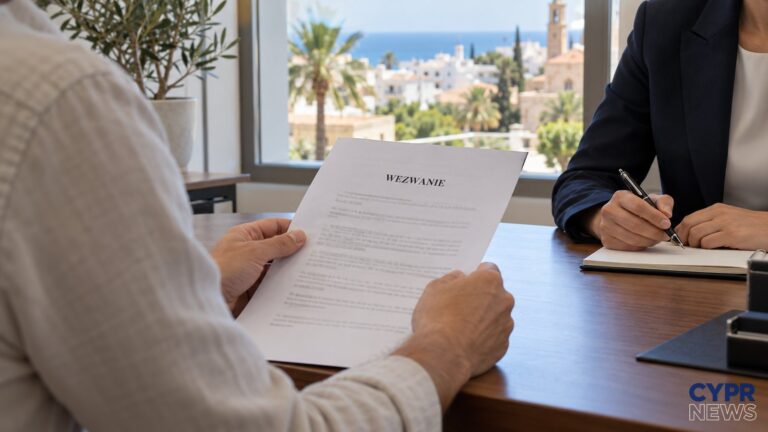
A written lease agreement is fundamental protection for both the tenant and the landlord. It should be understandable, signed by both parties, and contain all the most important agreements.
The contract should indicate, in particular:
The Cypriot administration indicates that before signing the contract, it is necessary to establish, among other things, the duration of the lease, the amount and method of payment of rent, the conditions for extension and termination of the contract, responsibility for electricity, water, common charges and repairs.
Do not rely solely on verbal assurances. All important agreements should be included in the contract or a written addendum.
Lease agreements in Cyprus are often prepared in English. The parties may also use another agreed-upon language, but the tenant should thoroughly understand each provision before signing.
If a document contains clauses you don't understand, it's worth asking for it to be sent to you in advance and consulting with a lawyer or translator. Don't sign a contract just because the landlord claims it's a "standard document."
Landlords typically require a deposit equivalent to one or two months' rent. However, there is no single rate applicable to all contracts.
The document should specify precisely:
The tenant should receive confirmation of payment. It's also worth making sure that any deductions from the deposit must be justified and presented in the settlement.
A deposit should not automatically be treated as payment for the last month of the tenancy unless the landlord has expressly agreed to this in writing.
From July 1, 2026, rent for properties located in the Republic of Cyprus must be paid by bank transfer, card, or other recognized electronic payment method. This obligation applies to both individuals and legal entities, regardless of the rent amount or the use of the property.
Cash payments, including bank deposits, do not meet current requirements. Electronic payment receipts must be retained for the duration of the lease.
In the transfer title, it is worth including the month for which the payment is made and the address of the apartment, for example:
Rent August 2026 – [address]
Deposits, commissions and other payments are also best transferred in a way that leaves clear evidence of the transaction.
As of January 1, 2026, stamp duty regulations have been abolished in Cyprus. Lease agreements prepared and signed from this date onward are no longer subject to mandatory stamping.
Older contracts that were prepared and signed by at least one party no later than December 31, 2025, remain subject to the earlier rules.
This means that stamp duty should not be automatically added to a new contract signed in 2026. In the case of older documents, it is worth checking whether the obligation has been properly fulfilled.
Before collecting the keys, you should thoroughly document the condition of the property. It's best to prepare a report listing any equipment and any existing damage.
You should pay attention to, among other things:
It's a good idea to take photos and videos on the day you take possession of the apartment and send them to the landlord via email. This will provide confirmation that specific damages existed before the lease began.
The report should also include the initial readings of the electricity and water meters.
The appearance of an apartment during a short tour may not reveal all the problems. Particular attention should be paid to moisture, leaks, and the condition of the insulation.
In older buildings, common problems may include:
It's worth asking your landlord for approximate energy bills from previous months. Low rent may no longer be attractive if the apartment is expensive to cool in summer and heat in winter.
Before signing the contract, it should be determined which fees are borne by the landlord and which by the tenant.
Most often, the tenant pays:
Community fees for maintaining common areas, the elevator, swimming pool, or gardens may be covered by the landlord or passed on to the tenant. This rule should be clearly stated in the contract.
You also need to check:
The contract should specify whether the meters remain registered to the owner or are transferred to the tenant.
If bills are in the landlord's name, the tenant should be able to receive copies. Payments should not be made solely based on a message stating the amount without providing a receipt.
Before taking over the apartment, it is worth making sure that the previous tenant has not left any outstanding debts.
The contract should distinguish between minor maintenance activities and major repairs to the apartment and its equipment.
It is necessary to determine who is responsible for, among other things:
It's best to submit a fault report in writing, even if you've already made a phone call. This helps confirm when the owner was notified of the problem.
The landlord's access policy should be outlined in the lease agreement. The agreement may provide for the possibility of conducting inspections or showing the apartment to prospective tenants, but this should be done by prior arrangement.
It is worth avoiding provisions that allow the landlord to freely enter the apartment without notice, except in genuine emergency situations.
The possibility of increasing the rent depends on the type of lease, the content of the agreement and whether the lease is subject to special regulations.
In a fixed-term lease, the landlord should not unilaterally change the agreed rent unless the agreement provides the right to do so. However, an increase may be proposed upon contract extension or at the end of the previous lease period.
Some older properties and certain tenancies may be subject to Cyprus's rent control laws. However, not every tenant is covered by this system. In the event of a dispute, it should not be assumed that the restrictions automatically apply to every apartment.
The contract should specify what will happen if the tenant has to move out early.
You should check:
The lack of a clear clause may mean that the landlord will demand payment for the remaining lease period.
Similarly, you should check in what cases the owner can terminate the contract and what deadline he must meet.
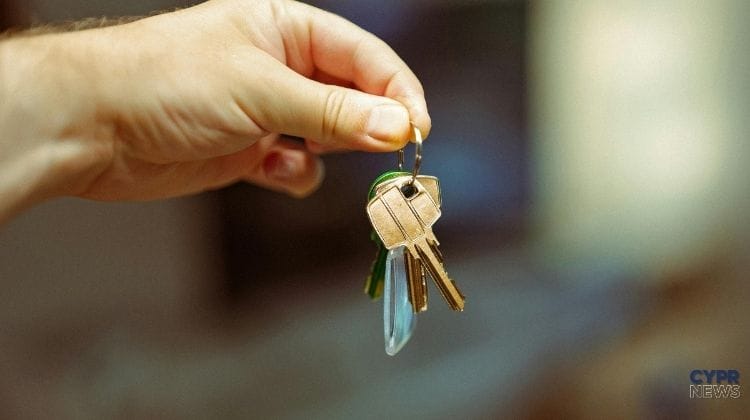
Before handing over the keys, it is worth carrying out a joint inspection of the apartment and drawing up a final report.
The tenant should:
The contract should specify a specific deadline for repayment. If the landlord makes deductions, the tenant should request detailed justification and documentation confirming the costs.
Normal wear and tear resulting from normal use of the apartment should not be treated in the same way as damage caused by the tenant. In practice, however, the assessment can lead to disputes, so photographic documentation from the beginning and end of the lease is crucial.
The contract may be needed when arranging matters related to residence, banking, taxes, school, utility providers or other formalities.
Please ensure that the document includes:
In some cases, a contract alone may not be sufficient. The institution may also request a utility bill, payment confirmations, or a statement from the landlord.
An agent can help you find an apartment, but before paying the commission, you should determine:
Payment should be made only after receiving a document confirming the terms of cooperation and the details of the person or company collecting the money.
Problems most often result from rushing and arrangements made solely verbally.
The most common errors include:
Before transferring money, check:
Renting an apartment in Cyprus requires caution, especially when a good offer must be assessed quickly. However, pressure from the landlord or agent should not lead to paying without first checking the apartment and the terms of the contract.
The most important thing is to sign a clear contract, document the condition of the premises, accurately determine all additional costs, and retain payment confirmations. From July 1, 2026, rent must be paid electronically, and new contracts signed from the beginning of 2026 are no longer subject to stamp duty.

Not every landlord offers a comprehensive contract, but renting without a written document carries significantly greater risk. The contract should specify the rent, security deposit, lease duration, fees, repair policies, and termination conditions.
Most often, landlords expect the equivalent of one or two months' rent. The amount and terms of repayment should be specified in the contract.
This depends on the content of the agreement and the regulations applicable to the specific lease. In a fixed-term agreement, the landlord should not unilaterally change the rent without a basis in the document or law.
No. From 1 July 2026, rent for properties in Cyprus must be paid by bank transfer, card or other recognised electronic means of payment.
No. Contracts prepared and signed from January 1, 2026, are no longer subject to stamp duty. Older documents may still be subject to the previous rules.
There's no single rule that applies to every contract. Parties should clearly establish whether the landlord or tenant is responsible for the fees and state this in the document.
The material was prepared on the basis of: Information from the Cypriot Ministry of Finance, Tax Department, Ministry of Interior, and official materials regarding lease agreements and electronic rent payment. In the event of a dispute or an agreement containing unusual provisions, it is advisable to consult a lawyer.