Skip to content
Supported by


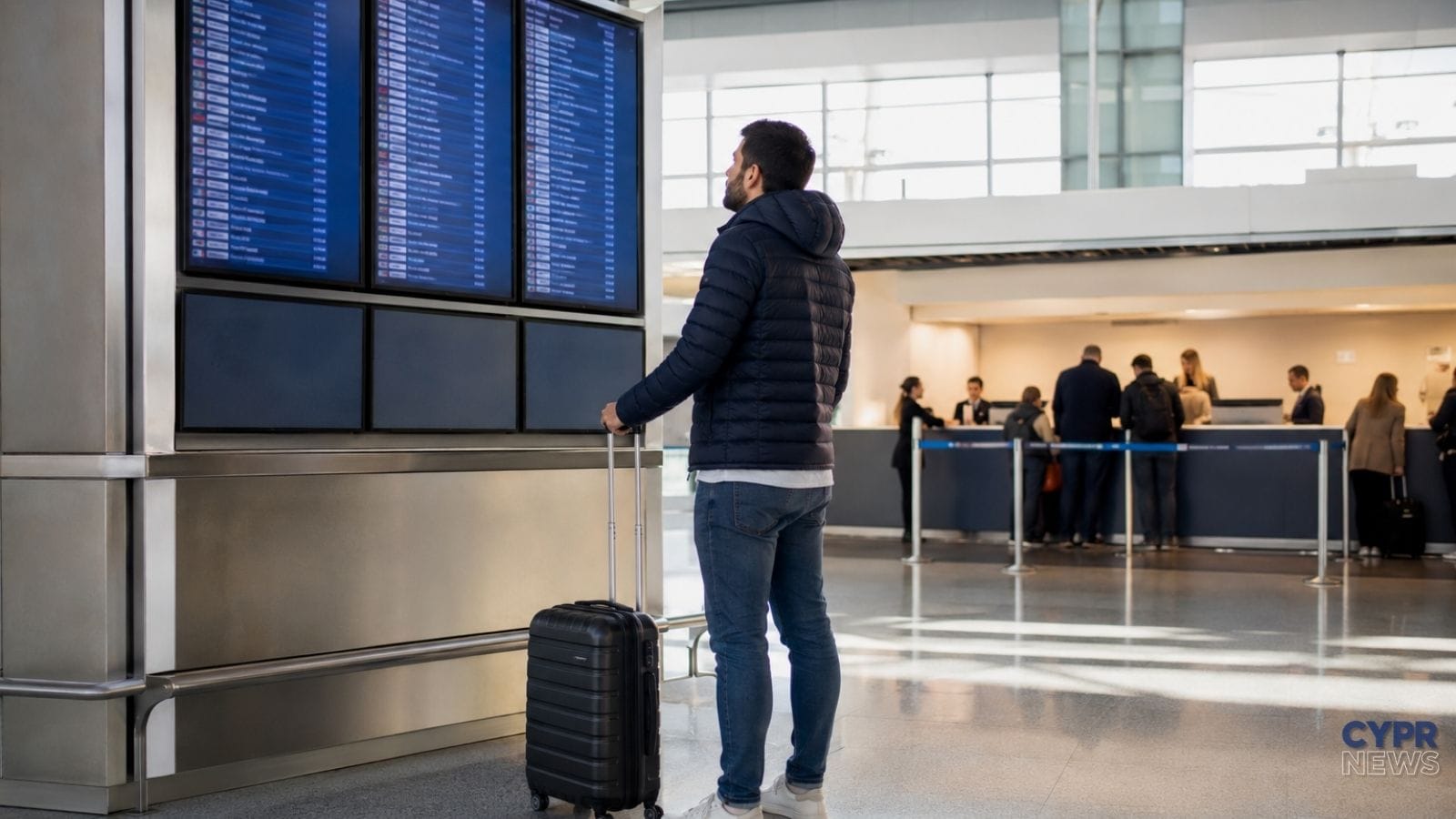
A delayed or canceled flight, lost luggage, or denied boarding don't mean a passenger is left without help. Current European Union regulations provide travelers with a range of rights, including the ability to seek compensation or reimbursement. New rules will also soon come into effect to further protect air passengers.
The scope of protection depends on the means of transport and on whether the journey takes place within the European Union, begins within its territory or ends in one of the Member States.
For air travel, the regulations cover, among other things, cancelled flights, long delays, denied boarding, overbooking and missed connecting flights.
Rail passengers can assert their rights in the event of a train cancellation or significant delay.
In bus and coach transport, the protection covers, among other things, situations where the carrier departs before the scheduled departure time.
Ferry passengers can, however, pursue claims for, among other things, loss of luggage or injuries sustained during the journey.
Your first step should be to contact the carrier or company from which you purchased your ticket. Most carriers provide their own complaint forms.
If the response is not received within the stipulated time or is not satisfactory, the passenger may contact the relevant national body responsible for enforcing passenger rights.
The response time depends on the means of transport:
| Means of transport | Maximum response time |
|---|---|
| Plane | 2 months |
| Train | 1 month |
| Ship | 2 months |
| Bus and coach | 3 months |
You can also get help from the European Consumer Centre. EU residents can also use out-of-court dispute resolution methods.
People with disabilities and passengers with reduced mobility are entitled to free assistance at airports, train stations, ports and while travelling.
If they feel that their rights have been violated, they can use the same complaints procedure as other passengers.
The European Union adopted updated regulations on air passenger rights in July 2026. This is the first major reform of these regulations in over 20 years.
The new regulations are intended to simplify procedures and increase traveler protection. Among the most important changes are:
The new regulations are expected to come into force in the summer of 2027. Until then, current EU regulations will remain in force.
The European Commission also reminds about the free application "Your Passenger Rights", available for Android and iOS devices. It contains essential information about travel rights and tips on what to do if you encounter problems while traveling.

Can I claim compensation for a delayed flight?
Yes. In many cases, EU regulations provide for the possibility of compensation or reimbursement. The conditions depend on the type of disruption and the circumstances of the individual trip.
Where to start with a complaint?
First, you should submit a complaint directly to the carrier or company from which you purchased the ticket.
The material was prepared based on information from the European Commission.