Skip to content
Supported by


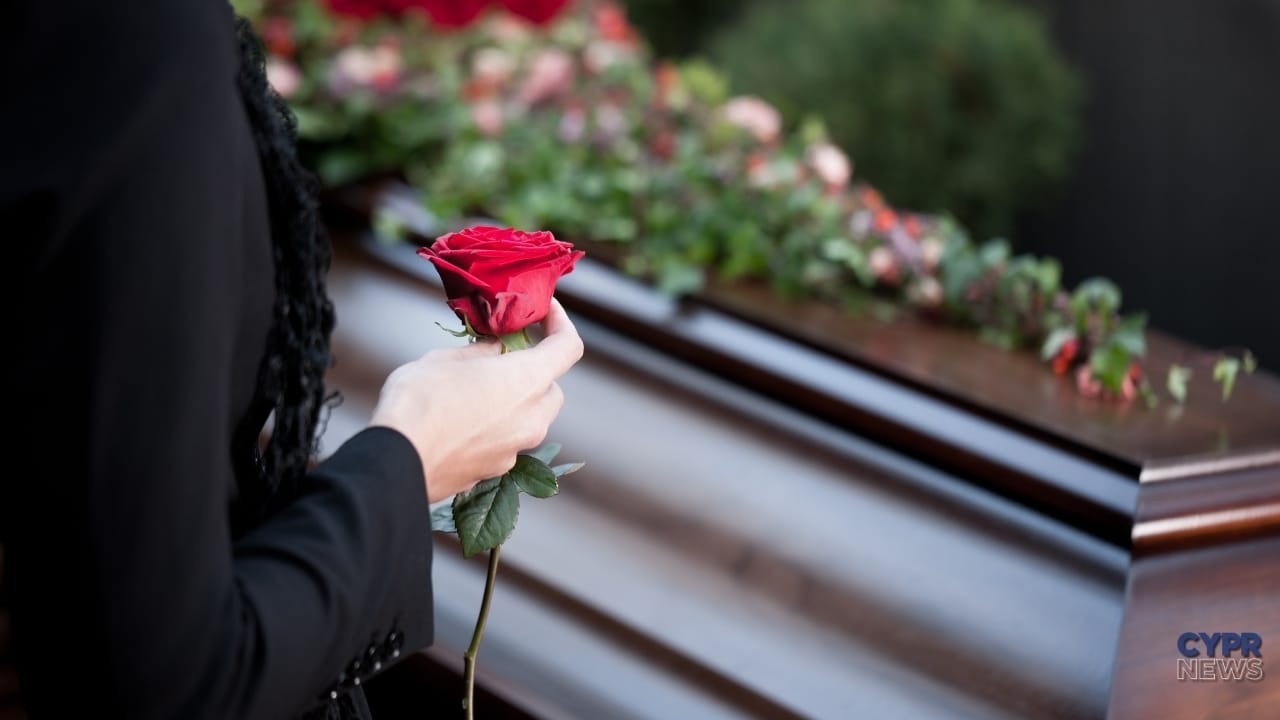
Funeral of a Pole in Cyprus It can be held at the local cemetery, also according to Catholic rites and in Polish. Polish priests serve on the island and can help the family prepare the service and coordinate the ceremony with the local parish.
The family may also decide to repatriate the body or ashes to Poland. In this case, it is necessary to obtain the appropriate documents and contact Consulate of the Republic of Poland in Nicosia and a funeral home dealing with international transport.
The procedure depends on the place and circumstances of death.
If death occurs in a hospital or clinic, the first documents are prepared by the medical facility. If the person died at home, the death must be certified by a physician.
In cases of sudden death, accident, or unclear circumstances, the police should be notified. The body may be preserved until necessary tests are completed, including a possible autopsy.
Next, the family should select a licensed funeral home. They can assist with collecting and transporting the body, registering the death, preparing the deceased, making arrangements with the cemetery, and arranging a burial in Cyprus or transporting the deceased to Poland.
Deaths must be registered with the district administration where the death occurred. The basic document is a medical certificate issued by a doctor or medical facility.
Once registered, a Cypriot death certificate is issued. It's advisable to obtain several original copies, as they may be needed for consular, inheritance, banking, and insurance matters.
If a Cypriot death certificate is to be used in Poland, it may need to be properly authenticated and translated. Please confirm the current requirements with the Polish Consulate.
In the event of the death of a Polish citizen, the appropriate contact point for consular matters is Consulate of the Republic of Poland in Nicosia.
The consulate may:
The consulate does not make decisions on behalf of the family regarding the place of burial, does not choose the funeral home and, as a rule, does not cover the costs of the funeral or repatriation of the deceased.
If the family chooses a burial in Cyprus and does not require transportation to Poland, a local funeral home can handle most of the formalities. Contacting the Consulate may still be necessary for paperwork and subsequent registration of the death in Poland.
In Cyprus they serve Polish Catholic priests, therefore the funeral service of a Polish citizen may be celebrated in Polish.
In Nicosia, at the Catholic Church of the Holy Cross, Polish Franciscans serve, among others. According to the current list of the Latin Catholic Church in Cyprus, these are Father Jerzy Kraj and Father Zacheusz Dulniok.
Polish services are also organized in other cities, and pastors reach out to Polish communities in Limassol, Larnaca and Paphos.
In the event of the death of a loved one, a Polish priest can help:
The availability of a specific priest depends on the location and date of the funeral. It's best to contact him as soon as possible, in parallel with selecting a funeral home and cemetery.
Yes. A Polish citizen may be buried in a local cemetery. The family is not obligated to bring the body back to Poland.
There are on the island Catholic cemeteries and parts of cemeteries designated for CatholicsCatholic burial sites are located in Nicosia, Larnaca, and Limassol, among others.
The choice of cemetery should be agreed upon with the parish, its administrator, and the funeral home. If there is no separate Catholic cemetery in a given city, the method and location of burial are determined individually.
A Pole can be buried in Cyprus even if they were not a permanent resident of the island. However, space availability and fees depend on the specific cemetery's policies.
The family should contact a Polish priest or the local Latin Catholic parish in Cyprus.
Catholic parishes operate, among others, in:
The priest and the family agree on the form of the ceremony, the date of the mass or service, and the course of the ceremony at the cemetery.
The funeral may look similar to the Catholic ceremony known from Poland:
Details depend on the family's decision, the availability of the priest, the parish, and the rules in force at the selected cemetery.
No. Coffins with a small window over the face of the deceased are common in Cyprus, but are not mandatory.
This is an element often associated with local Orthodox funerals. A family planning a Catholic funeral can choose a different coffin, available from the funeral home.
There is also no obligation to adopt Greek Cypriot customs, such as pouring wine and olive oil into the grave. A Catholic ceremony can be prepared according to the rites and the family's wishes.
There is no single answer that applies to all Cypriot cemeteries.
Family graves, temporary burial plots, and other forms of burial rights exist on the island. Before choosing a cemetery, families should ask:
This is a family decision. Consideration should be given to the deceased's wishes, the residence of loved ones, costs, and the possibility of visiting the grave later.
A burial in Cyprus may be a natural solution for a person who has lived on the island for many years, had family here and has linked their life with Cyprus.
Transport to Poland may be chosen if the immediate family lives in the country, the deceased left such a wish or is to be buried in a family grave.
Before making a decision, it's worth checking the deceased's insurance. Travel, employment, health, or life insurance policies may cover some funeral or transportation costs.
The international transport of a body should be entrusted to a funeral home with appropriate experience and equipment.
A company operating in Cyprus may collaborate with a facility located in Poland. Typically, the following requirements apply:
In Poland, a permit to repatriate a body or remains is issued by the district head or city mayor responsible for the intended burial site. Based on this document and the Cypriot death certificate, the required consular certificate can be obtained.
The exact list depends on the method of transport and the circumstances of death. The procedure should be agreed upon with the Polish Consulate and the selected funeral home before booking the transport.
The costs are generally borne by the family or the insurer.
The consulate does not cover transportation or funeral costs. Therefore, one of the first steps you should take is to verify whether the deceased person had:
Transporting a body can be significantly more expensive than a local burial. The final price depends on factors such as the preparation of the deceased, the type of coffin, the documents, and the chosen carrier.
Transporting an urn is usually simpler than transporting a body, but still requires a death certificate, proof of cremation, and compliance with the requirements of the carrier and the destination country.
The problem is that In September 2026, there is no crematorium in Cyprus yet.
If a family wishes to cremate the body, it must currently be transported to a country with a suitable facility. Only then can the urn be shipped to Poland or returned to Cyprus.
However, the situation is about to change.
In May 2026, planning permission was granted for the construction of the first crematorium in the Republic of Cyprus. The facility is to be built in Agia Varvara in the Paphos region.
According to the schedule presented when the investment was announced, construction was to begin in September 2026 and last approximately 18 months.
The complex will include a cremation facility and spaces for farewell ceremonies and family gatherings. It will be accessible to residents of various faiths and nationalities.
The Cypriot Social Insurance Services provide a funeral benefit for persons who meet the insurance conditions.
Eligibility for payment may depend on the contribution history of the deceased or the person filing the claim. Therefore, the benefit is not automatically granted to every family.
The current benefit amount, terms, and required forms should be checked directly with Social Insurance Services. It's also worth asking the deceased's employer about any group insurance.
The family should contact the following as soon as possible:
The family is not obligated to bring the deceased to Poland. A Catholic funeral can be held on the island, and thanks to the presence of Polish priests, it can also be celebrated in Polish.
The most important thing is to quickly contact the funeral home, the Polish Catholic priest and – in matters of documents and possible transport to the country – with Consulate of the Republic of Poland in Nicosia.
The family should also carefully check the regulations regarding the burial plot at the chosen cemetery. Cypriot regulations may differ from Polish ones, particularly regarding the duration of a grave's use and the subsequent disposal of the remains.
Sources: Consulate of the Republic of Poland in Nicosia, Ministry of Interior of the Republic of Cyprus, Social Insurance Services, Latin Catholic Church in Cyprus, Church of the Holy Cross in Nicosia, Knews, Phileleftheros.