Supported by


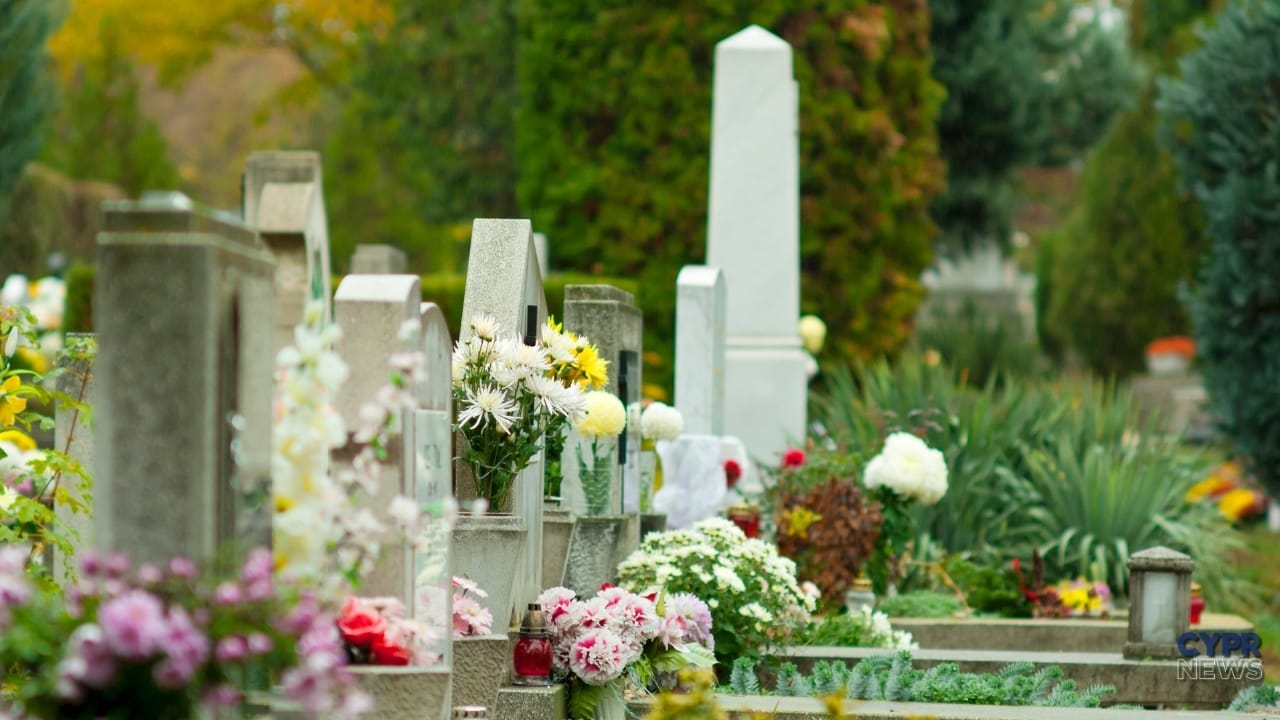
Cypriot funeral It can surprise Poles even during the first farewell to the deceased. Coffins feature a small glass window allowing for a view of the face. During the burial, wine, water, and olive oil may be poured into the grave, and participants receive traditional refreshments.
Questions arise later, too. Is the glass in the coffin really broken? Are the remains transferred to an ossuary after several years? And why is a service held 40 days after death so significant?
Orthodox funerals predominate in the Greek Cypriot community. The deceased is prepared by a funeral home, and the family arranges a service date with the parish and burial at the cemetery.
The ceremony can take place as early as 24–48 hours after deathThe deadline may be extended if family members must travel from abroad, the cause of death needs to be determined, or additional formalities are required.
The funeral home is responsible for, among other things, preparing the deceased, selecting a coffin, transport, documentation, and making arrangements with the church and cemetery.
In the coffins used in Cyprus, you can see a small glass window above the face of the deceased.
Its function is very simple: it allows the family and funeral attendees to see the face and say goodbye to the deceased without leaving the entire coffin open.
In the Orthodox service an important moment is teleftaios aspasmos – the last farewell, traditionally also called the last kiss.
However, not every coffin needs to have this type of glazing. The choice depends, among other things, on the family's decision and the funeral home's offerings.
We have not found a reliable source confirming that breaking glass is a mandatory or common funeral custom in Cyprus.
This requirement is not included in the regulations governing burials and exhumations, nor is it described in official materials on Cypriot funeral traditions.
It cannot be ruled out that a similar act occurs in individual towns, parishes, or families. Local customs may vary. However, the breaking of glass should not be presented as a rule at every Cypriot funeral.
There is also no basis for claiming, without confirmation, that this is done to accelerate the decomposition of the body.
After the service, the coffin is taken to the cemetery. During the burial, an Orthodox priest may pour water into the grave. water, wine – often red – and olive oil.
These gestures have religious and symbolic meaning. Water and wine may also appear during later services at the tomb.
Participants in the ceremony may also throw small amounts of soil or flowers onto the coffin.
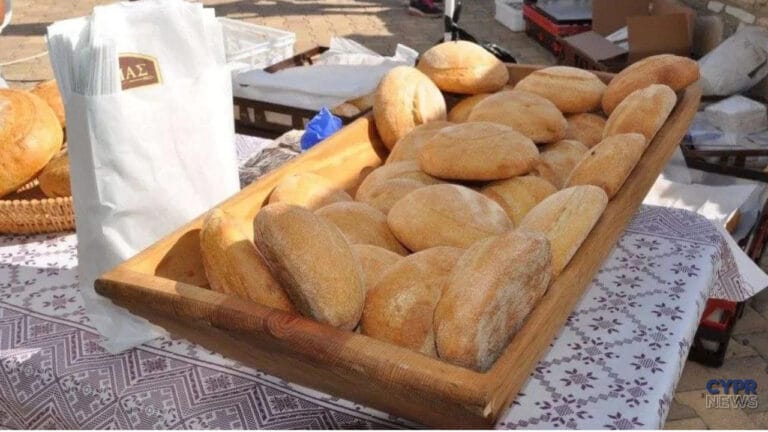
After the ceremony, participants may receive traditional funeral bread called parigorka or makarisiThe snack is sometimes served with wine, halloumi, or olives.
This isn't just a simple catering service. The food is meant to bring comfort to the family and serve as a reminder of the deceased.
Some Cypriot funeral homes offer to prepare such refreshments directly at the cemetery. A larger family gathering can be held later at home or at a venue.
Exhumations are possible in Cyprus, but there is no single rule requiring the exhumation of every deceased person after three years.
Cypriot law regulates the procedure for exhumation and subsequent treatment of remains. It also provides for the operation of ossuaries, known in Greek as osteophylaxis.
An exhumation cannot be carried out arbitrarily. Appropriate procedures must be followed, and in cases specified by law, a court order is also required.
The regulations also provide for family graves in which subsequent family members can be buried.
The rules depend on the specific cemetery.
In some cemeteries managed by Nicosia, both family and funeral graves are available. temporary graves for five yearsThis solution is provided for, among others, the cemeteries in Agios Dometios and Aglantzi.
This does not mean, however, that every grave in Cyprus operates according to the same system.
After exhumation, the bones may be placed in an ossuary or moved to a family grave. The next step depends on the family's decision, the cemetery's policies, and applicable regulations.
An ossuary is a specially prepared place intended for storing remains after exhumation.
Similar solutions are commonly associated with Greece, especially in large cities where there is a shortage of new burial grounds. However, the Cypriot system is not an exact replica of the Greek one.
The burial does not end the Orthodox farewell.
After death, services are held mnemus, i.e. services commemorating the deceased. Traditionally, they may take place after three and nine days, then after 40 days, three, six and nine months and after a year.
The forty-day service is of particular significance. The family gathers again in church and often at the graveside.
Then he prepares Kollyva – cooked wheat with additives, symbolically associated with death and resurrection.
Cremation is legal in the Republic of Cyprus, but as of September 2026 there are still no operating crematoriums on the island.
In May 2026, the construction of the first such facility was approved in Agia Varvara in the Paphos regionAccording to the announced schedule, work was to begin in September 2026 and last approximately 18 months.
The complex will include not only a cremation facility, but also rooms for ceremonies and farewells to the deceased.
Until the crematorium is opened, people choosing this form of burial must use facilities abroad.
Cyprus and Greece share Orthodox Christianity, language, and many traditions. However, this doesn't mean that all ceremonies and cemetery rules are identical.
In Cyprus, coffins with a window are found, symbolically pouring wine, water and olive oil into the grave, and refreshments. parigorka, later services and the possibility of transferring the remains to the ossuary.
However, there is no single rule requiring the exhumation of all deceased persons after three years.
And the obligatory breaking of the glass in the coffin?
This has not been confirmed by reliable sources. Poles living on the island claim to have seen both the glass being broken and the glass not being broken during the burial of the coffin.
Sources: Cyprus Cemeteries, Burials and Exhumations Act, Visit Cyprus, Metropolitanate of Constanta and Ammochostos, Municipality of Nicosia, Knews, Phileleftheros.