Supported by


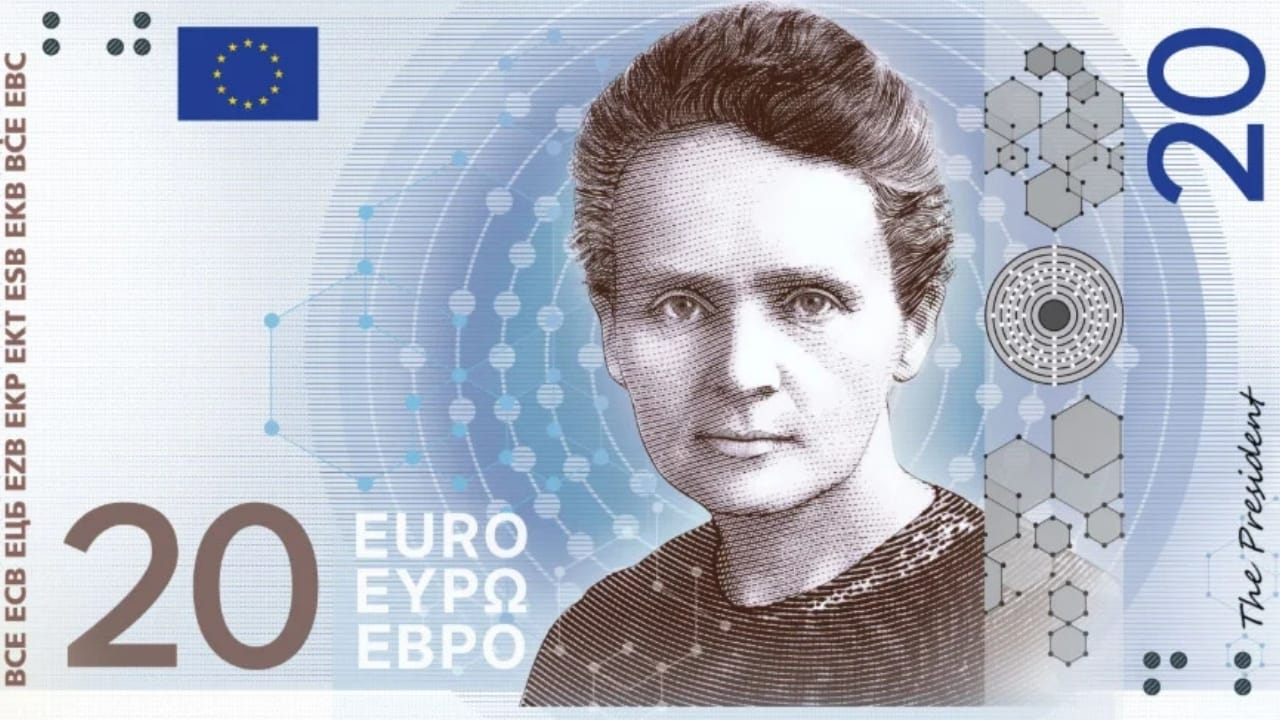
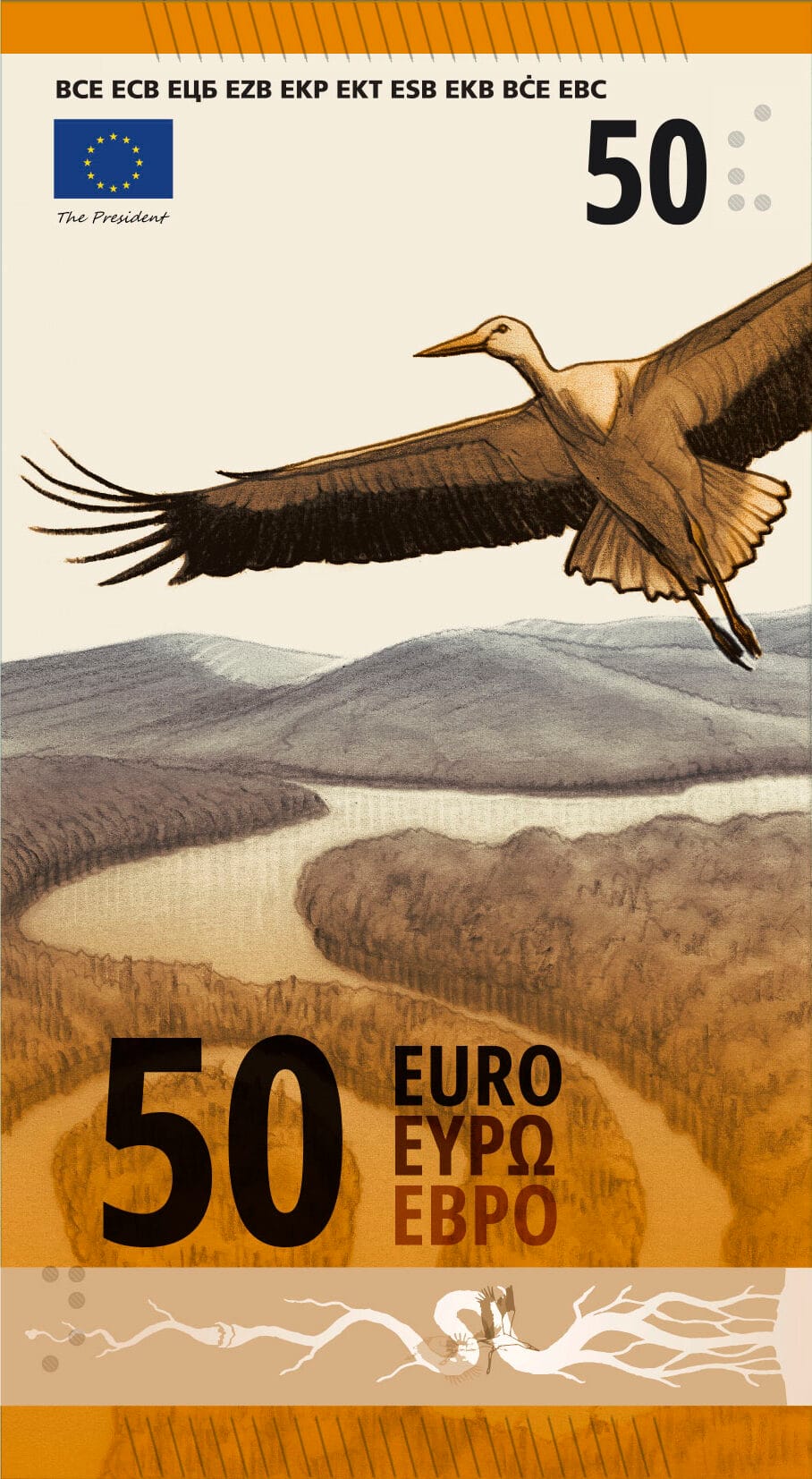
The European Central Bank unveiled ten designs for new euro banknotes and invited Europeans to vote. The proposals included a €20 banknote featuring Maria Skłodowska-Curie and series depicting European rivers and birds, including the white stork.
Poles living in both Poland and Cyprus are also eligible to participate. The ECB has no restrictions on age, nationality, or country of residence. The survey is anonymous, available in Polish, and will remain open until 21 September 2026, 11:59 PM CET.
Voting is not limited to citizens of eurozone countries. There is also no requirement to have a bank account, provide a document number, or prove your place of residence.
In accordance with the European Central Bank's rules, anyone with a device with internet access can complete the survey. This means that:
The survey is available in all 24 official languages of the European Union, including Polish. The system has been designed to limit the possibility of multiple votes by the same person.
The strongest Polish accent is the work of Greek designer Myrsini Vardopoulou. Her series was designated Project E in the competition and belongs to the "European Culture" group.
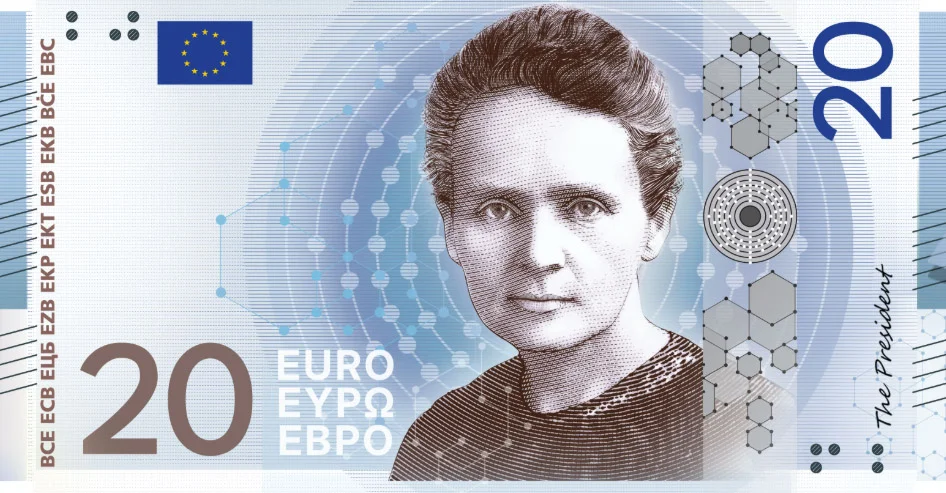
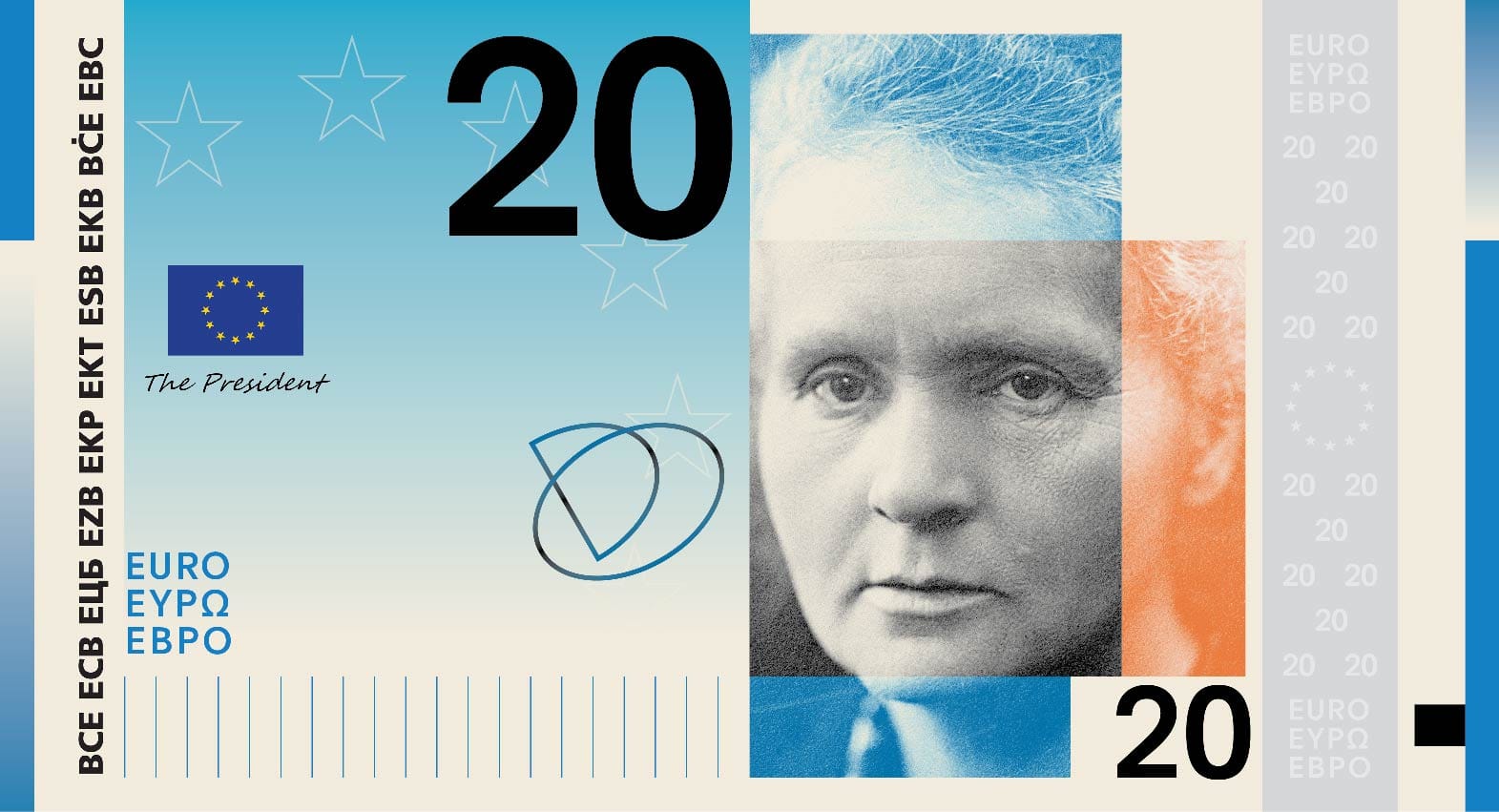
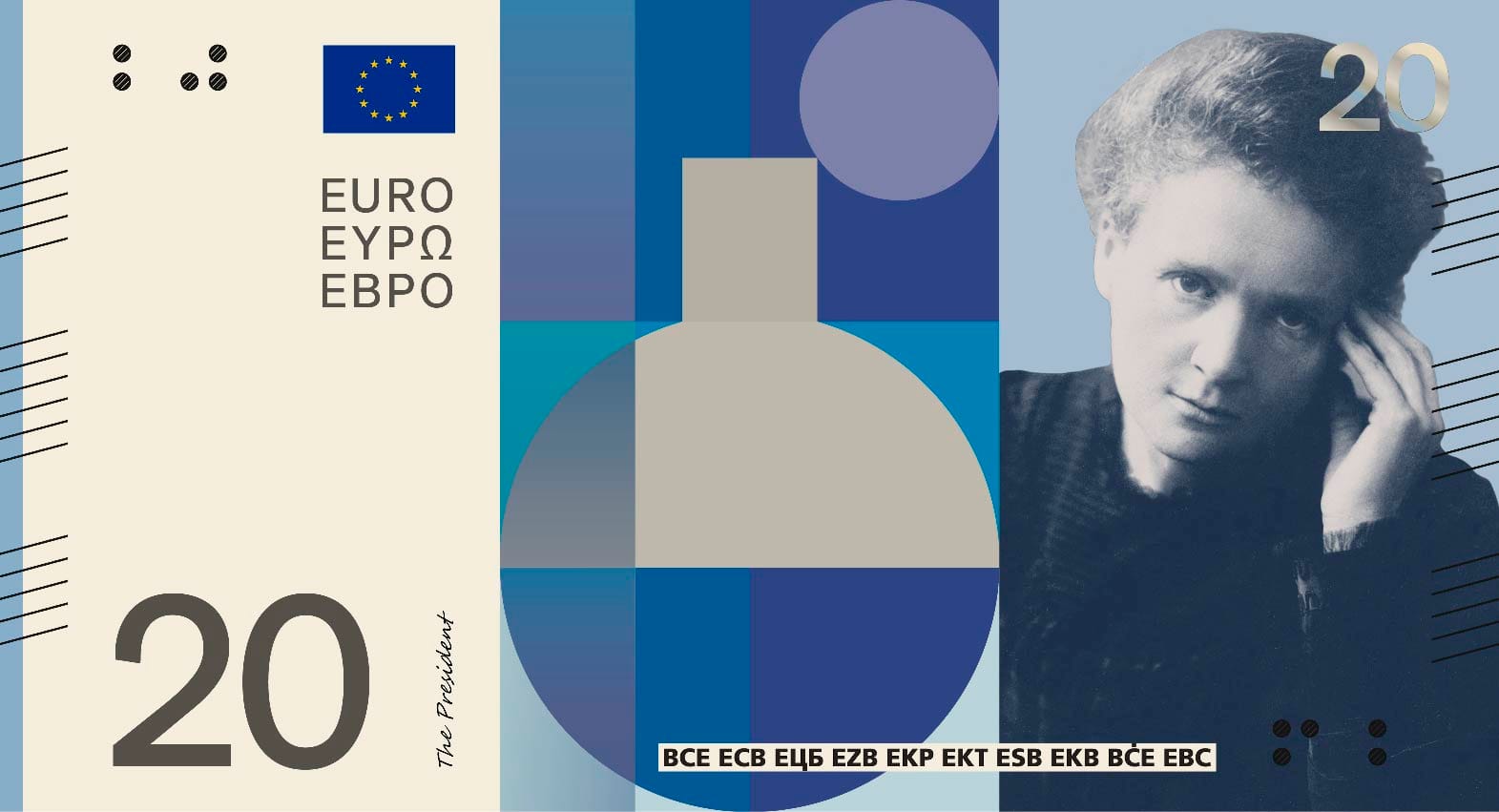
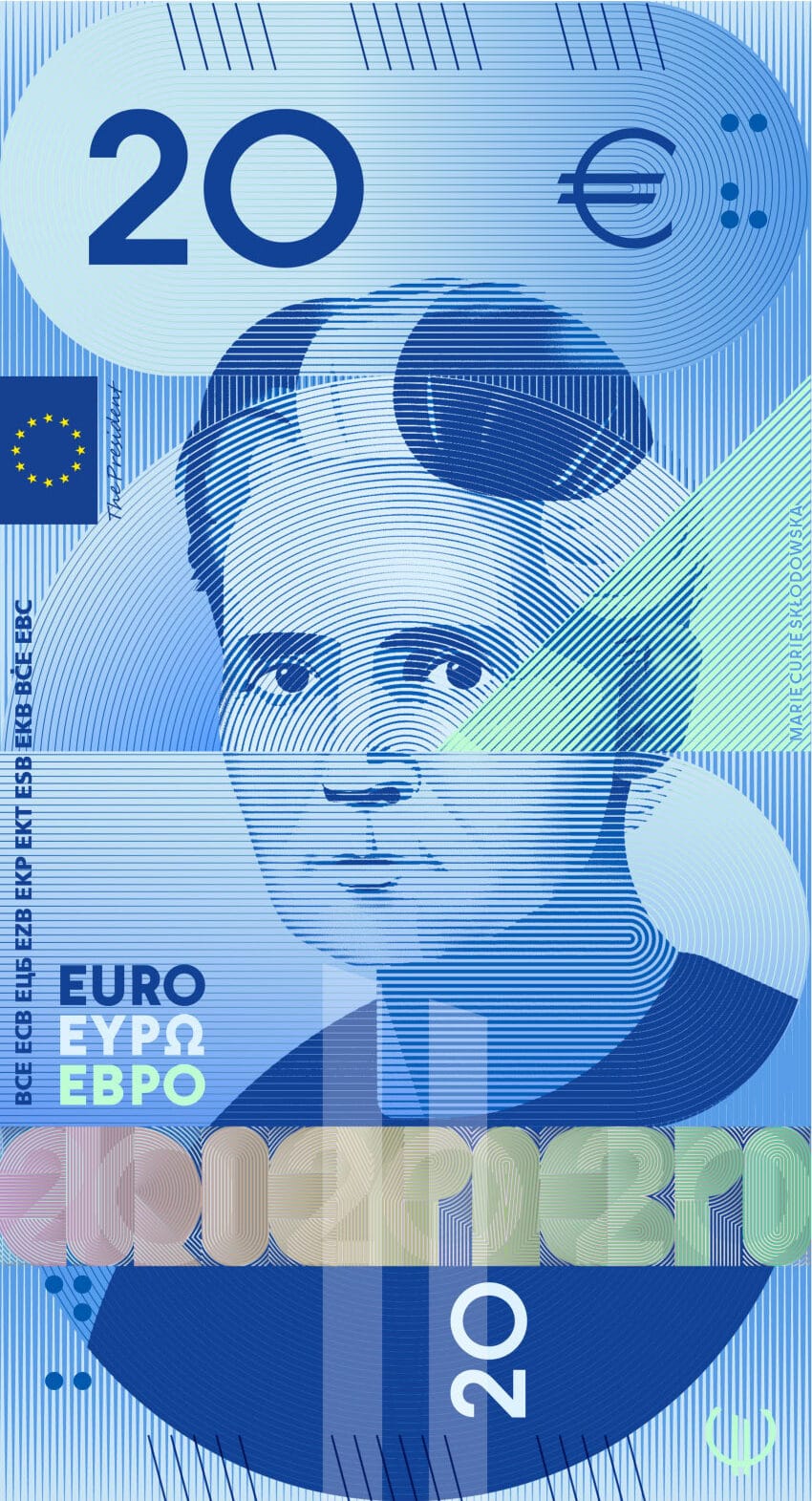
The obverse of the 20 euro banknote features Maria Skłodowska-Curie – a Warsaw-born physicist and chemist, two-time Nobel Prize winner.
The project focuses not only on the recognition of the individuals depicted. Its author wanted to emphasize the importance of their work, ideas, and influence on the development of European culture and science.
Skłodowska-Curie's portrait is surrounded by circular forms and symbols referencing her scientific work. The design retains the blue color scheme associated with the current €20 banknote.
Myrsini Vardopoulou has been designing stamps for the Greek Post for over 20 years. She has designed over 250 designs, including those dedicated to the Olympic Games, literature, and culture.
Design E also features other figures representing European culture. Individual denominations refer to the performing arts, music, science, literature, art, and peace efforts.
The 5-euro banknote depicts Maria Callas, and its design also references the Europe of Greek mythology. Cyprus and Malta also appear on the map.
The designer's Greek origins, however, don't mean that the design represents Greece alone. The new banknotes are to be common to the entire eurozone and must not resemble the currency of a single country.
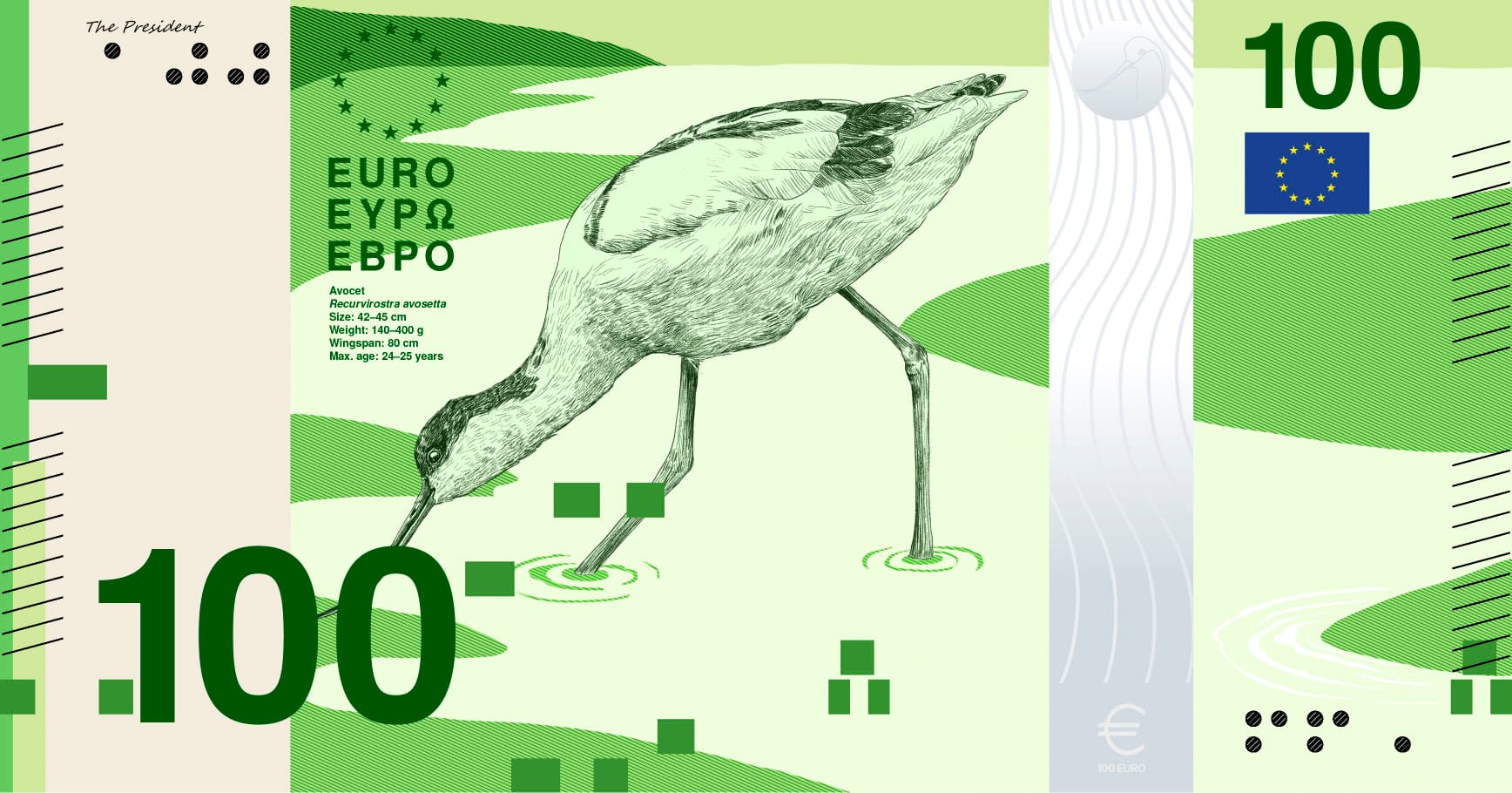
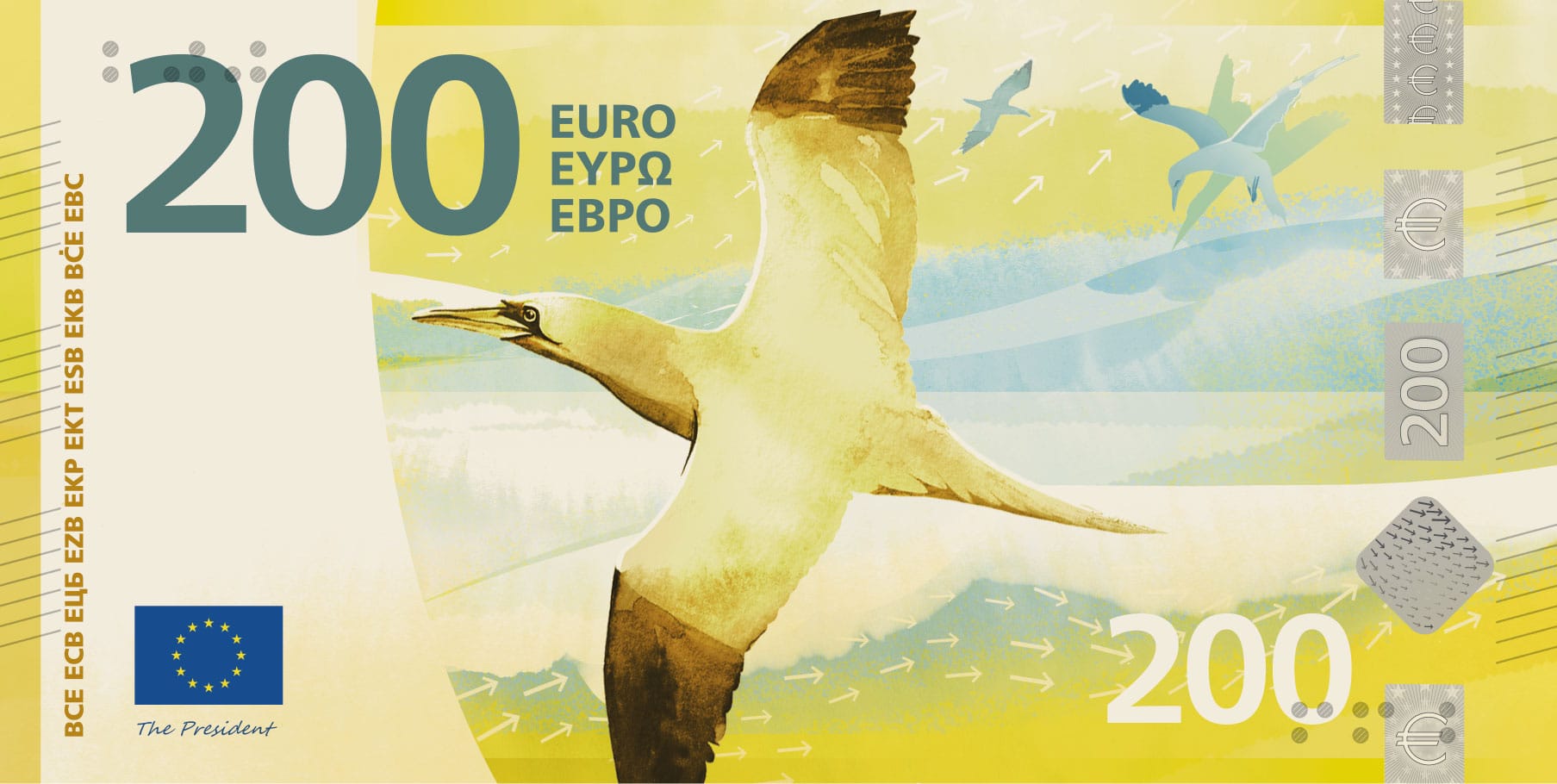
The offerings include five series based on the theme "Rivers and Birds." They depict European landscapes and species associated with each stage of a river's course—from its mountain source to its mouth at the sea.
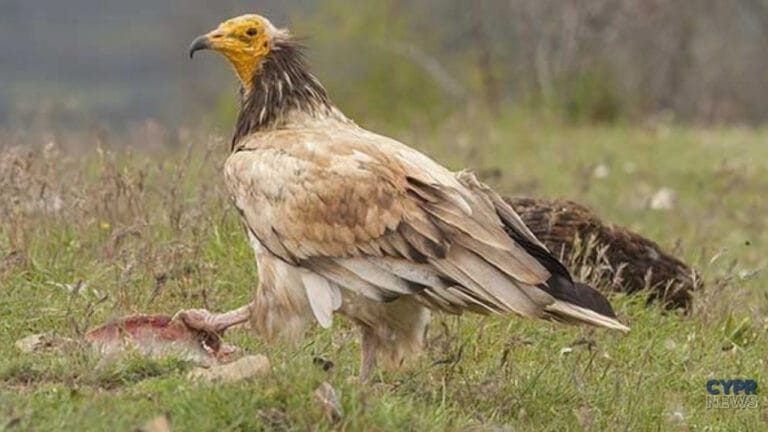
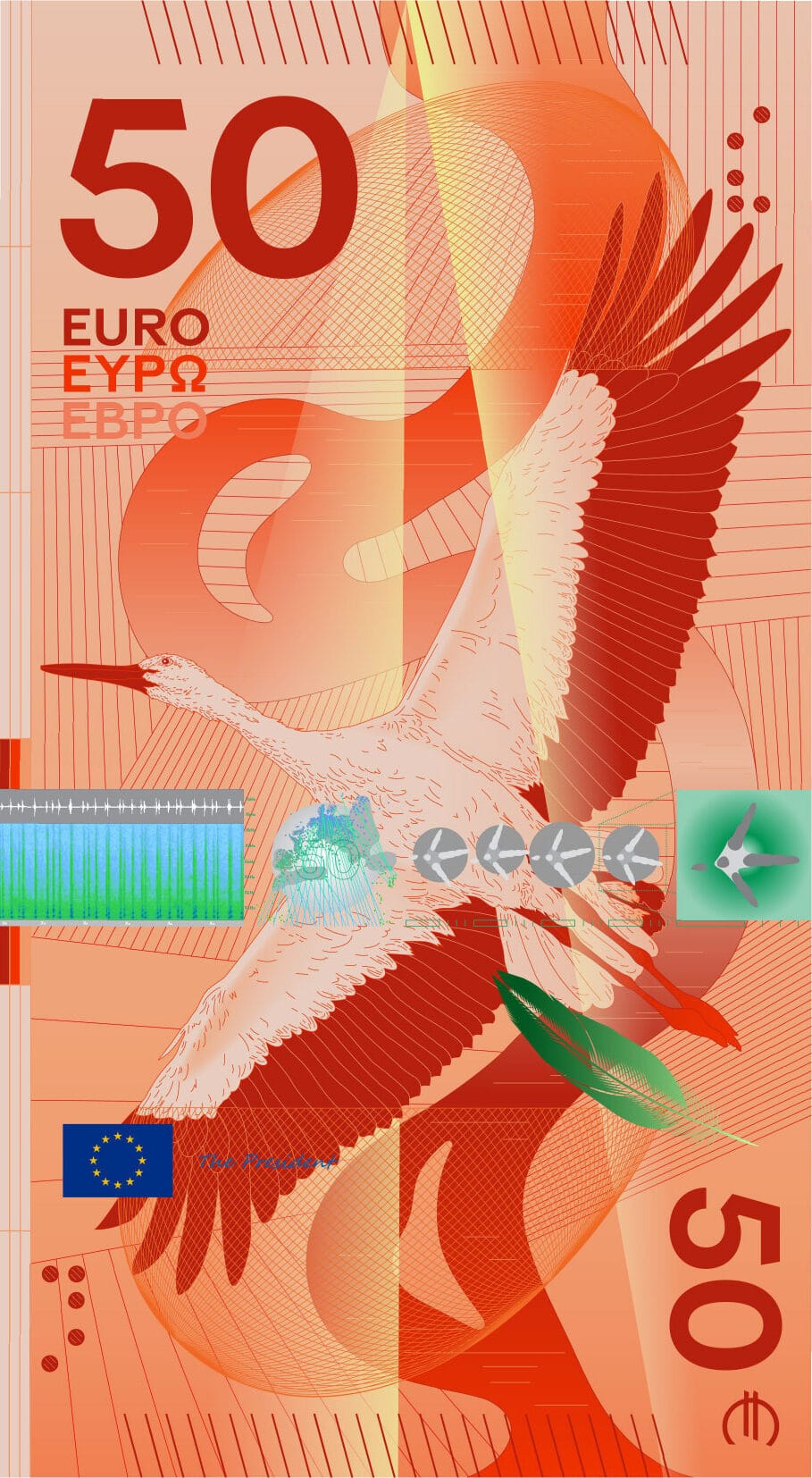
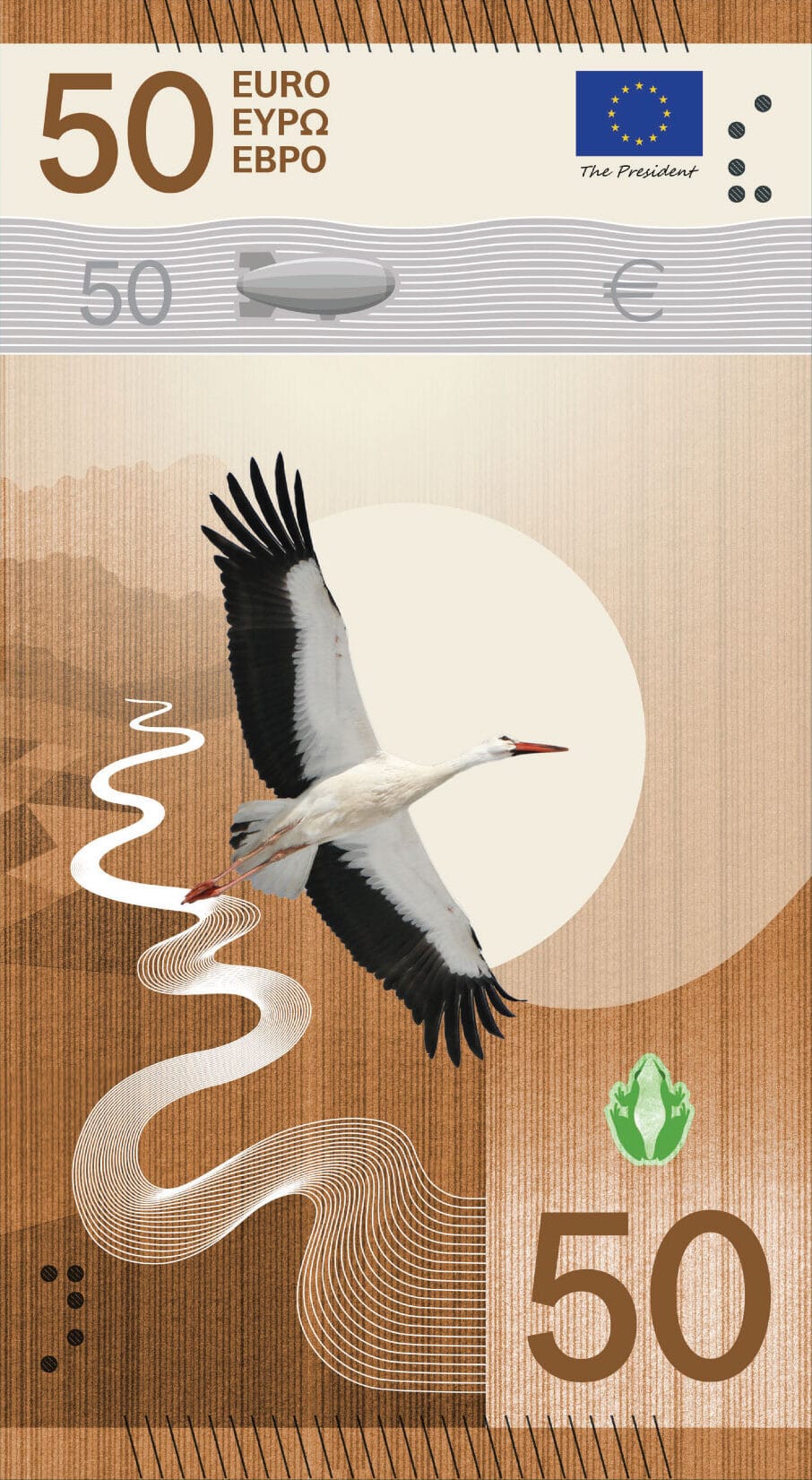
The white stork appears on the design of the €50 banknote. It's not a uniquely Polish symbol, as the bird is found in many regions of Europe. However, in Poland, it holds a special place in culture and is one of the most recognizable elements of the rural landscape.
When choosing the series with rivers and birds, the voting participant can therefore indicate a design in which a stork is featured on one of the denominations.
However, the figures and birds are not selected separately for each banknote. The vote applies to the entire coherent series from €5 to €200.
Ten proposals, marked with letters A to J, qualified for the final. Five of them concern European culture and five concern European rivers and birds.
Projects A, C, E, F, and G represent diverse interpretations of culture. They incorporate historical figures, contemporary social spaces, artistic symbols, and elements that demonstrate the exchange of knowledge and ideas.
Designs B, D, H, I, and J depict birds in connection with water and landscapes. The reverses feature European Union institutions and a map of Europe.
Over 1,200 designers entered the competition. Twenty-five individuals and teams were invited to prepare full proposals, and an independent jury of 21 experts selected ten finalists.
The following block should be pasted into WordPress as "Custom HTML":
The results of the online survey will be an important element of the process, but do not automatically mean that the project with the most votes will be selected.
In parallel, an independent research firm is conducting a representative survey of eurozone residents. The ECB's Governing Council will take into account the results of both surveys, the jury's assessment, and the technical analysis of the projects.
The final decision is expected to be made by the end of 2026. Only then will detailed security and production preparations begin.
It will take several years for the new banknotes to appear in wallets. No decision has yet been made regarding the exact date of their introduction.
The planned series will include banknotes in denominations of €5, €10, €20, €50, €100, and €200. The ECB assumes that their dominant colors and sizes will likely remain similar to the current ones.
This is intended to make it easier to recognize money and reduce the costs of adapting ATMs, checking devices and cash handling machines.
The new banknotes will feature improved security features, making them more difficult to counterfeit, easier for people with vision problems to use, and more environmentally friendly.
The existing banknotes will not suddenly become invalid. The ECB assures that they will retain their value and remain in circulation even after the next series is introduced.
The survey will close on September 21, 2026, at 11:59 PM CET. In Cyprus, it will then be 12:59 AM on the night of September 21-22.
Poles do not need to live in the eurozone to express their opinion. They can vote from both Poland and Cyprus.
The selection isn't limited solely to the design of a single banknote. Each proposal creates a full series of six denominations.
If Project E wins, Maria Skłodowska-Curie could appear on one of the most widely used banknotes in Europe. If one of the nature-themed series is chosen, a stork could appear on the €50 banknote.
Sources: European Central Bank, Central Bank of Cyprus, Cyprus Mail.