Supported by


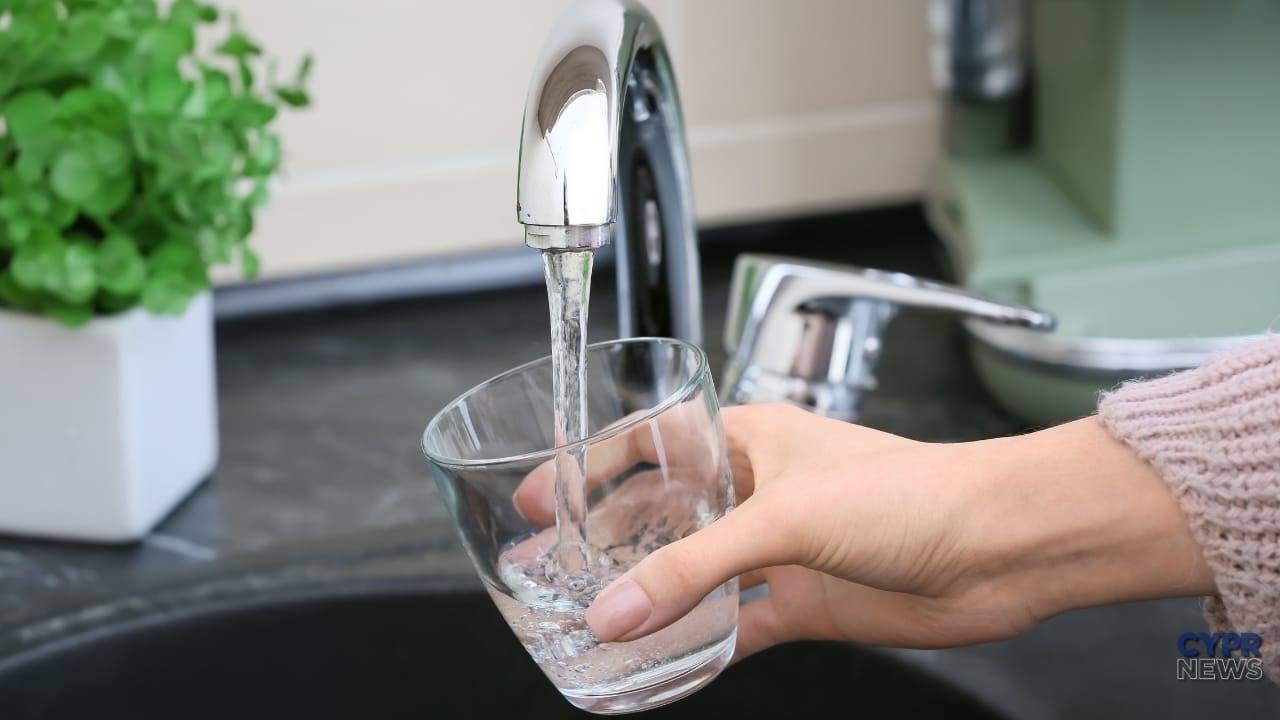
Four new desalination plants in Cyprus are planned to deliver a total of 180,000 cubic meters of water per day. Permanent plants will be built in eastern Limassol, Dhekelia, Agia Thekla, and Polis Chrysochous.
The Council of Ministers approved three investments on September 2nd, while the construction of a desalination plant in East Limassol was approved earlier. The government aims to reduce the island's water supply's dependence on rainfall and reservoirs.
The largest of the new installations is planned for Dhekelia. Its planned capacity is 80,000 cubic meters of water per day.
The desalination plant in eastern Limassol will have the capacity to produce 60,000 cubic meters per day. Another 30,000 cubic meters will come from the plant in Agia Thekla, and the plant in Polis Chrysochous will provide 10,000 cubic meters.
The planned capacity of individual plants is as follows:
In total, the four new desalination plants are expected to produce up to 180,000 cubic meters of water per day.
Minister of Agriculture, Natural Resources, and Environment Christos Senekis announced that project implementation will be based on government decisions. In the case of the three latest investments, all required permits and approvals remain to be obtained.
The main goal of the investment is to increase the island's water security. Until now, water availability has largely depended on rainfall and reservoir fill levels.
However, subsequent dry winters have shown that this system does not provide sufficient stability. Desalination plants can produce water independently of rainfall, so they are expected to play an increasingly important role in supplying cities, tourist destinations, and households.
The government's 2024–2030 program includes investments exceeding €200 million. In addition to building a desalination plant, it also includes using more purified water, modernizing water networks, and reducing transmission losses.
Christos Senekis also reported that the improvement of the hydrological situation in 2026 allowed for an increase in the amount of water intended for irrigation.
Based on a decision by the Council of Ministers in June, this year's allocations were recalculated. Agriculture received an additional 3.5 million cubic meters of water. The increase also covered the integrated southern water supply system.
The Ministry also wants to expand the use of purified water in agriculture. This will reduce drinking water consumption and make better use of available resources, especially during long periods without rainfall.
Building new facilities can significantly increase the amount of water available, but it won't eliminate the need to modernize the network. Some resources are still lost due to breakdowns, leaks, and outdated infrastructure.
Producing desalinated water also requires significant amounts of energy. Therefore, water security will depend not only on new plants but also on reducing losses, reusing treated water, and managing resources efficiently.
The government expects that the new desalination plants in Cyprus will help residents' basic water supply become less dependent on increasingly unpredictable rainfall. However, exact dates for the commissioning of all four plants have not yet been announced.
Sources: Ministry of Agriculture, Natural Resources and Environment of the Republic of Cyprus, Council of Ministers of the Republic of Cyprus, Cyprus News Agency.