Supported by


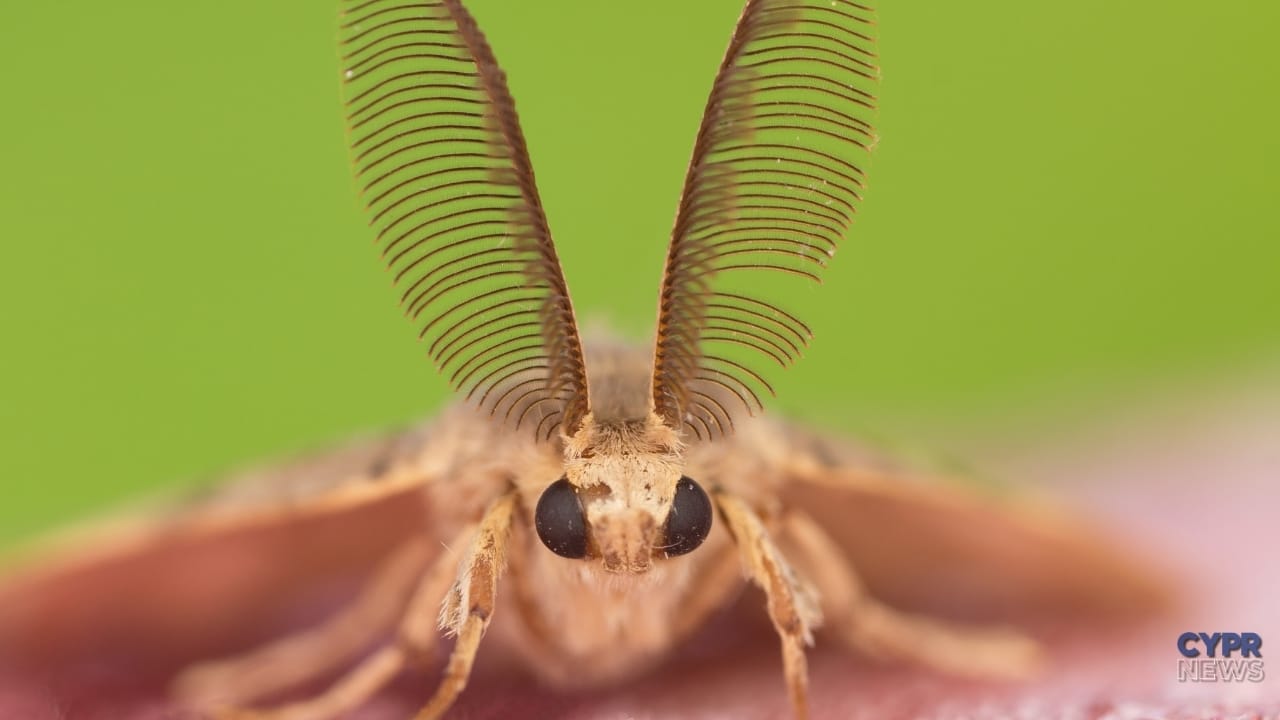
Cyprus is among six European countries with more than 20 species of moths endemic to Europe. The latest data shows that 27 such species have been recorded on the island.
This doesn't mean 27 new species have been discovered, nor does it mean that all of them are unique to Cyprus. The designation "endemic to Europe" applies to species whose natural range is limited to our continent. However, such a high number demonstrates the exceptional diversity of Cypriot nature.
Data comes from the first comprehensive European Red List of Moths. Commissioned by the European Commission, the study covers 3,082 species found in Europe, including 704 European endemics.
The status of individual species was assessed according to the criteria of the International Union for Conservation of Nature. Researchers analyzed, among other things, their range, population changes, and threats to the moths' habitats.
Cyprus, with 27 recorded European endemic species, is among only six countries with more than 20 such species. This result highlights the island's importance for the conservation of European biodiversity.
The word "moth" often conjures up images of a small insect circling a lamp or pests that destroy clothing and food. In reality, moths constitute an incredibly diverse group of butterflies, and the moths found in apartments represent only a small fraction.
Although moths are commonly called night butterflies, not all moths are nocturnal. Some species are also active during the day.
Moths play an important role in nature. They pollinate plants, primarily after dark, when most diurnal insects are no longer active. They also provide food for bats, birds, reptiles, amphibians, and other animals.
Without them, the functioning of many ecosystems would be seriously disrupted.
European moths vary greatly in appearance and size. Some have inconspicuous gray or brown wings, while others are striking with their vibrant colors and intricate patterns.
Some may resemble wasps or hornets. This resemblance may deter predators, who avoid insects associated with a painful sting.
The largest European species have a wingspan of about 15 centimeters. There are also moths whose females have reduced wings and are unable to fly.
The European assessment reveals disturbing conclusions. Nearly 11 percent of moth species studied in Europe are threatened with extinction. Within the European Union, this figure is nearly 12 percent.
For about a quarter of species, scientists lack sufficient information to reliably determine their population status. The problem is particularly acute among endemic species, as about 35 percent of them are classified as insufficiently studied.
The greatest threat is the transformation and destruction of natural habitats. The moths' situation is also affected by:
Strong lighting in roads, buildings, parking lots, hotels and tourist facilities can disrupt the natural activity of moths.
Insects are guided by light rather than searching for food or a mate. Prolonged circling around lamps exhausts them and increases the risk of being eaten by predators.
Light pollution can also hinder reproduction and movement between habitats. This problem is particularly significant in heavily developed coastal areas.
The report's authors recommend protecting and restoring habitats, reducing light pollution, and more closely monitoring moth populations. This is especially important in regions where data are still scarce.
For Cyprus, the new report is both an honor and a commitment. The presence of 27 European endemic species demonstrates that the island remains an important area for the conservation of species found nowhere else in the world outside of Europe.
However, it is not known how many of these 27 species occur exclusively in Cyprus. The European Red List identifies species endemic to the entire continent, so this data should not be presented as a list of Cypriot endemics.
Sources: European Commission, European Red List of Moths, Publications Office of the European Union, Cyprus Information Agency