Supported by


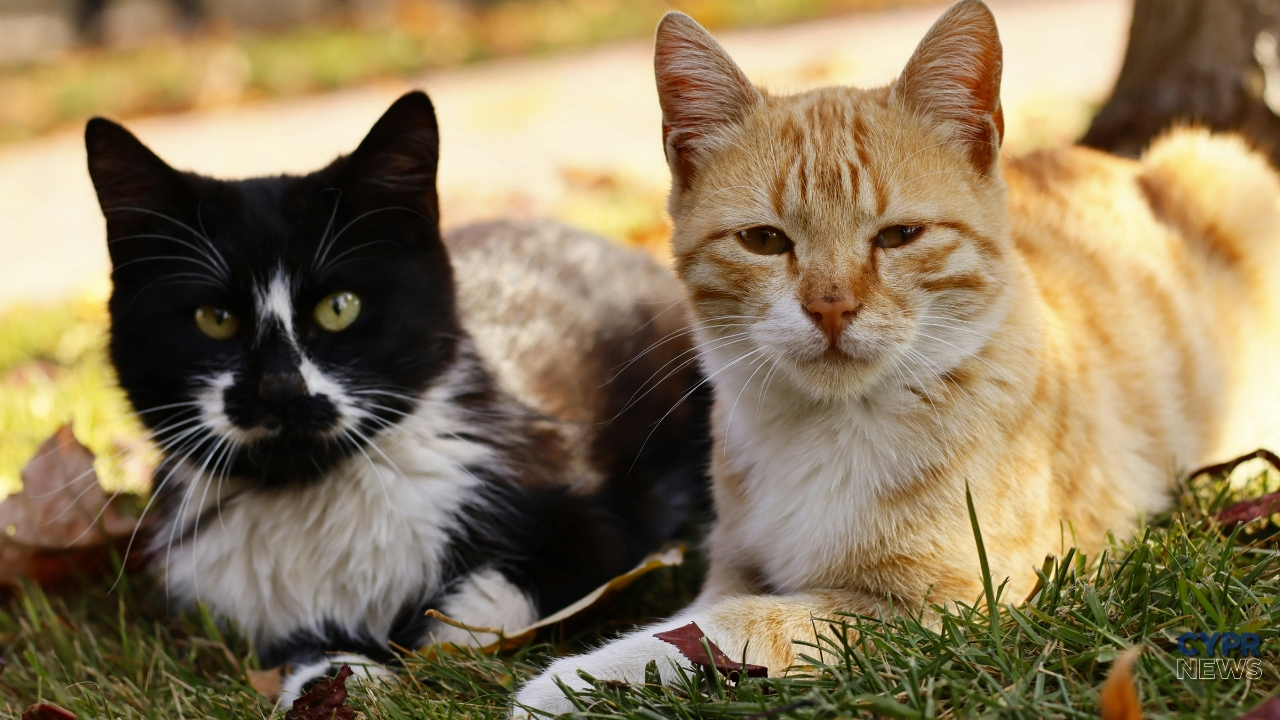
€300,000 is scheduled for sterilization of stray cats in Cyprus in 2027. This is three times more than before, but increasing funding alone won't solve the problem. More effective organization of procedures and ongoing collaboration with volunteers are also needed.
The figure of over two million unowned cats has been discussed. However, this is not the result of a nationwide census. It's an estimate from participants in a scientific study, whose authors point to the lack of reliable, centrally collected data.
According to information presented in parliament and reported by Politis, the government approved an increase in the program's budget from €100,000 to €300,000 for 2027. At the same time, the Ministry of Agriculture admits that this amount will not be sufficient to control the situation.
The tripling of funding was announced earlier, including in an official government announcement from October 2025. Therefore, the mere amount of €300,000 should not be presented as an idea that has only just emerged.
Politis quotes an estimate that the increased budget could be enough for around 6,000 treatments. This is the expected scale of assistance, not the number of sterilizations already performed or guaranteed. The final result will depend on costs, office availability and program organization.
Jamie L. DeLeeuw and Harry Eckman analyzed interviews with 44 people involved in cat care and population management in Cyprus, Greece, and Portugal. The number of interviewees was representative of all three countries.
The study describes the experiences of practitioners. In the case of Cyprus, it primarily highlights the transfer of daily responsibilities to social organizations and volunteers, with insufficient institutional support.
Interviewees emphasized the importance of intensive, coordinated sterilization efforts in specific areas and subsequent monitoring of the colonies. Individual campaigns are difficult to maintain without consistent funding, available veterinarians, and cooperation with local governments.
The lack of accurate data also makes it difficult to assess the effectiveness of actions. The number of procedures performed alone does not yet answer the question of whether there is actually a decrease in the number of unneutered animals and subsequent litters in a given area.
The nationwide program is implemented by district veterinary offices, supported by animal welfare committees. Local governments, registered animal welfare organizations, and cooperating veterinarians participate.
Financing for procedures is provided through allocated coupons. Individual entities receive information about available funds and clinics that perform sterilization.
Individuals caring for cats and informal groups of volunteers participate through a local government or registered organizationThis principle is confirmed by the official announcement of the 2026 program.
This doesn't mean you can go to any clinic and automatically get a free treatment. First, you need to find out who in your area participates in the program and whether they still have coupons.
The role of community activists doesn't end with finding the money for the procedure. They also need to capture the animal, transport it to a clinic, provide post-operative care, and organize its return. Cypriot authorities reaffirmed the importance of these responsibilities during a meeting dedicated to the program in June 2026.
A larger budget could help extend treatment to more animals. However, lasting improvement will require program continuity, efficient division of responsibilities, and monitoring where assistance is yielding results and where colonies remain unserved.
Sources: Politis, Frontiers in Animal Science, Gov.cy.