Skip to content
Supported by


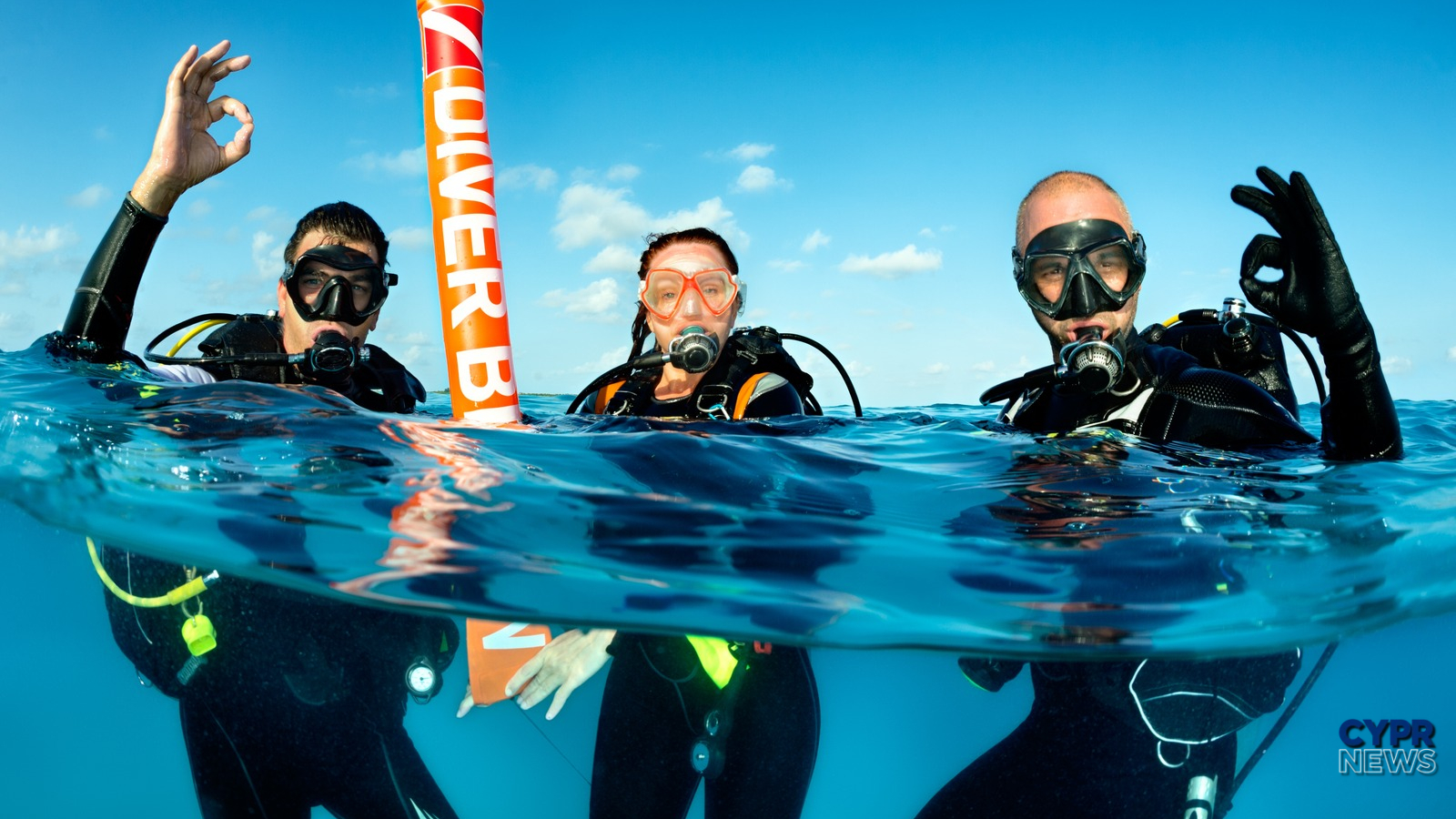
Diving in Cyprus is to be subject to uniform regulations governing the activities of service providers. A parliamentary committee has begun discussing a draft regulation that would establish requirements for instructors, certification, and insurance. Meanwhile, over 100,000 dives take place on the island annually.
The project presented on Tuesday, November 17th, aims to streamline licensing and oversight of the industry. This doesn't mean that the new obligations have already come into effect. Deputy Minister of Tourism Costas Koumis points out that the goal is to improve safety, service quality, and the tourist experience.
The project covers the activities of diving centers and schools, independent instructors, and entities organizing the transport of divers by sea. It also covers snorkeling services, i.e., swimming with a mask and snorkel.
The proposed requirements included:
The lack of a single, specialized regulatory system doesn't mean the industry operates outside the law. However, the new law aims to introduce common rules specifically for diving services.
During the meeting, industry representatives pointed out that the scale of activity is significant. Around 30,000 dives a year take place at the Zenobia wreck near Larnaca., and about 60,000 in the Protaras area.
These are the numbers of dives, not unique individuals. One participant may dive multiple times during the same stay.
According to information presented to the commission, approximately eight to ten centers currently hold ISO certification. The ministry wants quality and safety requirements to become part of a unified supervision system.
During a parliamentary debate, it was reported that three people died while diving in 2026. In the case of the Zenobia, an industry representative reported seven deaths since the wreck was used as a dive site.
This data refers to different time periods. It should not be aggregated or used to compare the safety of individual locations.
MPs and institutional representatives also discussed how to investigate serious accidents and how services will cooperate. Work on the project is expected to continue.
The proposed obligation for a service provider to have an insurance policy concerns his professional liability. You should not assume that such a policy will automatically provide you with full coverage for all accident costs.
Before traveling or booking a dive trip, it's worth checking your insurance. Not every travel insurance policy covers scuba diving, and the scope of coverage may depend on factors such as depth, qualifications, and the type of activity.
Also check the insurance terms and conditions for coverage of medical expenses, rescue assistance, medical transport, and possible treatment in a hyperbaric chamber. If anything is unclear, ask your insurer to confirm coverage for your planned dive.
The introduction of common requirements is intended to facilitate supervision of service providers and define the minimum level of preparation for conducting business.
The parliamentary procedure is currently underway. No confirmed effective date for the new regulations has been announced. Before booking, it's worth asking the center about the instructor's qualifications, the diving organization, participant requirements, and insurance coverage.