Skip to content
Supported by


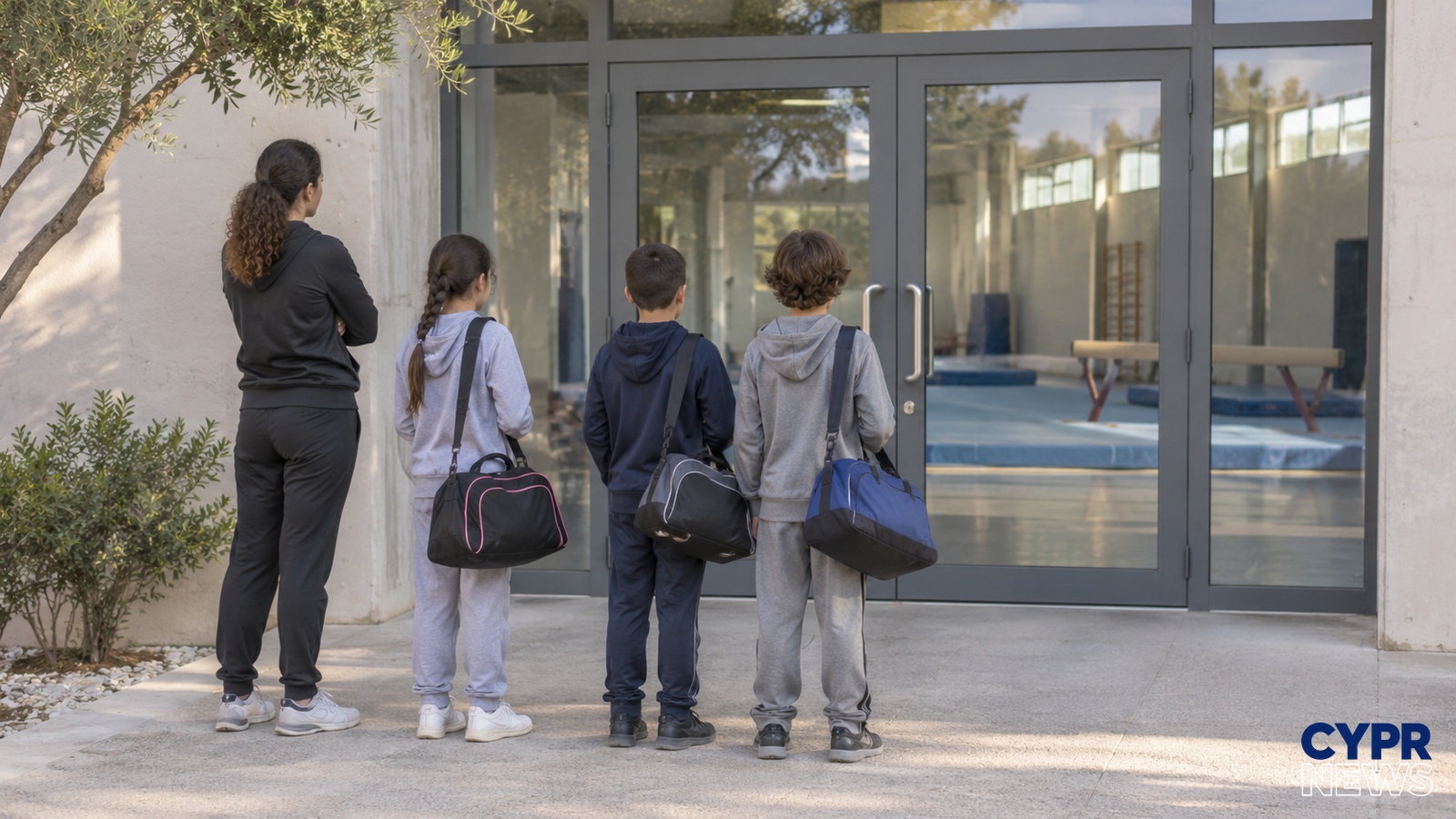
Maccabi Limassol attracts EuroLeague fans, but the organization of matches makes training difficult for the approximately 500 local athletes, mostly children. For safety reasons, the Spyros Kyprianou Arena is closed to them at noon the day before the match. With two matches a week, they can lose up to four days of training.
Parents and coaches complain about the lack of consultation and the lack of alternative facilities. According to the Politis newspaper, the Cyprus Sports Organization (CAO), which manages the arena, is expected to receive €10,000 per match for its use. Meanwhile, some families are organizing and paying for training trips to other cities themselves.
According to the rules communicated to clubs, the facility must be vacated by 12:00 noon the day before the match. Local athletes are also not permitted to use the facility on match day itself.
The possibility of morning training doesn't help students much. While the facility is still available, most of them are at school. Once classes end, they are no longer able to attend classes.
The disruptions primarily affect three clubs and academies of artistic and artistic gymnastics. Their students include children aged three to 13—both beginners and young athletes preparing for competitive sports.
People training weightlifting, fencing and table tennis also remain outside the hall during this time.
Around 100 athletes use the facilities in Larnaca and Nicosia. These arrangements are negotiated between coaches, parents, and clubs willing to provide their facilities.
This applies especially to competitive athletes. Some students travel from Limassol after school to train for three hours in a gym that only becomes available after 5:00 PM.
Transportation and related expenses are the responsibility of the families and coaches. According to Politis, the KOA did not provide them with transportation or a suitable alternative facility.
For the youngest children and those participating in recreational activities, regular trips to another city are much more difficult to organize. Training often simply gets lost in the process.
Yiannos Parpas, coach of Onisilos Famagusta, told the newspaper that the affected clubs were not consulted before the decision was made. He also noted that the subsequent suspensions come after disruptions related to the stadium renovations.
Equipment is also a problem. Gymnastics requires specialized equipment, which is permanently installed at Spyros Kyprianou. Therefore, providing access to any empty room would not allow for the replication of a normal training program.
The coach is concerned that repeated breaks, costs and the need to travel may discourage some children from continuing to practice sports.
A special arrangement has been made for two top-level athletes who can train until 3:00 p.m. Others, including national team players, will lose access to the facility despite ongoing preparations.
Parpas points out that there could be discussions about keeping athletes and coaches in the arena for an extended period, provided they undergo safety checks. However, he says no such discussions have taken place.
The organization of matches also affects the surroundings of the stadium. During the Maccabi vs. Olympiacos match, some drivers crowded the sidewalks, and police issued tickets.
According to Parpas, the problem isn't limited to the first three matches. The coach expects Maccabi to play a total of 10 to 12 matches in Limassol. This is a projection, not a confirmed final schedule.
For families, this means finding solutions for the coming weeks. This is especially true for children whose classes can't be easily transferred to another facility or made up before noon.
The complaints presented by "Politis" concern both the lost training hours and the way the entire project was organised: consultations with clubs, access to equipment and providing a real alternative for current users of the hall.