Skip to content
Supported by


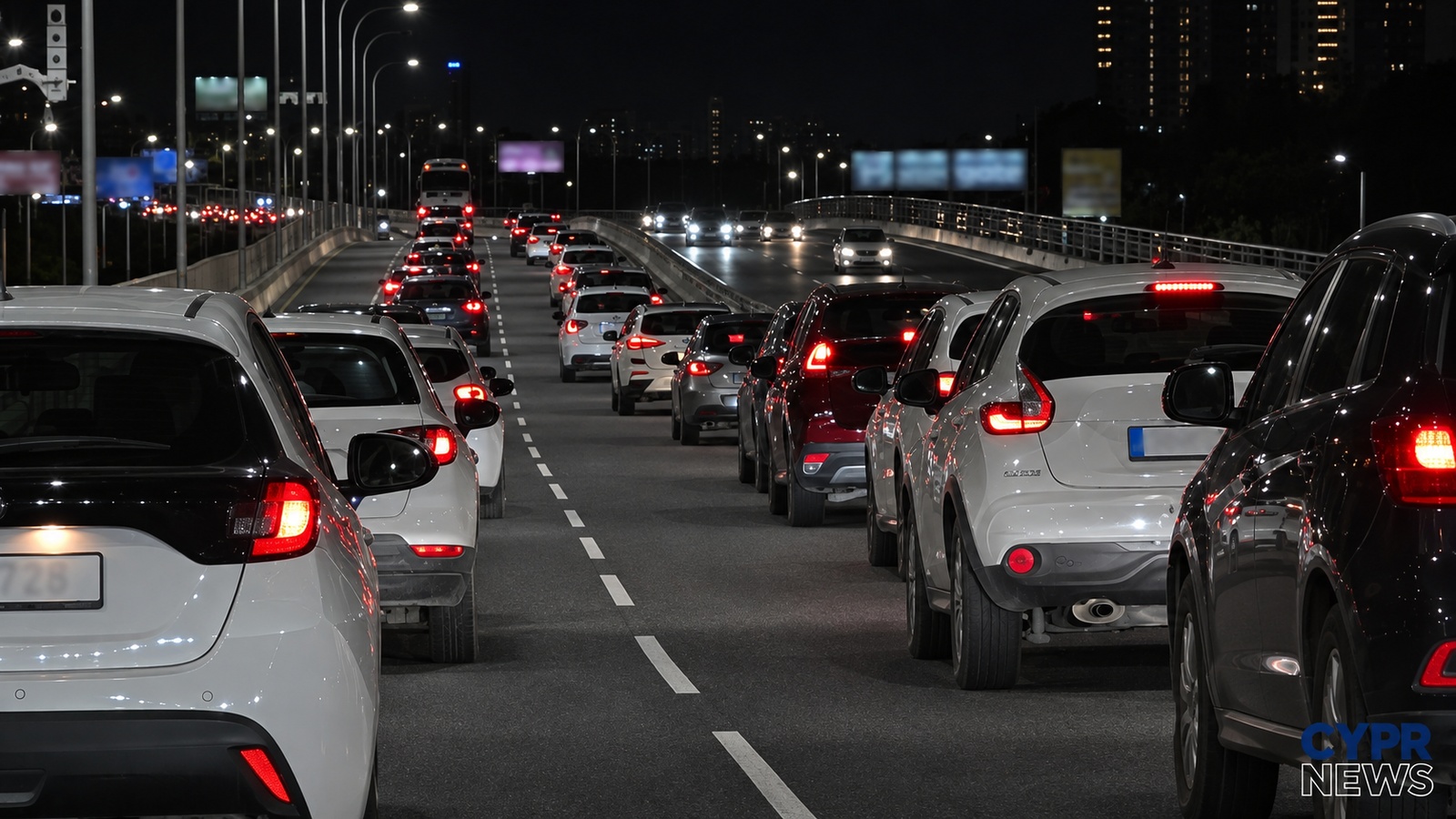
Traffic congestion in Cyprus could also be reduced by changing the organization of daily commutes. One idea described by the Cyprus Mail is to stagger the start times of lessons so that the same buses could make two rounds of transporting students. In the analyzed option, the difference would be approximately 45 minutes.
In addition, remote working, better traffic management, and limiting the number of cars in city centers are also being considered. However, this is not an announced package of changes. The publication presents possible solutions and the assessments of an anonymous interviewee, not an approved government plan.
Morning commutes overlap with dropping off children. Parents who could be heading to the office later leave earlier to make sure they arrive before school starts.
The idea described by the Cyprus Mail is to spread the hours between schools so that available buses and drivers can serve the next group of students.
This is not about moving all schools by 45 minutes. The key would be to create a gap allowing for a second run.
According to the newspaper's interlocutor, this could reduce morning traffic by up to 10-15 thousand carsHowever, this is his estimate – the presented publication does not provide any independent analysis confirming this result.
The solution would make better use of existing transportation. After delivering the first group, the bus could return to pick up students starting classes later.
In practice, this would require reviewing route lengths, travel times between schools, and the availability of after-school pickups. This change would also need to involve parents, teachers, and carriers.
The Cyprus Mail indicates that the idea of changing school hours has already been raised by the Ministry of Education. However, the publication does not provide a decision on implementing this option or a start date.
Simply changing the school clock isn't enough. It must be backed up by a realistic timetable.
The second solution is to limit the number of trips that need to be made at all.
Remote or hybrid work can reduce traffic generated by office workers. It doesn't require them to take the bus—on certain days, it allows them to forgo commuting altogether.
The Cyprus Mail correspondent advocates for incentives for employers, while also highlighting the need for cooperation between institutions responsible for transport and spatial planning.
New office buildings in already congested parts of cities mean additional transportation needs. Therefore, the location of workplaces should be considered in conjunction with their service options.
The analysis highlights Limassol as a particularly challenging case. According to an anonymous source, heavy traffic congestion persists throughout much of the day, rather than significantly decreasing after the morning commute.
If traffic remains high for many hours, simply postponing some trips may not be enough. Changes to the road network, public transport, and city organization are also necessary.
We've already written about broader proposals for Limassol in CYPRNews. They include expanding public transport, increasing space for pedestrians and cyclists, and exploring the feasibility of building a tram.
Expanding connections requires not only vehicles but also people to operate them. A lack of drivers limits the ability to increase frequency and launch additional routes.
Cyprus Mail raises the possibility of recruiting workers from outside the European Union. However, the source points out obstacles related to employment, required qualifications, and the costs of bringing in and accommodating workers.
This is another reason why increasing the number of buses on the road is not just about purchasing a new fleet.
The option of two rounds of school transport must also take into account the availability of drivers and the organization of their work.
Among the more radical solutions is a fee for entering a crowded city center by car.
This mechanism is intended to discourage some travel. However, it raises questions about people who lack convenient bus connections, have to work stationary jobs, or organize transportation with children.
In the publication described, the fee is an example of a possible tool, not an announcement of its introduction in Cyprus.
Evaluating such a solution would require taking into account the availability of public transport, exceptions and the impact on household budgets.
Changing school hours could help with specific morning commutes. Remote work would reduce some office travel. Better traffic signals, bus lanes, and street reconstruction would address other issues.
Therefore, we need to combine actions, instead of expecting that one investment or a single decision will remove all the bottlenecks.
Planning travel times is also crucial for drivers. The same route can look completely different off-peak or during morning child drop-offs.
This is an idea worth exploring, as it involves organizing existing rides. However, its effectiveness would depend on routes, schedules, the number of available buses, and how many parents would actually forgo driving their children.
Specific calculations or a pilot study would be needed, followed by a comparison of the effects.
The most important question is not only "what time does school start?" but also "does the child have a way to get to school?" Without efficient transportation, changing the time might only postpone some cars.
Source: Cyprus Mail.