Skip to content
Supported by


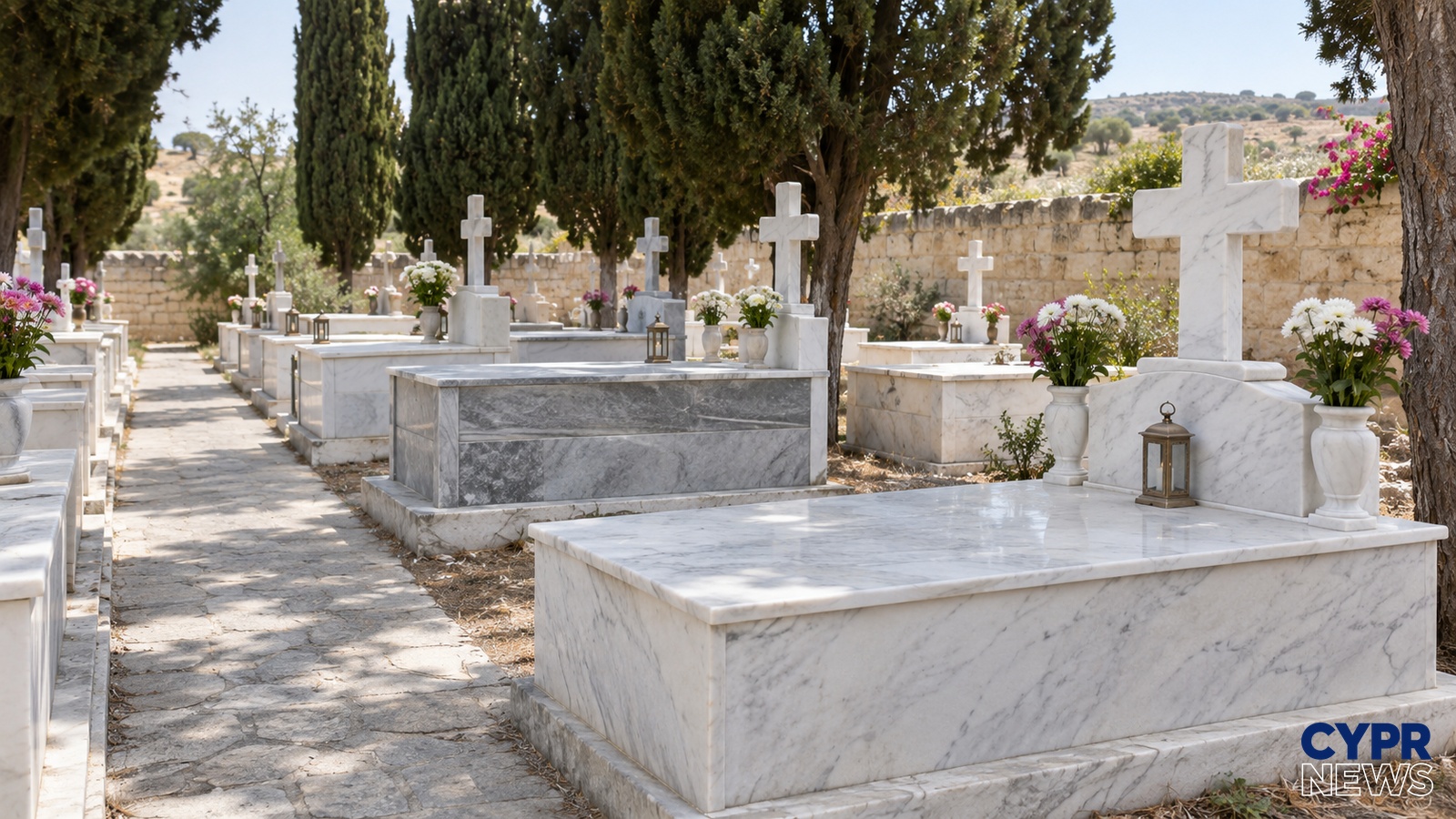
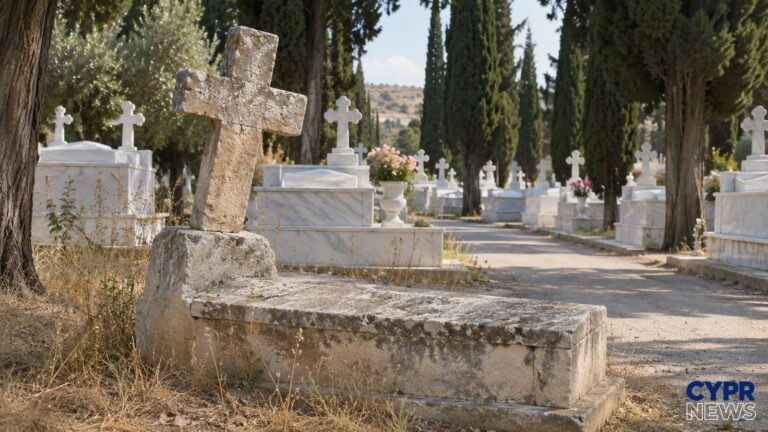
Graves sold to more than one family are a recurring problem in Nicosia. According to the secretary of the Church Committee at the Saints Constantine and Helena Cemetery in Pallouriotissa, the scale of past irregularities could involve between 700 and 750 burial plots. This is an estimate by a committee representative, not the result of a published audit.
The case was brought to light by a man who claimed that part of the plot purchased by his family was used to bury a stranger. He presented purchase documents, but a cemetery representative questioned the authenticity of one of them. Archbishop Jerzy appealed to the victims to provide evidence.
According to Andreas Karagiorgis, secretary of the church committee operating at the cemetery, the irregularities allegedly occurred at different times and concerned the activities of different people.
He reported that in one phase, sites were sold for amounts no greater than 300 Cypriot pounds. In another, prices ranged from 6,000 to 11,000 pounds, with the most expensive grave reportedly fetching as much as 15,000 pounds.
Karagiorgis estimates that the proceeds from repeatedly selling the same properties could amount to hundreds of thousands of euros. These are ancient transactions, the consequences of which are still being felt by families today.
Andreas Ionas presented journalists with a document confirming the purchase of the family burial plot in 1961. According to him, in 2003, his mother purchased an adjacent plot of land to enlarge the grave. She paid 150 Cypriot pounds for it.
The man claims he only learned later that the lot had been sold again to another person about five years ago. A family member of the second buyer was recently buried there.
Ionas emphasizes that he holds no grudge against the family. He believes they could also have purchased the property without knowing about the prior transaction.
According to Ionas, problems arose again in February, after his father's death. He wanted to use the additionally purchased portion of the grave but was told that the earlier transaction had not been recorded in the proper ledger.
He himself refers to the payment confirmation he has and the signature of the then clergyman.
Karagiorgis, who was presented with the documents, considered the 2003 document to be false and stated that the buyer had been defrauded. This is the position of the committee representative - in the case described, no independent expert opinion confirming the forgery was presented.
When informed about the case, Archbishop Jerzy expressed hope that it was a consequence of past irregularities investigated before he took office.
He promised full transparency and a decisive response if the allegations are confirmed. He also appealed to those who consider themselves victims to contact the archbishopric and present any documents they have.
The case of the specific family remains unresolved. It has not been announced how the conflict over the burial site will be resolved.