Skip to content
Supported by


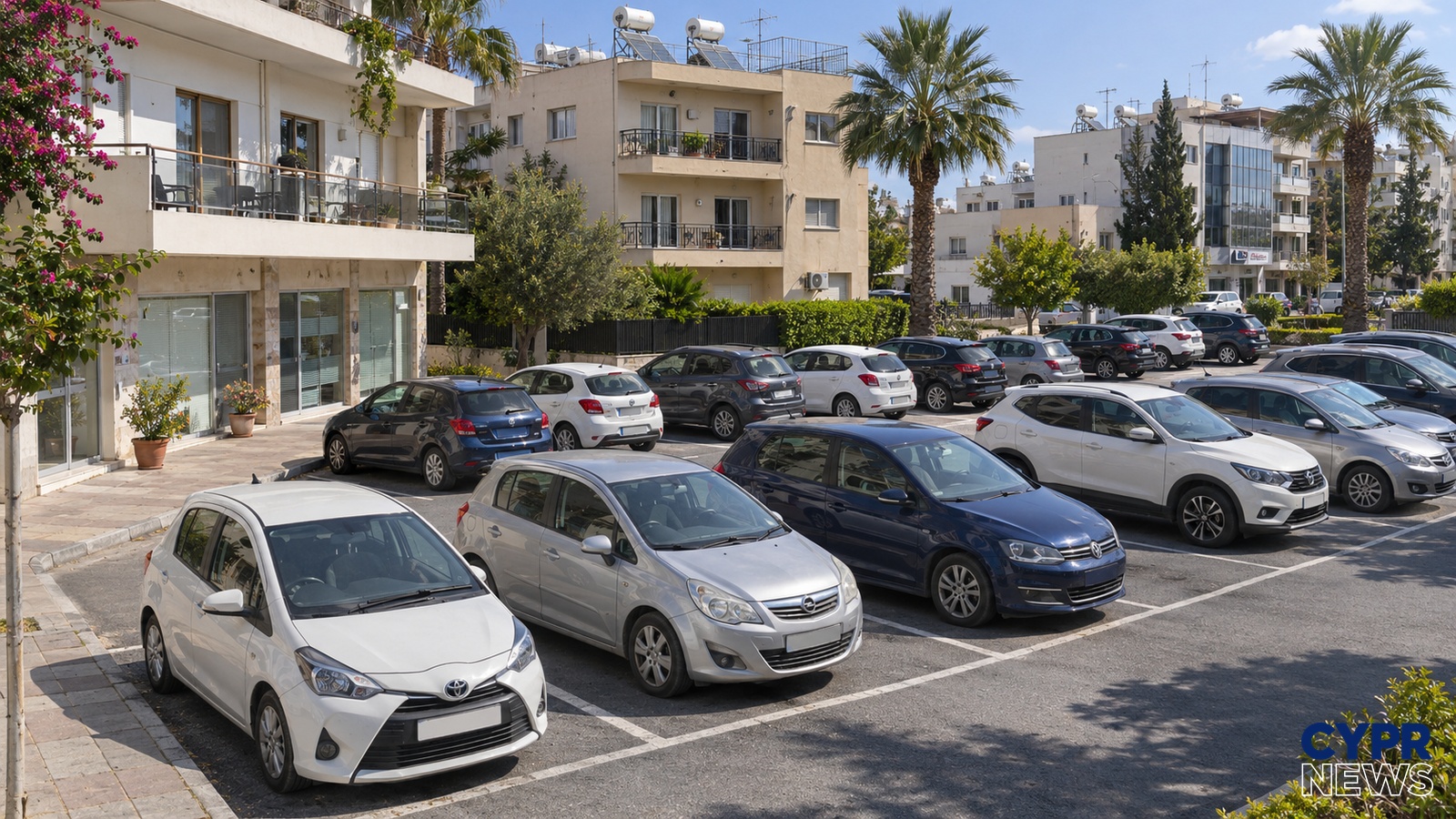
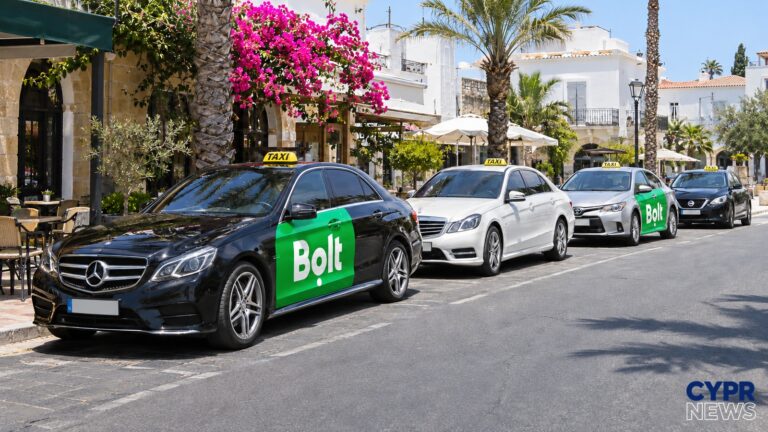
Cyprus has the highest share of people using a private motor vehicle as their primary mode of transport in the European Union. In 2025, this figure was 89.8% of residents aged 16 and over. In Poland, the figure was 66.2%, and the EU average was 61.7%.
A much larger difference is seen in public transport. In Cyprus, it was the primary mode of transport for 5.5% of respondents, compared to 20.3% in Poland. The island also boasts a small percentage of people who primarily choose walking or cycling.
The result of 89.8% includes passenger cars, motorcycles and mopeds combinedThe car itself was the main means of transport for 89.4% of people, and a motorcycle or moped for 0.4%.
The survey doesn't focus solely on the number of registered vehicles or drivers. It describes the most common mode of transportation used in the last twelve months—both to work or school, as well as for other daily activities, such as shopping.
This doesn't mean that nearly nine out of ten people drive, nor that all their journeys are made by car. Instead, it demonstrates how heavily daily mobility relies on private vehicles.
Poland also exceeds the EU average for private motor vehicle use. However, it is separated from Cyprus by 23.6 percentage points.
In terms of public transport, Poland is slightly above the EU average. On the island, the share of this form of transport is significantly lower.
Eurostat data for 2025
89,8%
Car, motorcycle or moped
5,5% — public transport
3,0% — on foot
0,5% - bicycle
66,2%
Car, motorcycle or moped
20,3% — public transport
7,9% — on foot
4,4% - bicycle
61,7%
Car, motorcycle or moped
19,4% — public transport
11,4% — on foot
6,0% - bicycle
People aged 16 and over, by primary mode of transport. The list does not include a separate category for homebound people. Results are subject to rounding.
In Poland, the car itself indicated 65.9 percent of people, and a motorcycle or moped — 0.3 percent. The bicycle was the main means of transport for 4.4 percent of respondents, compared to only 0.5 percent in Cyprus.
The results provide important context for discussions about congested streets. If the vast majority of residents rely on private vehicles for daily travel, changing traffic patterns is just one possible course of action.
On CYPRNews, we've covered ideas like staggered start times, better use of school buses, and remote working. Each of these ideas addresses a different portion of travel demand.
However, the Eurostat study itself doesn't explain why a person chooses a car. It doesn't determine whether it's convenience, lack of connectivity, travel time, family responsibilities, or other factors that determine the choice.
Across the EU, public transport was the main mode of travel for 31.4% of city dwellersIn smaller towns and suburbs, the percentage was 12.9 percent, and in rural areas — 10 percent.
Private motor vehicles were indicated by 47.7% of urban residents and as many as 74.9% of rural residents.
These figures are for the EU as a whole. They shouldn't be attributed directly to Cypriot towns and villages, but they do illustrate why the national average doesn't describe all local travel conditions.
People at risk of poverty or social exclusion were more likely to indicate public transport and walking as their primary means of transport.
In this group, public transport was mainly used by 27 percent of people, compared to 17.4 percent among others. A private motor vehicle was the main option for 45.5 percent and 65.8 percent, respectively.
These results also apply to the entire EU. However, they demonstrate that transport accessibility must also be considered from the perspective of people for whom maintaining a car can be a significant burden.
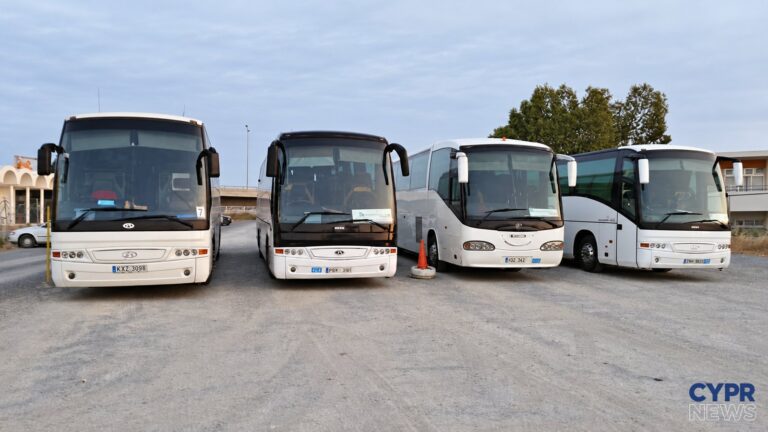
In Cyprus, public transport remains the primary mode of transport for a small proportion of respondents. This doesn't mean that the rest never take the bus—the indicator reflects the primary mode of travel, not every occasional use.
For a specific route, it's worth checking available departures, return times, and any transfers. This will help you determine whether the bus meets your daily needs.
The study shows a clear gap between Cyprus and Poland: private vehicles dominate the island significantly, while public transport, walking, and cycling have a smaller share. Whether these proportions change will depend, among other factors, on the availability of solutions enabling efficient commuting to work, school, and everyday services.
Source: Eurostat, EU-SILC 2025, dataset ilc_enevt_01a.